The Renault Clio remains a heavyweight name in the small-car class. In E-Tech full hybrid 160 form it tries to be more than a city runabout: modern, efficient, well connected and mature enough to attract buyers who might once have jumped straight to a compact. After a few kilometres behind the wheel, it is clear Renault has got a lot right.
How the Clio E-Tech full hybrid 160 looks
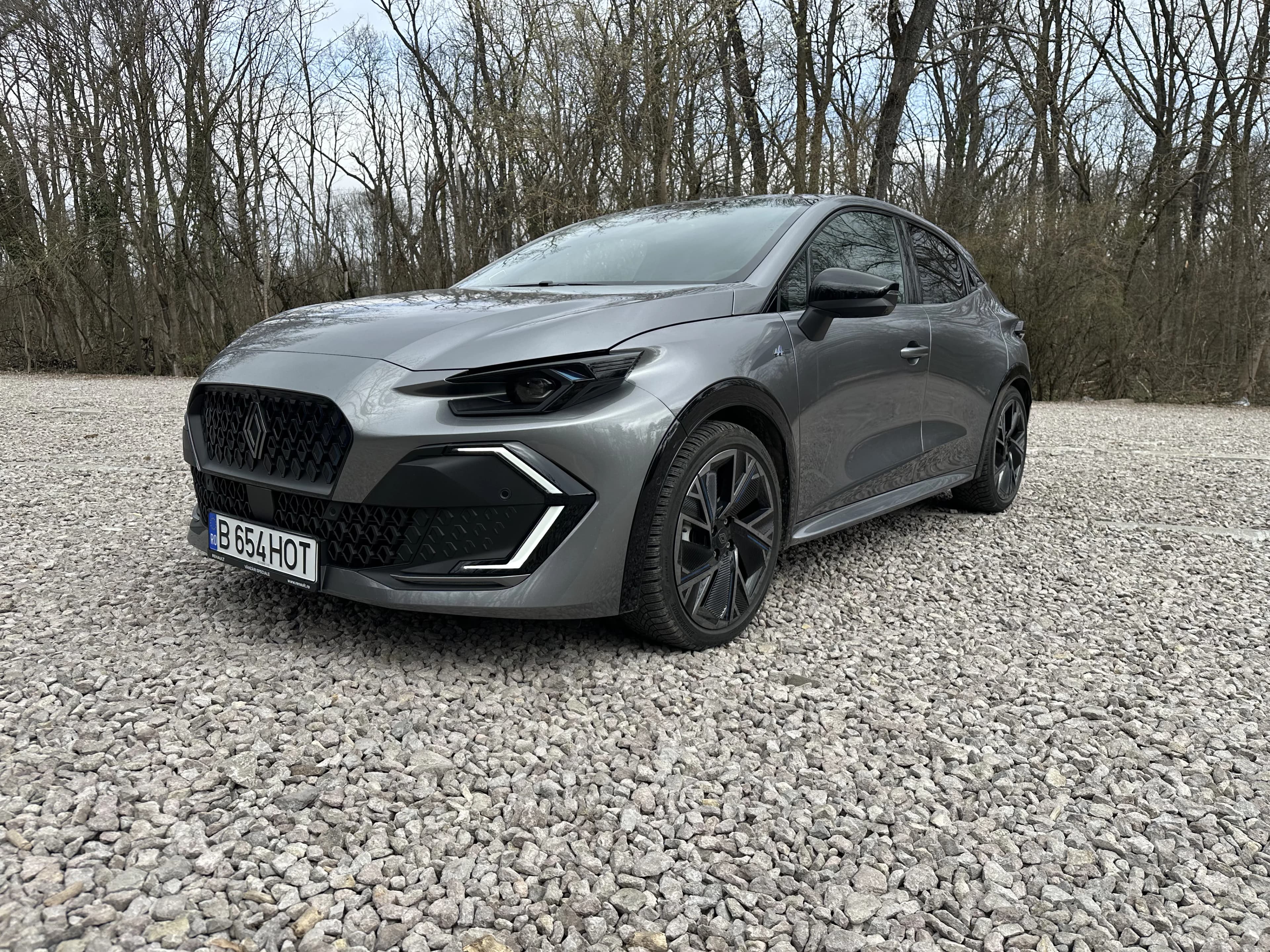
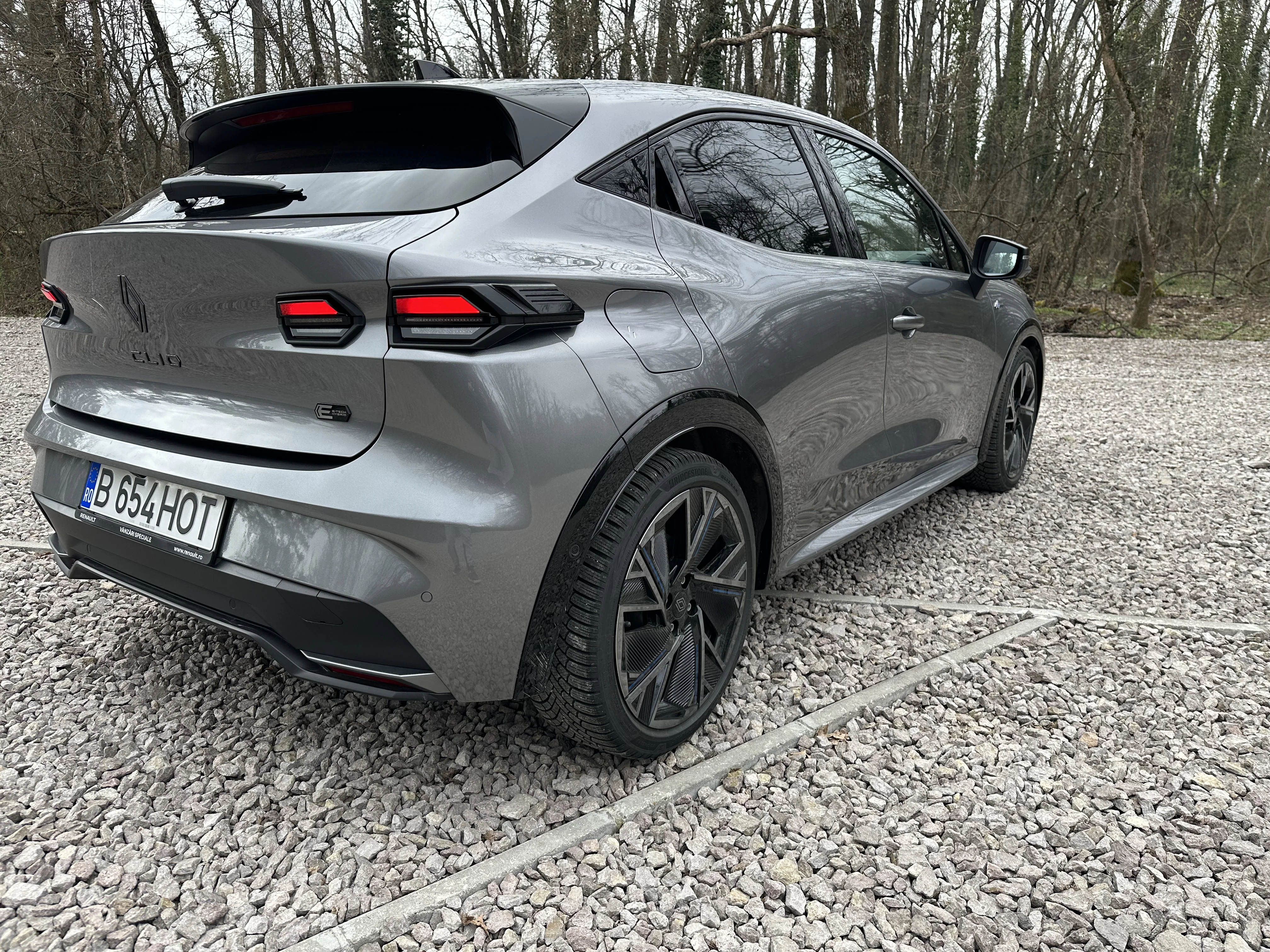
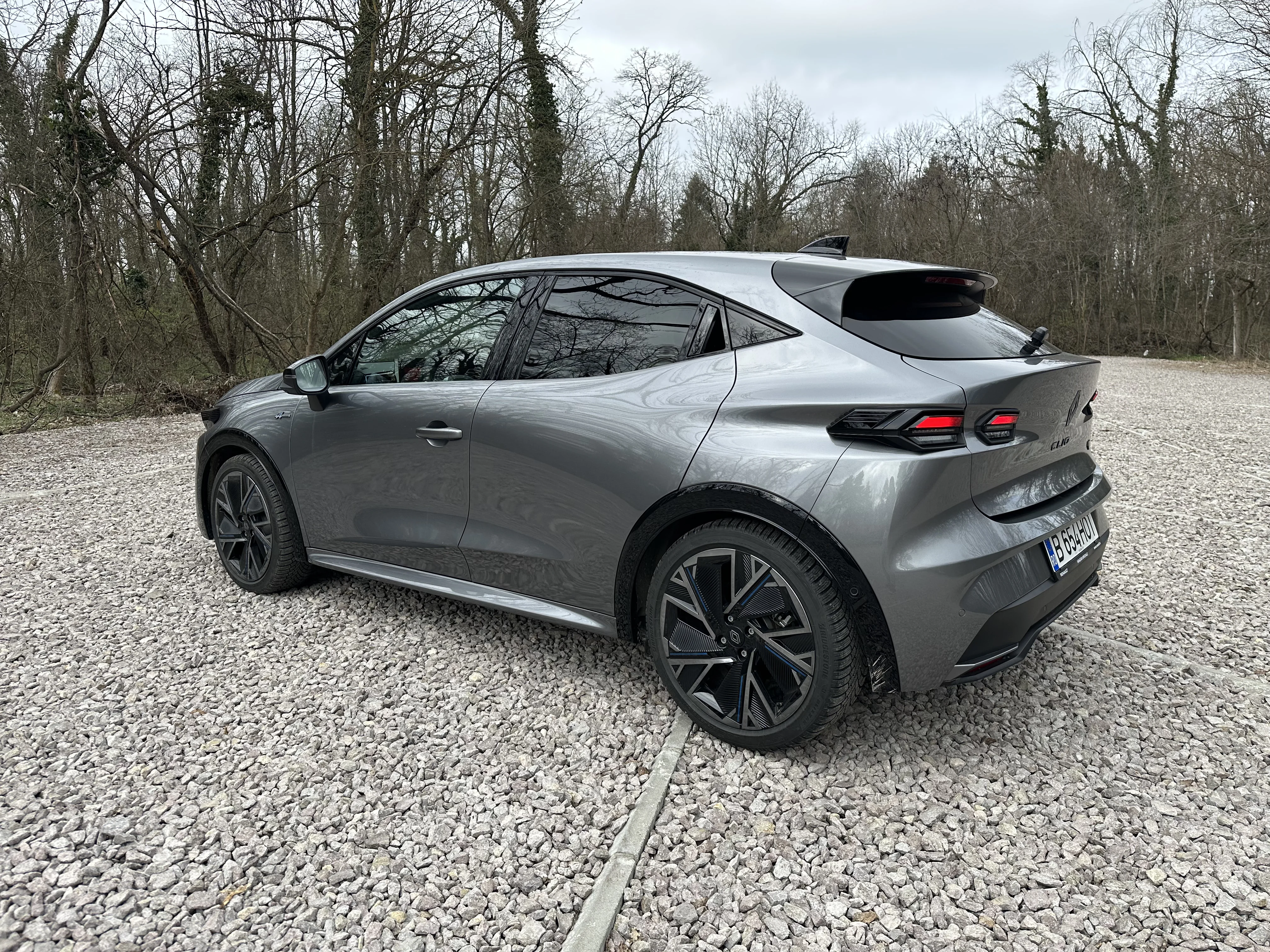
Design is the first big asset. The front end has more character, the light signature makes it easy to recognise, and overall proportions are balanced. It does not pretend to be something else; it simply looks like a more grown-up, better resolved supermini than many rivals. Well-specified versions with large wheels and styling details almost feel premium for the class. It photographs well and works in traffic without gimmicks — for us, design is one of the main reasons the car draws attention immediately.
Powertrain and key specifications
Under the bonnet sits the E-Tech full hybrid 160 system with 116 kW / 160 hp, sent through Renault’s E-Tech multimode automatic gearbox. Renault quotes 3.9–4.1 l/100 km combined WLTP, 89 g/km CO₂, up to 1,000 km total range and a boot of up to 391 litres.
On paper the package is convincing: a small hatch with enough performance for mixed use — commuting, city and national roads. Renault also lists up to 29 driver-assistance systems and the openR link multimedia stack with integrated Google services.
On the road in town and beyond
At low speeds the Clio does what a modern full hybrid should: it pulls away smoothly, feels light, and transitions between electric and petrol propulsion are mostly well judged. The city is its natural habitat. Steering is easy, dimensions make parking simple, and the overall impression is of an efficient daily car.
On faster roads it stays competent and stable enough, with decent mid-range response for normal overtakes. It is not sporty and does not pretend to be, but it has enough energy for relaxed to moderate driving. The main reservation appears when you ask for more: under hard acceleration or when the petrol engine works hard, engine noise enters the cabin more clearly than the rest of the experience suggests.
That is the biggest annoyance in our test. We like the technology, the look and the modern product feel, but the engine is not always as refined as the interior promises. It is not dramatic, yet it is enough to notice the gap between a polished cabin and a mechanical soundtrack that cuts into the mature impression.
Technology and interior — a strong point
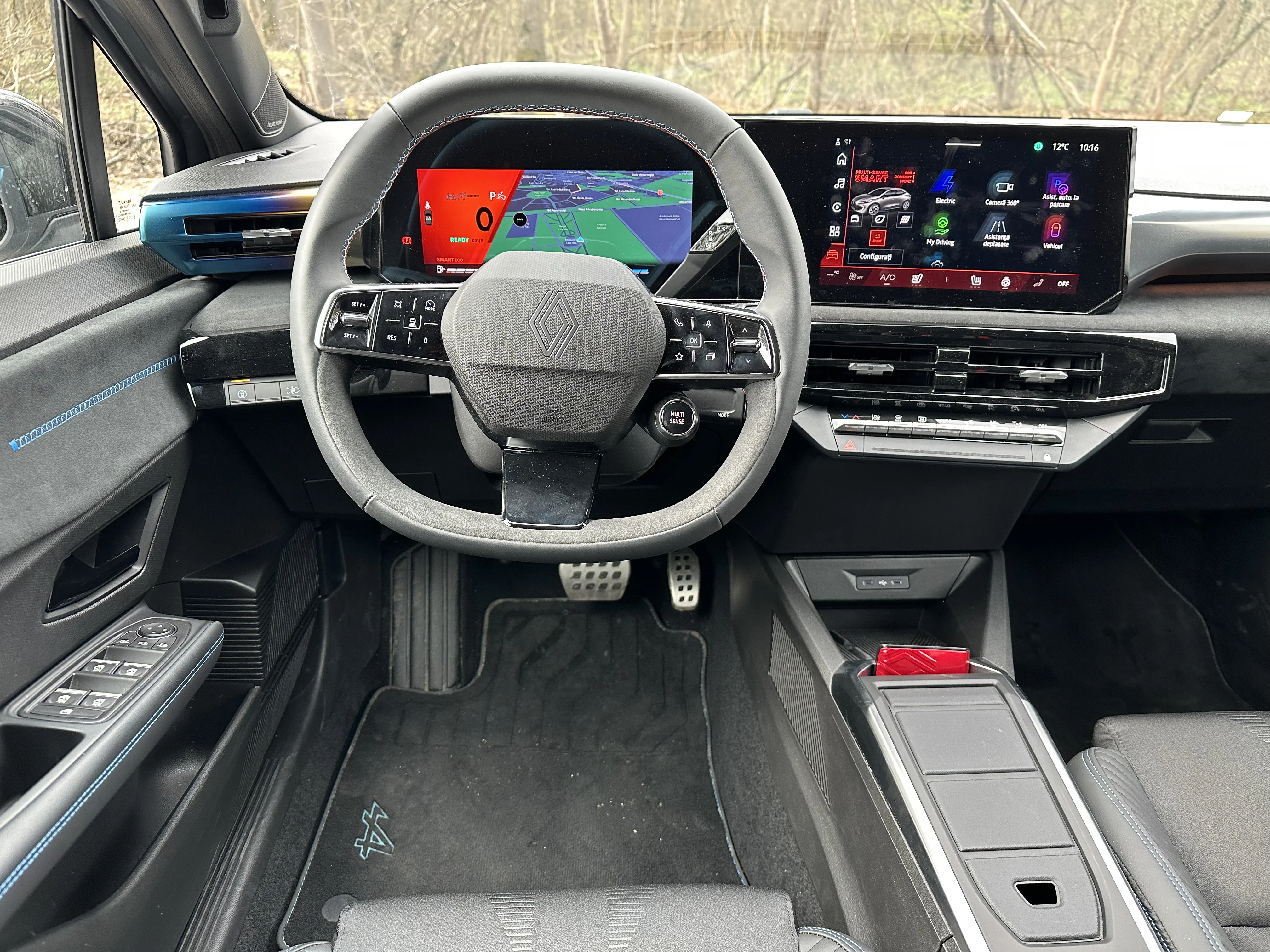
If one area can win buyers quickly, it is technology. The Clio can have two screens up to 10 inches, openR link, Google integration and a modern, well-executed interface. For many customers — especially those coming from older or budget cars — it will feel surprisingly well equipped. Layout is clear enough, and the mix of design and digital kit is among its best arguments.
Pricing in Romania
In Romania, Renault Clio E-Tech full hybrid 160 lists from €22,750. Renault’s official promotion for the Clio evolution full hybrid E-Tech 160 temporarily cuts the entry price to €20,250 incl. VAT.
That positions it aggressively in the segment, especially given the technology level and the fact it is a non-plug-in full hybrid.
Clio hybrid vs direct rivals in Romania
Renault Clio hybrid vs Toyota Yaris hybrid
The Toyota Yaris hybrid 116 hp starts at €22,309.98 in Romania; the 130 hp Exclusive reaches €28,351.51. At list price, Clio E-Tech 160 sits very close to the 116 hp Yaris but feels more mature, offers a larger boot and a “bigger car” daily impression.
Yaris still brings Toyota’s hybrid reputation, known efficiency and long-term peace of mind. Clio counters with more expressive design, a more striking interior and a digital experience many will read as more current.
Renault Clio hybrid vs Peugeot 208 hybrid
The Peugeot 208 hybrid 110 e-DCS6 starts at €24,650; the 145 e-DCS6 from €27,600. Clio E-Tech 160 at €22,750 list — or €20,250 on promo — undercuts 208 hybrid while staying modern on paper.
208 leads on exterior flair and i-Cockpit atmosphere; Clio feels more balanced as an overall package for the Romanian market, with a sharper entry price, practical boot and multimedia that many will find easier to live with day to day.
Where Clio wins and loses
Against direct rivals, Clio E-Tech 160 scores strongly on exterior design, in-cabin technology, equipment-for-money and practicality. It feels like a lot of car for the asking price — critical in a segment where every few hundred euros matter.
On acoustic refinement, it is not the class leader. Rivals can feel better damped under certain acceleration and extra-urban loads. That may not rule it out, but it is worth checking carefully on a test drive if you are sensitive to NVH.
Verdict
The Renault Clio E-Tech full hybrid 160 is one of the most interesting small hatchbacks in 2026. It looks good, packs a lot of technology for the class, promises low running costs and feels like a mature product tuned to real daily use. Strengths are clear: design, technology and a modern, well thought-out everyday car.
The caveat is equally direct: petrol-engine noise does not always match the refinement suggested elsewhere. If you can live with that, Clio E-Tech 160 remains a very solid choice. If you prioritise isolation and mechanical polish, that is the chapter to probe hardest on a test drive.
For anyone wanting a hybrid supermini with strong looks, current tech and competitive pricing in Romania, the Clio belongs on the shortlist.