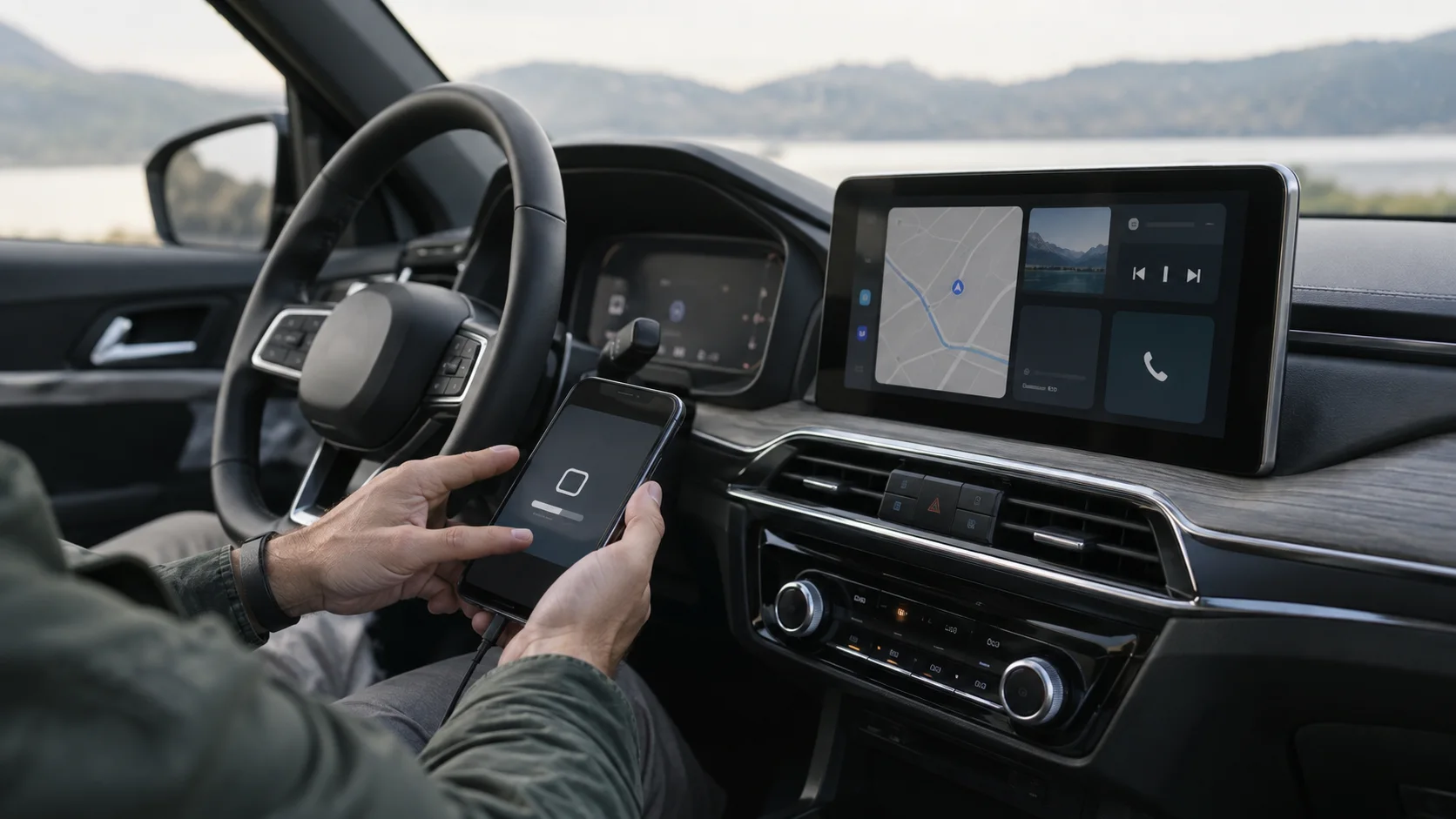
Connected-car data collection is extensive and often continuous, encompassing location, driving behaviour, and vehicle status. Drivers have limited direct control over this data flow, with most interactions managed through manufacturer agreements and regulatory frameworks.
Data collection is integral to modern vehicle safety and function
Modern vehicles generate a substantial volume of data, much of which is transmitted off-board. This data supports a range of functions, from infotainment and navigation to critical safety systems. For instance, the EU General Safety Regulation mandates certain advanced driver assistance systems (ADAS) in new vehicles, which rely on sensor data processing. These systems, such as lane-keeping assist and automatic emergency braking, continuously monitor the vehicle's surroundings and driver inputs. Similarly, UNECE Regulation No. 171 outlines requirements for driver-control assistance systems, which also depend on real-time data acquisition.
Beyond ADAS, connected services can include remote diagnostics, over-the-air software updates, and predictive maintenance alerts. These services often require the vehicle to transmit operational data, component status, and fault codes to the manufacturer or designated service providers. While these features enhance convenience and potentially reduce downtime, they inherently involve the collection and transmission of vehicle-specific information.
Emergency call systems transmit location and vehicle data
A specific example of mandated data transmission is the eCall system. Since 2018, all new type-approved cars and light vans in the EU must be equipped with 112 eCall. In the event of a serious accident, eCall automatically dials the European emergency number 112, establishing an audio link with the relevant Public Safety Answering Point (PSAP). Crucially, it also transmits a Minimum Set of Data (MSD). This MSD includes the vehicle's precise location, the time of the incident, the vehicle identification number (VIN), and the type of fuel used. This data is designed to enable emergency services to respond more quickly and effectively.
The eCall system is activated automatically by crash sensors or manually by occupants. While the system is dormant during normal driving, it continuously processes location data to ensure it can transmit accurate coordinates if an accident occurs. The European Commission states that the eCall system only transmits data in the event of an accident and does not track vehicle movements under normal circumstances. However, the underlying capability to determine location is always present.
Driver assistance systems use sensor data for safety protocols
Euro NCAP's Safety Assist protocols evaluate the effectiveness of various ADAS, including speed assistance, lane support, and driver monitoring systems. These systems rely on an array of sensors—cameras, radar, lidar, and ultrasonic—to gather information about the vehicle's environment and the driver's state. For example, a lane support system uses camera data to detect lane markings and steering angle sensors to monitor driver input. A driver monitoring system might use an infrared camera to track eye gaze and head position.
The data collected by these systems is primarily processed on-board the vehicle to enable real-time safety interventions. However, some manufacturers may collect aggregated or anonymised data from these systems for research and development purposes, such as improving algorithm performance or identifying common driving scenarios. The extent of this off-board transmission and its specific purpose are typically detailed in the vehicle's privacy policy or terms of service.
Data processing can occur on-board or off-board the vehicle
The distinction between on-board and off-board data processing is critical for understanding privacy implications. On-board processing means data is analysed within the vehicle's own computing systems, without being transmitted externally. This is common for immediate safety functions where latency is unacceptable, such as airbag deployment or real-time ADAS interventions.
Off-board processing involves transmitting data to external servers, typically operated by the vehicle manufacturer, a third-party service provider, or a telematics company. This is necessary for services like remote diagnostics, navigation updates, or subscription-based features. While off-board processing enables advanced functionalities and continuous service improvements, it raises questions about data ownership, storage, and access by third parties. Drivers should be aware that data transmitted off-board may be subject to different privacy regulations and corporate policies depending on where it is stored and processed.
Verifying data practices requires consulting official documentation
Drivers seeking to understand the specific data collection and sharing practices of their vehicle should consult the official documentation provided by the manufacturer. The vehicle's owner's manual is a primary resource, often containing sections dedicated to connected services, privacy, and data protection. This manual should outline what data is collected, for what purpose, and whether it is transmitted off-board.
Beyond the owner's manual, manufacturers typically publish detailed privacy policies on their official websites. These policies provide a comprehensive overview of data handling practices, including information on data retention periods, security measures, and how drivers can exercise their data protection rights, such as requesting access to or deletion of their personal data. Some manufacturers also offer in-vehicle menus or companion smartphone applications that allow drivers to manage certain privacy settings, such as opting out of specific data collection for non-essential services. However, critical safety systems like eCall typically cannot be disabled due to regulatory mandates.
When purchasing a vehicle, prospective buyers should review these documents carefully. For used vehicles, it is advisable to check the manufacturer's current privacy policy, as these can be updated over time. Understanding these practices enables drivers to make informed decisions about the use of connected features and their personal data.