A blank display in a modern car is no longer necessarily an infotainment inconvenience. The same electronic architecture may carry the rearview-camera image, speedometer, warning lamps and information from driver-assistance systems. When one of those mandatory functions disappears, regulators can treat the failure as a safety defect even if the vehicle still starts and drives.
US National Highway Traffic Safety Administration records from 2026 show the scale. Two Ford campaigns alone cover 1,739,260 vehicles with a missing or incorrectly displayed rearview image. Hyundai recalled 96,310 Tucson, Tucson Hybrid and Tucson Plug-in Hybrid vehicles because the instrument display could fail. A separate Genesis campaign lists 83,877 cars, while General Motors reported 276,879 Chevrolet Malibu vehicles with cameras that could produce a blank or distorted image.
Those figures apply to the United States. They do not prove that equivalent European vehicles, software versions or production batches are included.
Why a display fault becomes a safety recall
US rule FMVSS 111 requires a compliant view of the area behind a passenger vehicle while it is reversing. The rule does not prescribe one particular centre screen, but manufacturers commonly route the camera feed through the infotainment display. A working camera is therefore not sufficient if the software, control module or screen cannot present its image correctly.
Ford recalls 26V123 and 26V124 illustrate two different paths to the same loss of information. Recall 26V123 covers selected Escape, Explorer, Lincoln Aviator and Corsair vehicles whose centre display may flip or invert the rearview picture. Recall 26V124 concerns Bronco and Edge vehicles in which the Accessory Protocol Interface Module may overheat and shut down, preventing the camera image from appearing. Ford's remedy for 26V124 is a free dealer or over-the-air software update.
Digital instrument clusters fall under a related requirement. NHTSA says the affected Hyundai Tucson display may fail to show critical information such as vehicle speed and warning lights, creating a non-compliance with FMVSS 101. Hyundai's remedy can also be installed over the air or by a dealer. The Genesis 26V019 record describes a software error across several G80, GV60, GV70 and GV80 derivatives and likewise identifies the instrument-panel display as the affected component.
Similar symptom, different underlying fault
The driver may see the same black rectangle, but the repair depends on the root cause. Ford's Bronco and Edge campaign addresses module behaviour with software. General Motors' Chevrolet Malibu report instead identifies inadequate bonding in a rear camera supplied by Sharp. Moisture can breach the housing and damage electrical components, so the dealer remedy is camera replacement rather than a downloadable patch.
Honda report 26V306 covers 59,887 Honda Prologue and Acura ZDX vehicles. Improper preparation of the camera housing's bonding surface could allow adhesive separation, water ingress and corrosion. The image may become blurry, distorted or black. Honda's stated remedy is an improved physical camera assembly.
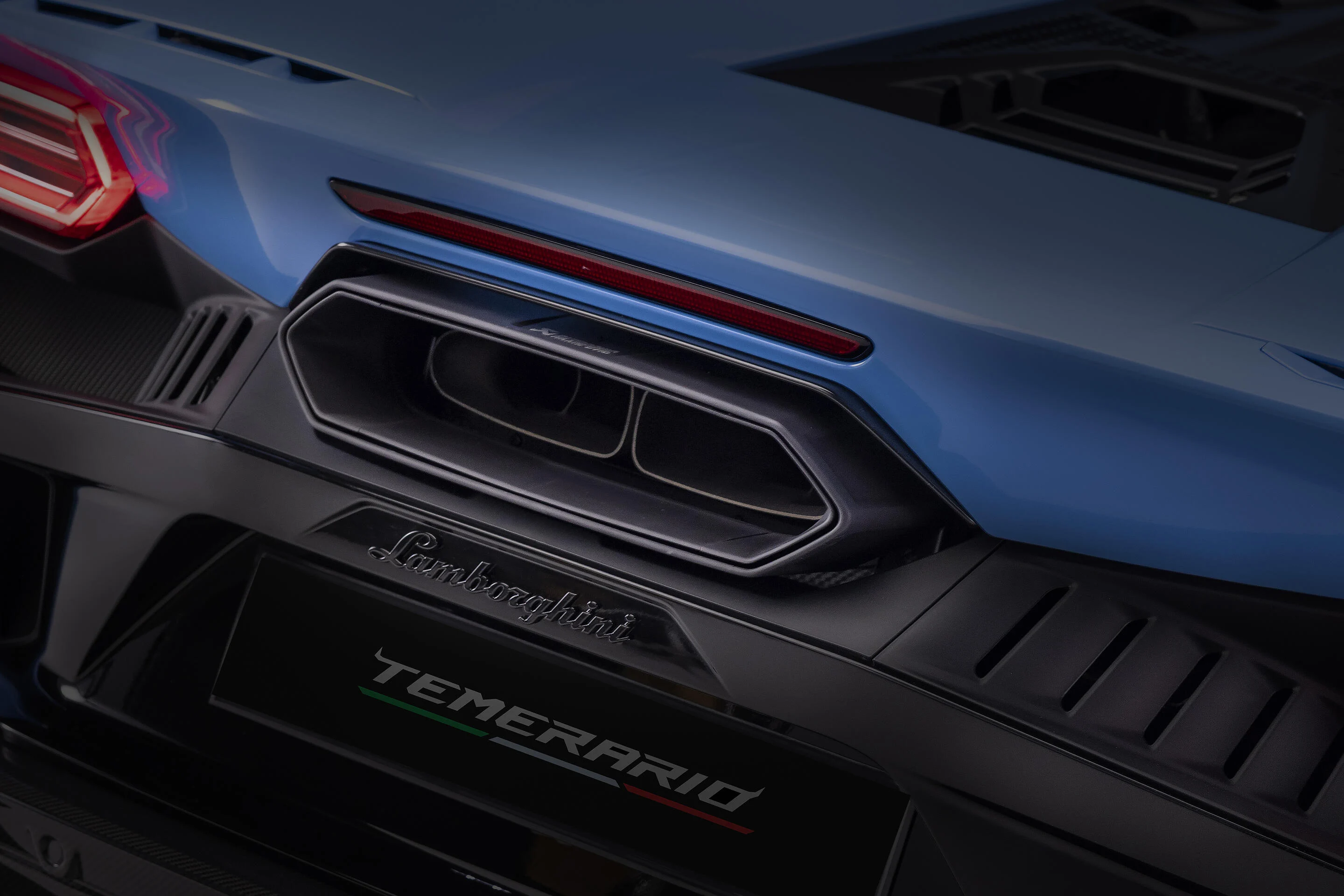
At the opposite end of the volume scale, Lamborghini campaign 26V053 covers seven cars. Its report says a specific software and vehicle configuration could cause the electronic control unit to leave the camera-display logic. No field complaints, crashes or injuries had been reported in the chronology. The campaign nevertheless requires free software because compliance does not depend on how rare or expensive a car is.
OTA delivery does not make the recall optional
An over-the-air update can remove the need for a workshop appointment, but it does not change the legal character of the defect. When a safety function or regulatory requirement is affected, the manufacturer must define the population, notify owners and track completion. NHTSA tells US owners that safety recall remedies are free.
OTA also has clear limits. Water intrusion, a failed connector or damaged camera needs hardware. Even a software campaign may require a dealer if the car cannot accept the package, has insufficient low-voltage battery capacity or needs an intermediate software version. Owners should follow the campaign instructions rather than assume that every connected car has already corrected itself.
Centralisation creates an efficiency advantage and a larger potential failure domain. One processor can coordinate navigation, audio, cameras and vehicle settings, reducing separate hardware. A defect in that shared layer can also remove several functions at once. The safety question is therefore not the diagonal size of a screen but which required information depends on the same module, power supply and software path.
What this means outside the US
NHTSA campaigns are market-specific. A European car with the same badge may use a different control unit, supplier, homologation package or software branch. UN Regulation No. 158, published in the EU legal framework, sets requirements for reversing-motion devices and driver awareness behind the vehicle. European recall populations are communicated through manufacturers, national authorities and the EU Safety Gate system.
Owners should check by VIN, not by headline. A model year and name are not enough to determine inclusion, because campaigns are defined by production dates, plants, components and software. For an imported US vehicle, NHTSA's VIN tool is relevant, but a brand representative should still confirm parts and remedy availability in the country where the vehicle is used.
If a cluster goes dark while driving, finding a safe place to stop matters more than experimenting with resets. If a rear camera feed is unavailable, the driver must directly check the surroundings before reversing; a camera never removes that responsibility. Recording the time, conditions and software version can help diagnosis, but only after the vehicle is safely stationary.
For used-car buyers, a completed recall record is stronger evidence than a screen that happens to work during a short viewing. Intermittent faults may appear after heat soak, at start-up or after a particular sequence of commands. A VIN lookup and workshop documentation show whether the manufacturer-defined remedy was actually applied.
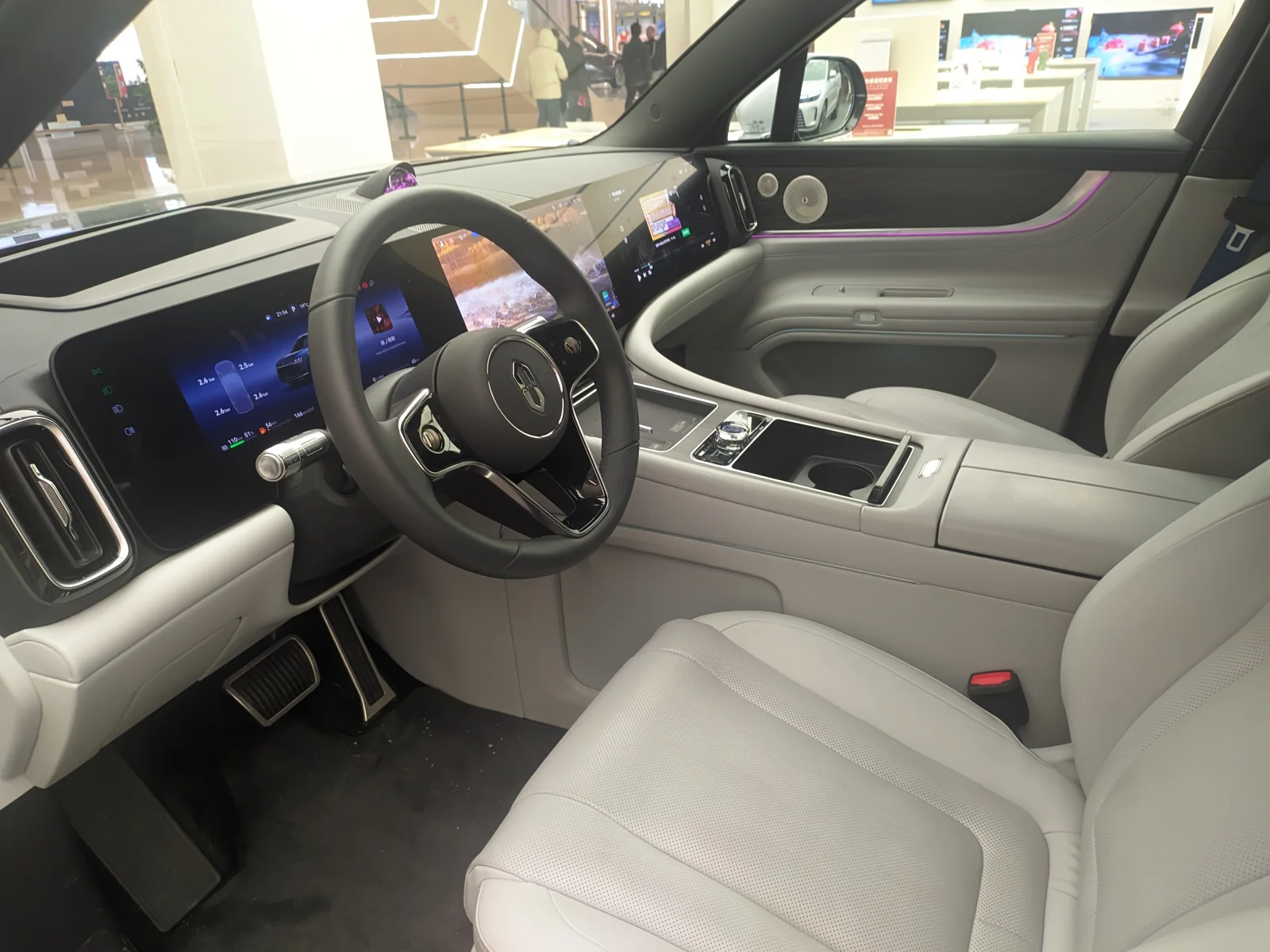
Image: CNHowey/Wikimedia Commons, CC0 public-domain dedication. Converted to WebP; the AITO M9 cabin is illustrative and is not identified as part of the cited recalls.