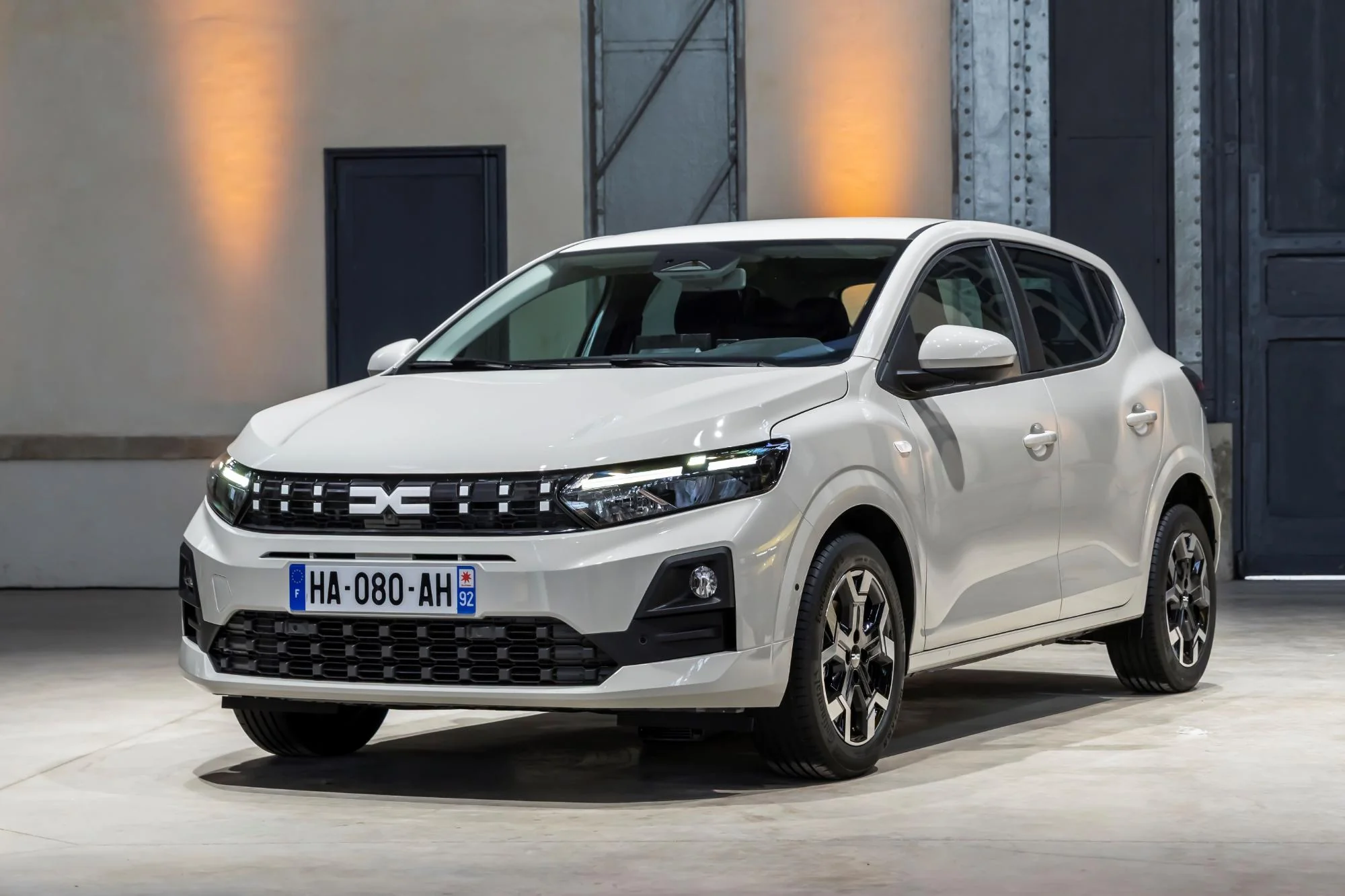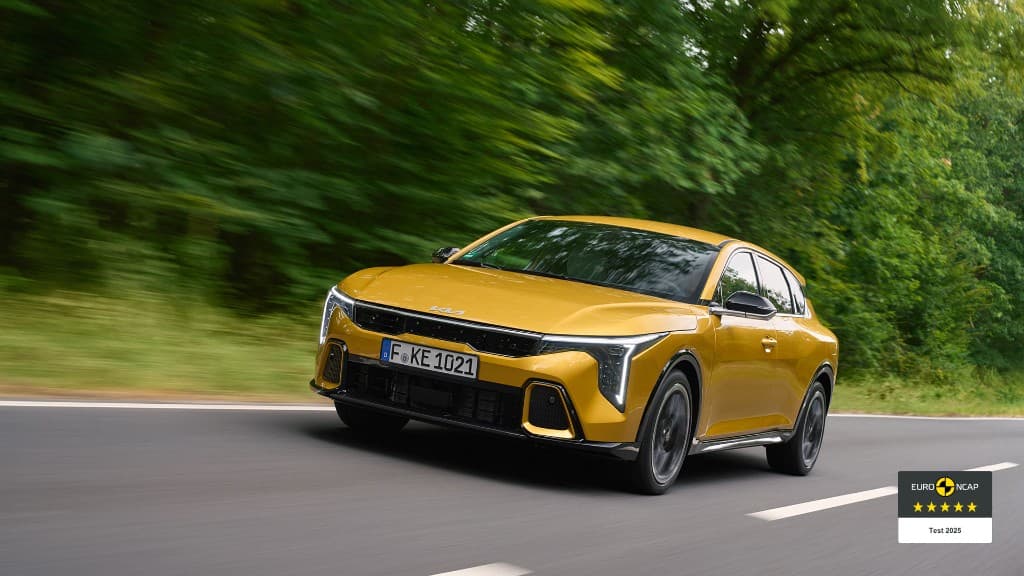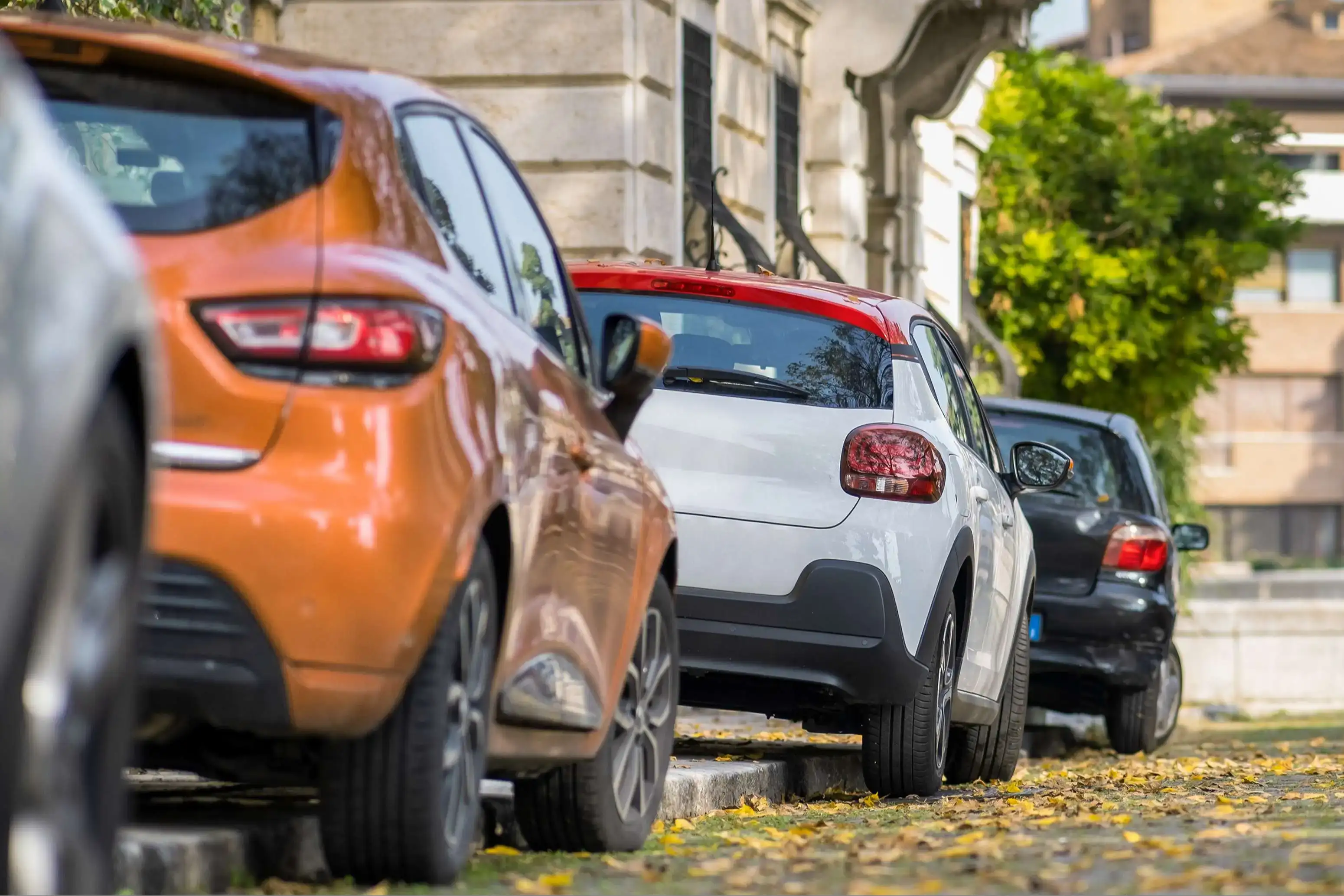
The European market grew moderately in July, but the picture varied widely from one country to another. Illustrative image.
The European car market grew in July 2026. Romania went the other way
New passenger-car registrations in Europe rose by about 3.7% in July 2026, to around 1.1 million units, according to preliminary estimates for the European Union, the United Kingdom and the EFTA states. The gain was slower than in June, when the market had risen by about 13%, but it confirms that demand for electrified cars is holding up.
The European result contrasts with Romania. The local market fell by more than 28% compared with July 2025, after an unusually large increase in June. The gap shows why a continental average does not describe each country’s situation: incentives, tax rules, fleet deliveries and the calendar of national programmes can strongly change a single month’s result.
Europe slows after a very strong June
In June 2026, the market made up of the EU, the United Kingdom and the EFTA countries reached about 1.4 million new passenger cars, almost 13% above the same month of 2025. In the first half of the year, growth had been about 6%.
July kept a positive sign, but at a pace closer to the evolution of the European economy. The 3.7% estimate is based on preliminary national results and may be revised after all markets are compiled.
The five largest markets had different trajectories:
- Germany registered about 268,100 cars, 1% more than in July 2025;
- the United Kingdom rose 11.7%, to 156,571 units;
- France advanced by about 9%, to 126,808 units;
- Italy grew by almost 4%, to around 124,000 units;
- Spain stayed in positive territory, and after seven months had 749,646 registrations, up 5.8%.
British growth had a significant influence on the regional result. The United Kingdom is no longer part of the European Union, but it is included in trade reports that describe the wider European car market.
Electrics supported the increase
In the 12 EU states that had published complete data by the time of the European Alternative Fuels Observatory update, registrations of fully electric cars rose 41.8% in July, to 202,597 units. The BEV share reached 26.3% in that group of countries.
This share does not represent the entire European Union, because 15 states still had data updated only to June. The trend is clear, however. Germany registered 78,609 electrics in July, 61.7% more than in the same month of 2025, and France reported an increase of more than 120%.
In the United Kingdom, electric cars rose 44.5%, to 43,106 units and a monthly share of 27.5%. Plug-in hybrids grew 33.6%, while petrol cars fell 5.2% and diesels 17.7%.
The data confirm the first-half trend. In the EU, pure electrics accounted for 20.7% of new registrations, plug-in hybrids 9.8%, and hybrids without external charging 37.3%. Petrol and diesel together had fallen to 29.7%.
Chinese models enter the volume zone
The rise of Chinese brands is no longer limited to expensive electric cars or small markets. In Dataforce’s European model ranking, the BYD Seal U reached 10,007 registrations in July, 60.9% above the previous year. It occupied 21st place in the overall ranking, ahead of models such as the Audi A3, Nissan Qashqai and BMW X1.
The BYD Atto 2 recorded 7,679 units in July, and the MG ZS reached 8,497. The Seal U is offered in Europe both as an electric and in the plug-in hybrid DM-i version; its success cannot be attributed to a single technology.
After the first seven months, the Seal U had 58,074 units and growth of 48.4%. The MG ZS had reached 74,264, and the MG HS 49,246. These volumes put pressure on established European and Asian brands, especially in the compact and mid-size SUV segments.
The extra tariffs imposed by the EU on electric cars manufactured in China do not apply in the same way to plug-in hybrid versions. Chinese manufacturers can adjust their ranges towards PHEVs, in parallel with developing European plants.
Volkswagen remains strong, but the contest is shifting
The model ranking shows that European brands still control the upper part of the market. The Dacia Sandero was July’s leader, with 19,709 units, followed by the Volkswagen Golf, with 17,655, and the Volkswagen T-Roc, with 16,952.
Volkswagen had four models in the month’s top ten: Golf, T-Roc, Tiguan and, through the Škoda brand, Octavia. Still, a growing share of the increase comes from electrified segments, where the competition includes Tesla, BYD, MG, Renault, Škoda and BMW.
The Tesla Model Y reached 115,957 units after seven months, 55.2% more than in the same period of 2025. The electric model climbed to fifth place in the overall European ranking, between the Renault Clio and the Peugeot 208.
Romania lost more than 28% in July
APIA counted 11,633 new passenger cars registered in Romania in July, 28.2% fewer than in the same month of 2025. ACAROM, which publishes its own preliminary series based on DGPCI data, indicated 11,740 units and a drop of 28.25%.
The small difference in volumes comes from methodology and the moment the data were extracted. For year-on-year comparisons, the same series must be used; the total from one organisation should not be mixed with the percentage from the other.
In the APIA ranking, Dacia had the month’s top three models:
- Dacia Logan — 1,260 units;
- Dacia Sandero — 896 units;
- Dacia Duster — 725 units.
Dacia totalled 3,286 cars, followed by Toyota with 1,238 and Škoda with 802. BYD entered fifth place among brands, with 672 units, and the Seal U reached the local market’s top ten models.
Why Romania does not follow the European monthly average
The Romanian market is smaller and, as a result, more volatile. A large fleet delivery, a change in Rabla conditions or a delay in registering a few thousand cars can quickly turn growth into a decline.
June 2026 is an example. ACAROM then reported 16,120 new passenger cars, 51.9% above June 2025. A month later, volume returned below 12,000 units. Taken separately, the two percentages suggest extreme swings in demand; together, they point mainly to an irregular calendar of deliveries and registrations.
After the first seven months, the ACAROM series shows 76,590 new cars, 11% fewer than in 2025. APIA indicates a cumulative drop of 5.5%, a difference that again confirms that the two associations’ databases and definitions are not identical.
What comes next for the car market
The July result does not guarantee that Europe will keep the same pace until the end of the year. Demand depends on interest rates, national support schemes, energy prices and manufacturers’ ability to deliver new models.
The structural direction is more stable than the monthly variation: electrics and hybrids are gaining share, and Chinese brands are entering volume segments. For Romania, the challenge is for this wider offer to turn into sales without excessive dependence on the calendar of a single incentive programme.
Sources
- Dataforce — report on the car market in 30 European countries
- ACEA — EU registrations in the first half of 2026
- European Alternative Fuels Observatory — preliminary data for July 2026
- SMMT — United Kingdom registrations
- APIA — monthly releases on the Romanian car market
- ACAROM — statistics on registrations in Romania