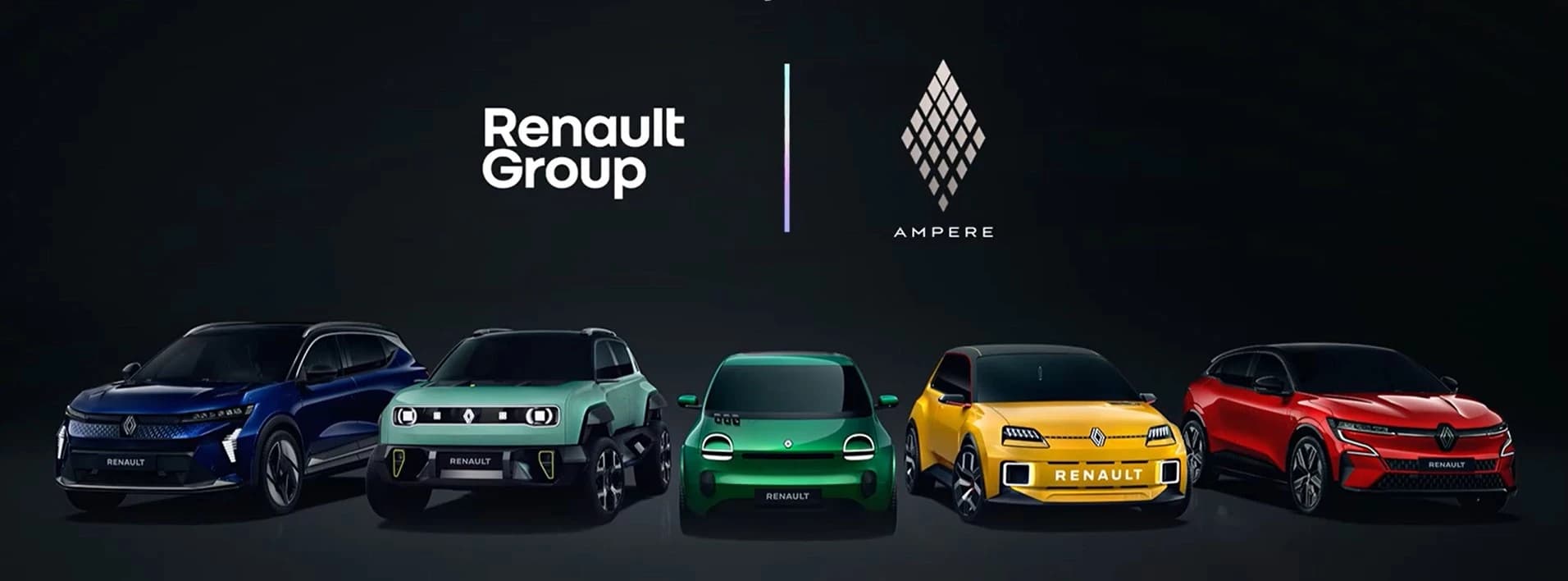
Renault wants developing a new car in about two years to become the rule, not the exception. The French group is trying to close the gap with Chinese manufacturers, which launch models and updates in far less time than traditional European carmakers.
The strategy rests on the Ampere China Development Center (ACDC) in Shanghai, on work with local suppliers, and on simplifying internal processes in Europe. Renault is not moving all of its engineering to China. It uses that ecosystem for components and stages where speed and cost matter most.
From four or five years to about two
Developing a car generation used to take 48 to 60 months. For new projects, Renault wants the standard cycle to fall to around 24 months, and the initial investment needed for a model to drop by as much as 40% compared with previous generations.
That target is part of the futuREady industrial plan. In its 2026 documents, Renault Group says it wants to close the gap with Chinese manufacturers in three areas: innovation, cost and speed of execution.
Shorter development is not only faster design. The company is trying to take decisions with fewer approval layers, reuse more already validated components, and work earlier with suppliers that can deliver complete systems.
The Shanghai centre connects Renault to Chinese suppliers
ACDC was set up in 2024 to put Renault and Ampere teams directly into China's electric-vehicle ecosystem. The centre's role is to identify technologies, select partners and coordinate projects that will also be sold outside China.
Renault describes the Shanghai centre as a link between its own engineering and local suppliers of batteries, electric motors, electronics and software. Intellectual property treated as strategic, and product decisions, remain under the French group's control.
One example is the introduction of LFP battery chemistry in the Ampere range. The company says integrating the new technology, alongside existing NMC batteries, took about 18 months. LFP chemistry cuts cost and avoids nickel and cobalt, though energy density is generally lower.
The new Twingo is the flagship project
The Renault Twingo E-Tech electric is the main example of the new working method. The car was developed in less than two years, with a European price target below €20,000 before any subsidies.
Twingo is built in Novo Mesto, Slovenia, but part of the development and several components come from the Chinese ecosystem. That split shows the difference between where a part is designed or made and the country where the finished car is assembled.
According to reporting by Automotive News Europe, the Shanghai centre is also used for other projects aimed at international markets. South China Morning Post reported that the ACDC team numbers about 200 people and that Renault took a Dacia project to production form in 16 months, the shortest interval in the group's history.
What Renault gains and what it risks
The advantages are easy to quantify: models launched sooner, lower initial investment, and access to electric components that already exist at scale. For European customers, the result could be a broader offer and prices closer to those of Chinese brands.
The strategy also brings risks. Renault has to keep control of software, data and technologies that differentiate the brand, meet European safety and data-protection rules, and avoid over-dependence on a small number of suppliers or a single region.
Faster development does not remove the validation and type-approval steps required in the European Union. A car conceived in 24 months still has to meet the same safety and durability standards as a project run on a longer cycle. The real difference will be how Renault reorganises processes, not whether it skips testing.
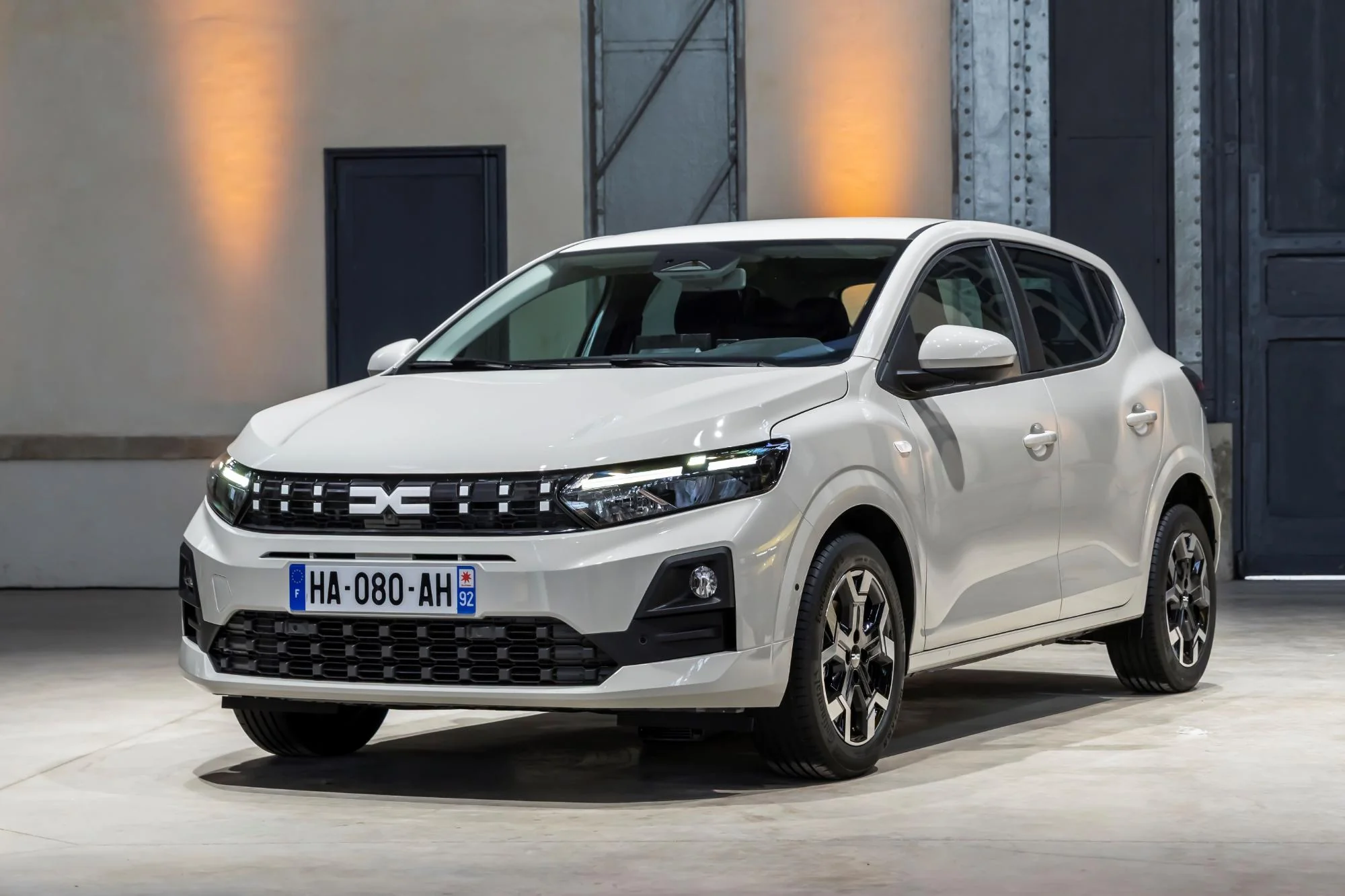
For Dacia and Renault, two price-sensitive brands on the Romanian market, the change can matter directly. Faster access to LFP batteries, motors and lower-cost electronics may make more affordable electric cars possible, even if final production stays in Europe.
Sources: Automotive News Europe, Renault Group and Ampere.