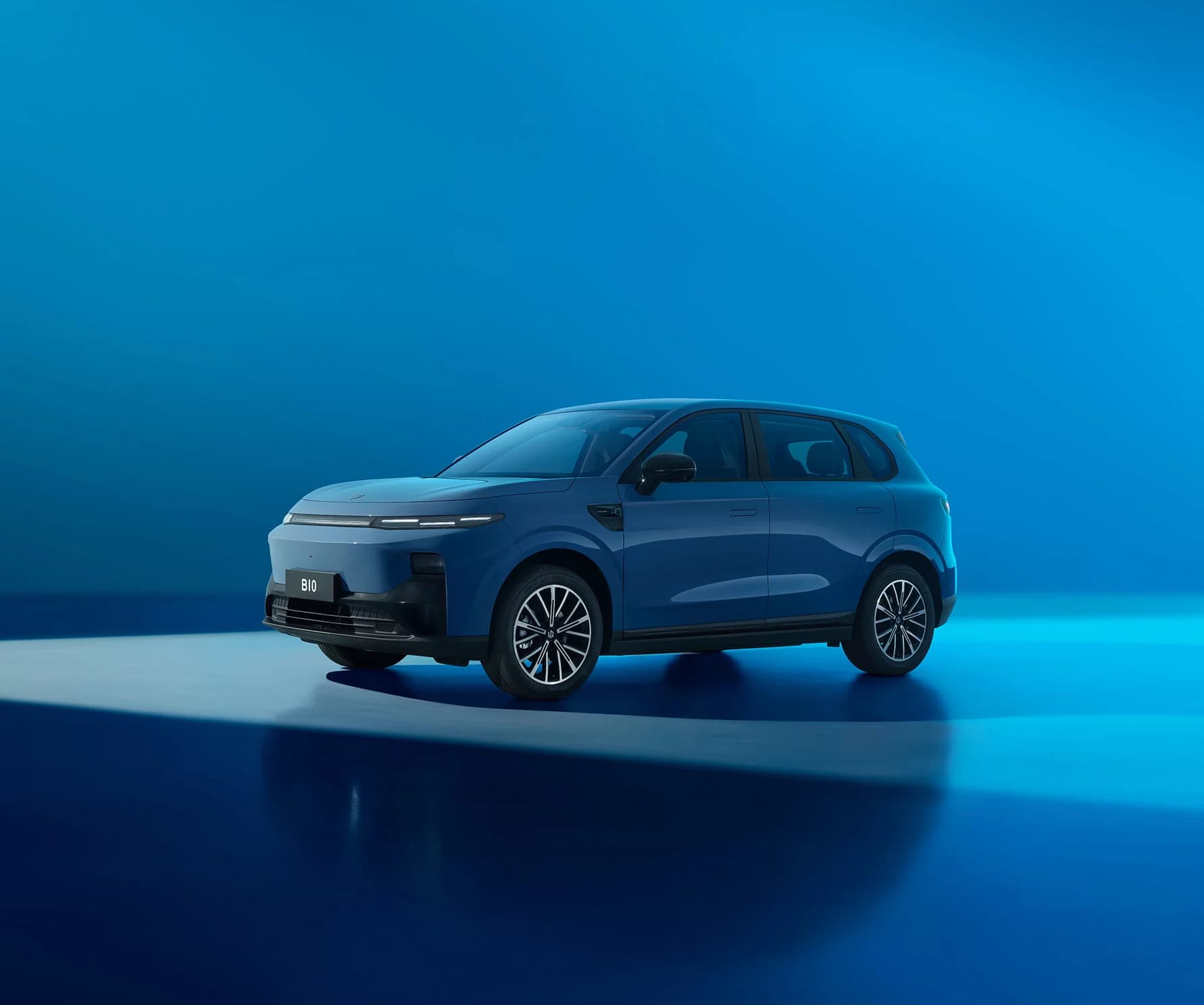
Official image: Leapmotor. The photograph shows the B10 model from the manufacturer’s European range.
Leapmotor and Stellantis have officially started production of the B10 electric SUV at the Stellantis plant in Zaragoza, Spain. The event took place on 16 October 2026 at the Figueruelas facility and turns the partnership between the Chinese EV company and the European group into an operating European assembly programme. The B10 is intended for European customers, but the announcement does not yet provide an annual production target, a Romanian price or a delivery schedule for every market.
A new model at an established plant
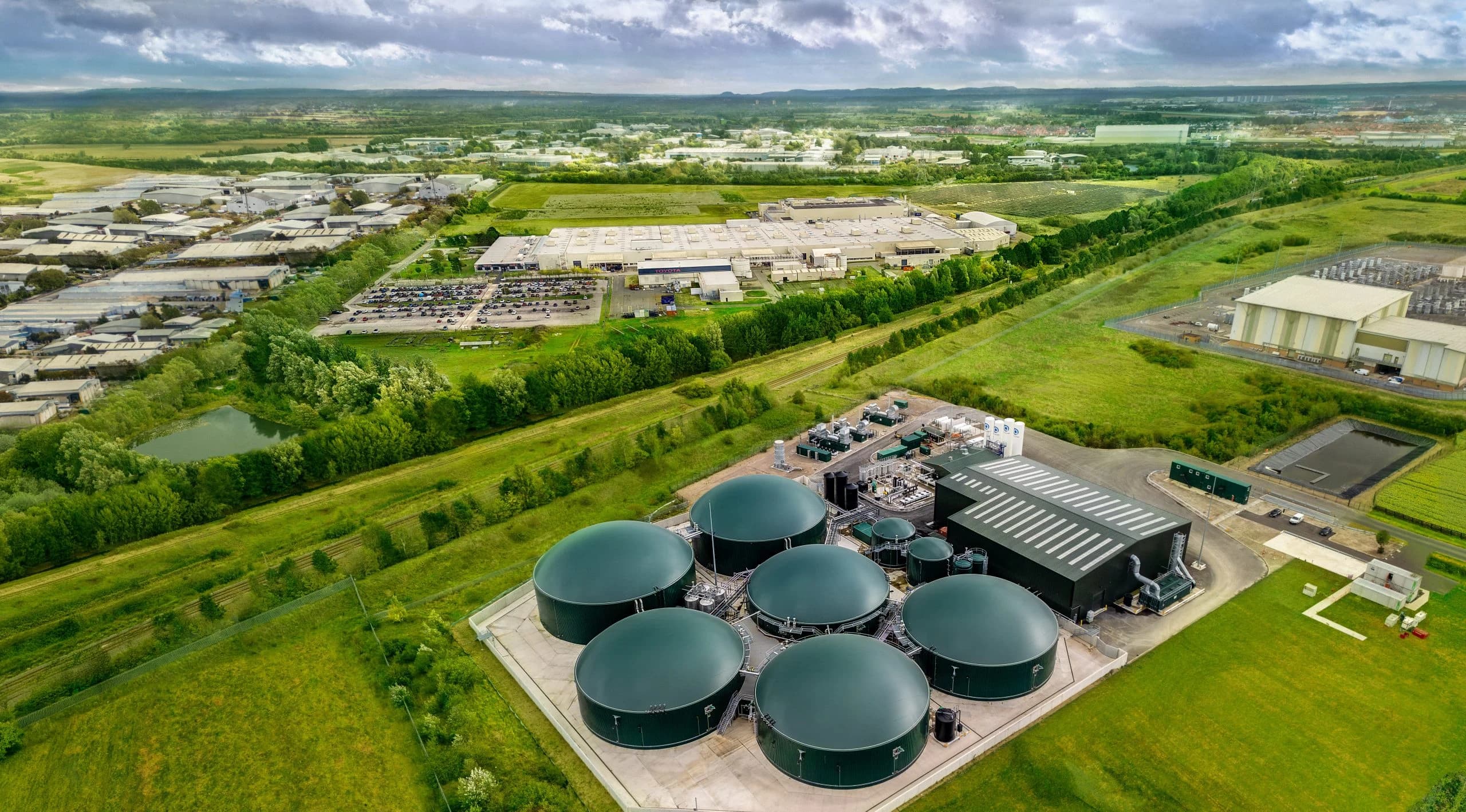
Stellantis says Zaragoza was selected for its quality record, available capacity and industrial expertise. The facility already produces the Opel Corsa, Peugeot 208 and Lancia Ypsilon. Adding the B10 places a Leapmotor model in a plant that already works with compact vehicles and high-volume production processes.
The official statement confirms the start of production, not a specific output. It does not publish the number of shifts dedicated to B10, a yearly capacity or a separate employment figure. That distinction matters because the phrase “production has started” does not mean that all European deliveries immediately come from Spain or that the facility has reached its future maximum.
For Leapmotor, the Spanish assembly line is part of a wider internationalisation plan. The company is headquartered in Hangzhou and develops electric drivetrains, batteries, software and vehicle systems. Local production brings part of the industrial process closer to European customers, but the official material does not provide a complete country-of-origin list for every B10 component.
The structure of the alliance
The relationship between the two companies began before the Zaragoza announcement. Stellantis said that it acquired approximately 21% of Leapmotor in October 2023, becoming the company’s largest single shareholder. In May 2024, the partners created Leapmotor International B.V., a joint venture owned 51% by Stellantis and 49% by Leapmotor. The venture has exclusive rights to sell and manufacture Leapmotor products outside Greater China.
In May 2026, Stellantis and Leapmotor announced plans to deepen the partnership. That communication referred to bringing the B10 to the Figueruelas plant and to studying a new line for a future electric Opel C-SUV. The Opel timing was still under evaluation, with a potential production start in 2028. The B10 announcement is more concrete: Stellantis and Leapmotor marked its official production start in Zaragoza in October 2026.
Stellantis presents the arrangement as a combination of Leapmotor’s technology and development capabilities with its own manufacturing standards, industrial network and knowledge of European markets. Those are company descriptions rather than an independent quality assessment. For customers, the directly verifiable result is that an established Stellantis factory is now assembling the B10 for the European programme.
What the European B10 offers
Leapmotor’s Spanish product page lists the B10 at 4.51 metres long. The battery-electric versions use either a 56.2 kWh or a 67.1 kWh battery and have official WLTP ranges of 361 km and 434 km respectively. WLTP is a homologation result, not a guaranteed distance in every season. Temperature, speed, terrain, traffic and climate-control use can alter real consumption.
The manufacturer quotes maximum output of 218 hp. For DC fast charging, the Spanish site specifies up to 168 kW and a 30–80% charging time of 19 minutes for the fully electric versions. Actual time depends on the battery temperature, the charger and the state of charge. The figure should therefore be read as a product specification under compatible conditions, not as a promise that every public charger will deliver the same result.
The European range also includes a REEV version with an 18.8 kWh battery and a 1.5-litre petrol engine. Leapmotor states up to 86 km of electric range and up to 900 km total WLTP range for that configuration. The Spanish production announcement specifically describes the B10 produced in Zaragoza as fully electric. The range presentation and the factory announcement should not be merged into the claim that every B10 built there is a hybrid.
Cabin, luggage and assistance systems
The B10 has a 430-litre boot, expandable to 1,700 litres with the rear seats folded, according to Leapmotor Spain. A 25-litre front storage compartment can hold charging cables or smaller items. The cabin includes a 14.6-inch 2.5K central display with Apple CarPlay and Android Auto compatibility. Over-the-air updates and a dedicated phone application are also listed by the manufacturer.
Leapmotor advertises 17 advanced driver-assistance functions and a 360-degree camera. The same product page refers to a five-star Euro NCAP result. Buyers should check the exact tested version and the standard equipment in their market because safety assistance features can differ between trims and countries.
What local production changes
Building the B10 in Zaragoza shortens the distance between European assembly and European sales, but it does not automatically establish a Romanian price or availability. The Spanish website shows a promotional price that includes Spanish support schemes and a limited validity date. That offer cannot be transferred to Romania without a local importer’s confirmation.
Romanian buyers will need to verify the official retail offer, registration category, warranty, service network, parts supply and charging support. Local assembly may affect logistics and the brand’s industrial positioning, but those practical conditions decide how the car can be owned and maintained.
The Zaragoza start is therefore a concrete industrial step for Leapmotor and Stellantis. The B10 is the first Leapmotor model officially assembled in Europe, in a factory that already builds several Stellantis products. The next measurable stage will be the delivery rhythm, local support and commercial terms offered to customers across Europe.