The capital link between Bugatti and Volkswagen Group has ended. Porsche completed the sale of its holdings in Bugatti Rimac and Rimac Group on 9 September 2026 to an investor consortium led by the US firm HOF Capital.
The deal had been announced in April and closed after the required approvals were obtained. Porsche estimates proceeds of about one billion euros, of which 250 million euros will be directed to employee pension obligations.
What Porsche sold
Before the transaction, Porsche held:
- 45% of Bugatti Rimac;
- about 21% of Rimac Group.
The remaining 55% of Bugatti Rimac was controlled by Rimac Group. The structure was created in 2021, when Bugatti’s operations were combined with the Croatian maker of electric cars and propulsion technologies.
The buying consortium is led by HOF Capital and includes BlueFive Capital as the largest investor, alongside other financial institutions from the United States and Europe. The figure of about one billion euros announced by Porsche refers to the proceeds from selling its holdings, not to an official full valuation of Bugatti.
Porsche confirms that the exit is part of its strategy of concentrating on its core business. The company has raised its estimate for the automotive net cash flow margin in 2026 from 3–5% to 5.5–7.5%, after including the effects of the transaction.
Why Bugatti no longer belongs to Volkswagen Group
Volkswagen bought the Bugatti brand in 1998 and financed its return as a hypercar maker, including the development of the Veyron and Chiron. The direct link changed in 2021 with the formation of Bugatti Rimac: Rimac Group received majority control, and Porsche remained a minority shareholder.
Porsche is part of Volkswagen Group, so its holdings kept Bugatti indirectly in the German group’s orbit. After the complete sale of those shares, Volkswagen Group no longer holds a stake in Bugatti Rimac or Rimac Group.
The legal separation does not erase the technical and historical relationships between the companies. Existing Bugatti cars will continue to use parts and technologies developed during the Volkswagen period, and service and warranty obligations do not disappear with the change of ownership.
Mate Rimac consolidates operational control
Bugatti Rimac announced that Mate Rimac remains chief executive of the company and also takes the role of president of Bugatti Automobiles. The change gives him more direct operational control over the brand from Molsheim.
Christophe Piochon is stepping down as president of Bugatti Automobiles and chief operating officer of Bugatti Rimac. Marko Brkljačić, formerly chief operating officer at Rimac Technology, is proposed as chief operating officer of Bugatti Rimac, and Hendrik Malinowski is to become commercial director.
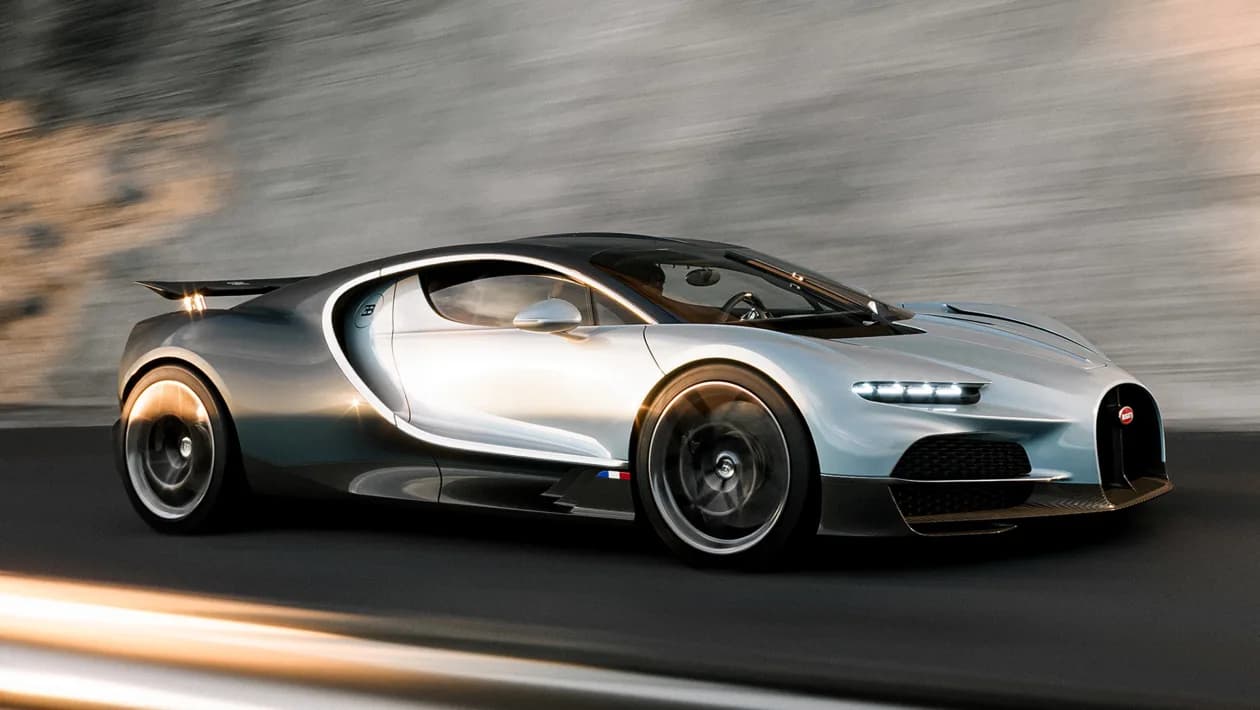
The company has not announced changes to the product plan. Immediate priorities remain completing tests for the Bugatti Tourbillon and the work of the new La Manufacture production unit in Molsheim, opened in July 2026.
What changes for Bugatti
The most important change is financial and of governance. Bugatti is no longer tied to one of the world’s largest car groups through an industrial shareholder such as Porsche. Instead, the brand will continue under Mate Rimac’s leadership, with the support of an investment consortium.
For customers, no immediate change has been announced regarding production, the sales network or the maintenance of the cars. Bugatti keeps its headquarters and factory in Molsheim, and Bugatti Rimac remains the company that coordinates the activities of the Bugatti and Rimac brands.
Porsche’s exit thus ends a 28-year period in which Bugatti was controlled directly or indirectly by Volkswagen Group. The next stage will be judged through the Tourbillon launch and through the new shareholders’ ability to finance the brand’s long-term development plan.
Sources: Bugatti Newsroom, Porsche Newsroom and Motor1.