Fiat chief Arnaud Belloni says Euro NCAP’s star ratings have become harder for customers to interpret. In an interview reported by Autocar, Belloni argued that buyers no longer understand the system because the rules change often enough for a car to move from five stars to three or two under a later protocol.
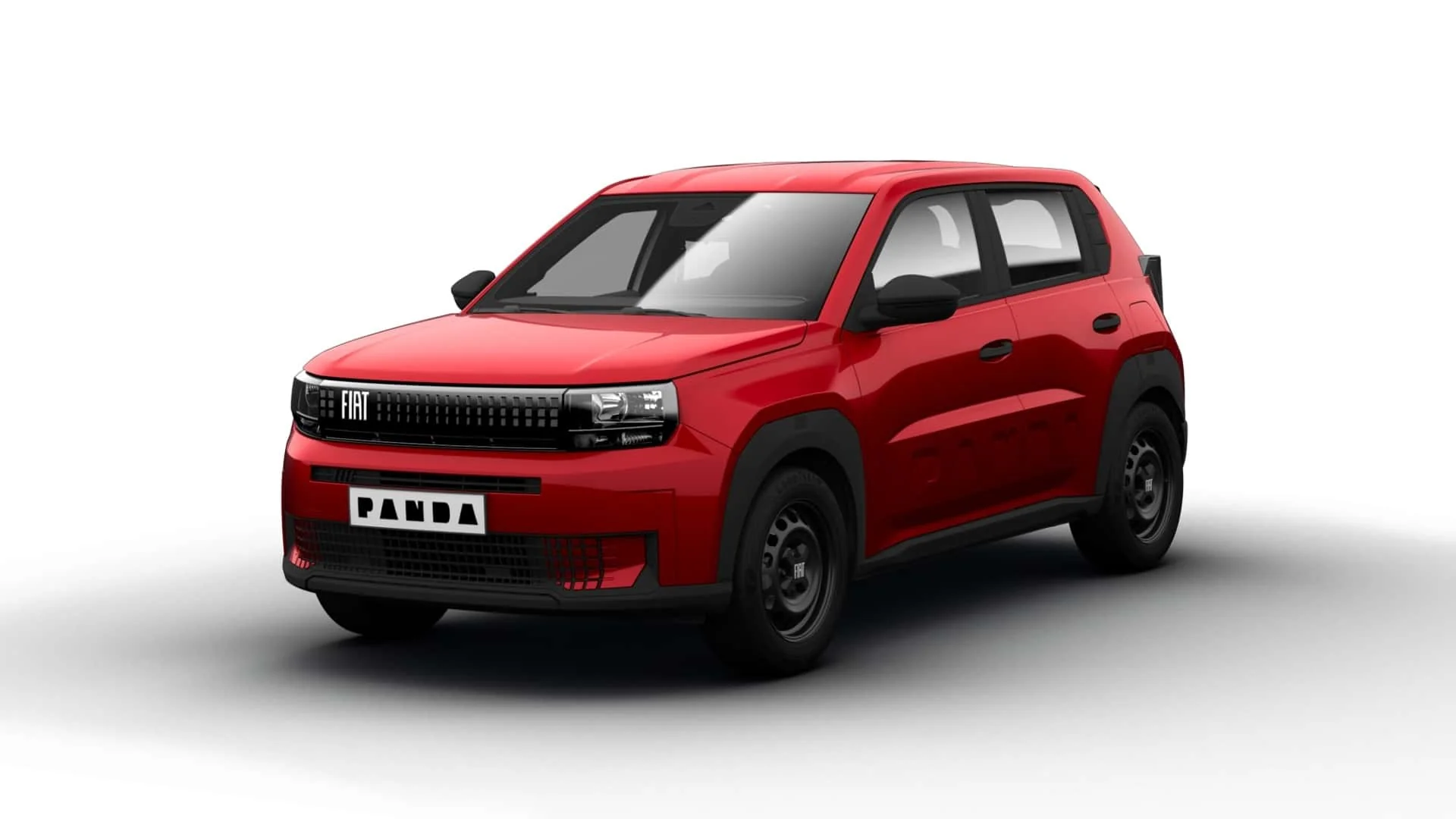
The comment arrives as Fiat works on a small, entry-level electric car intended to fit a new European low-cost category. The report says the project could be designed around the EU’s new E-Car framework. Fiat has not published the vehicle’s final specification, price, equipment list or Euro NCAP result. Belloni’s point is therefore a warning about the commercial tension between a low purchase price and the equipment needed to score highly under a modern safety programme, not a confirmed rating for a future Fiat.
What Belloni is criticising
Belloni is not saying that crash tests have no value. His criticism concerns the way a single number is presented to a customer. Euro NCAP protocols are updated over time. A vehicle tested under one set of requirements can therefore have a different result from the same vehicle assessed later, even when its basic structure has not suddenly become worse.
That distinction matters on a showroom forecourt. A five-star result is easy to remember, while the test year, the standard equipment and the optional safety pack are less visible. When a later result has fewer stars, a reader may assume that the car has become unsafe. In reality, the result can also reflect additional driver-assistance tests, tougher thresholds or safety features that were not fitted to the assessed version.
The commercial issue is particularly clear for a small electric car. Keeping a vehicle affordable may involve a shorter equipment list. Some advanced assistance functions can be standard, optional or unavailable depending on the market and trim. Under Euro NCAP’s scoring system, the absence of a function can affect the safety-assist section and the overall star outcome. That does not turn a lower-rated car into an unsafe car, but it does tell a buyer that the assessed level of prevention equipment is different.
The 2026 protocol covers more stages
Euro NCAP’s 2026 approach is divided into four areas: Safe Driving, Crash Prevention, Crash Protection and Post-crash Safety. Automobile Club d’Italia’s explanation describes a wider assessment that follows the vehicle from avoiding a collision to protecting people in the crash and helping emergency responders afterwards.
The framework gives more weight to advanced driver-assistance systems, their behaviour in real-world situations, the protection of different occupant types and post-crash access. For an electric vehicle, the response after a collision also has practical importance because rescuers need clear information about high-voltage systems and the condition of the battery. These additions make the rating more informative, but they also make a simple comparison of stars less complete.
The Spanish traffic authority DGT describes the same direction. Its overview of the 2026 changes refers to real-world ADAS testing, a wider range of occupant sizes and checks involving door handles and high-voltage batteries after a crash. DGT also notes that protocols are updated every three years. A result is therefore a snapshot of a particular vehicle, equipment level and test cycle.
Why the stars can change without a new crash structure
A later assessment does not require the manufacturer to have redesigned the passenger cell. If Euro NCAP adds a scenario for automatic emergency braking, changes the way lane support is judged or raises the threshold for a star, a model with unchanged hardware can receive a different score. That is one reason Euro NCAP publishes detailed category percentages alongside the headline rating.
The four broad categories remain useful, but they need context. Adult and child occupant protection describe the crash performance observed in the tested configuration. Vulnerable-road-user protection covers risks to pedestrians and cyclists. Safety assist covers systems that can prevent or mitigate a collision. A buyer comparing two cars should check all four sections, not only the star icon.
Equipment is another boundary. A vehicle may be tested with a safety pack that is not included in the cheapest version. Euro NCAP’s result can explain the tested specification, but the buyer still has to compare it with the exact trim, market and model year being ordered. An old five-star result is not a guarantee for a newer car with a different standard equipment list.
What buyers should check on a future small Fiat EV
No official Fiat source consulted for this article gives the final price, battery, range, launch date or Euro NCAP rating of the small electric project mentioned in the interview. Those details should not be filled in with assumptions. The useful questions will be practical ones: which emergency-braking functions are standard, whether cyclist and pedestrian detection is included, how lane assistance behaves, and whether the tested safety equipment is fitted to the entry trim.
For a car already on sale, the first step is to open the model’s Euro NCAP assessment and note its test year. The percentages then need to be read with the equipment list. A test drive is also relevant for ADAS. Euro NCAP’s newer approach is concerned with how systems work in real conditions, while a customer needs to know whether warnings are understandable and whether interventions feel predictable.
Belloni’s statement is best read as a criticism of communication and comparability, not as a rejection of independent safety testing. The stars are a summary. The protocol, year, equipment and category scores are the information needed to understand what that summary actually says.