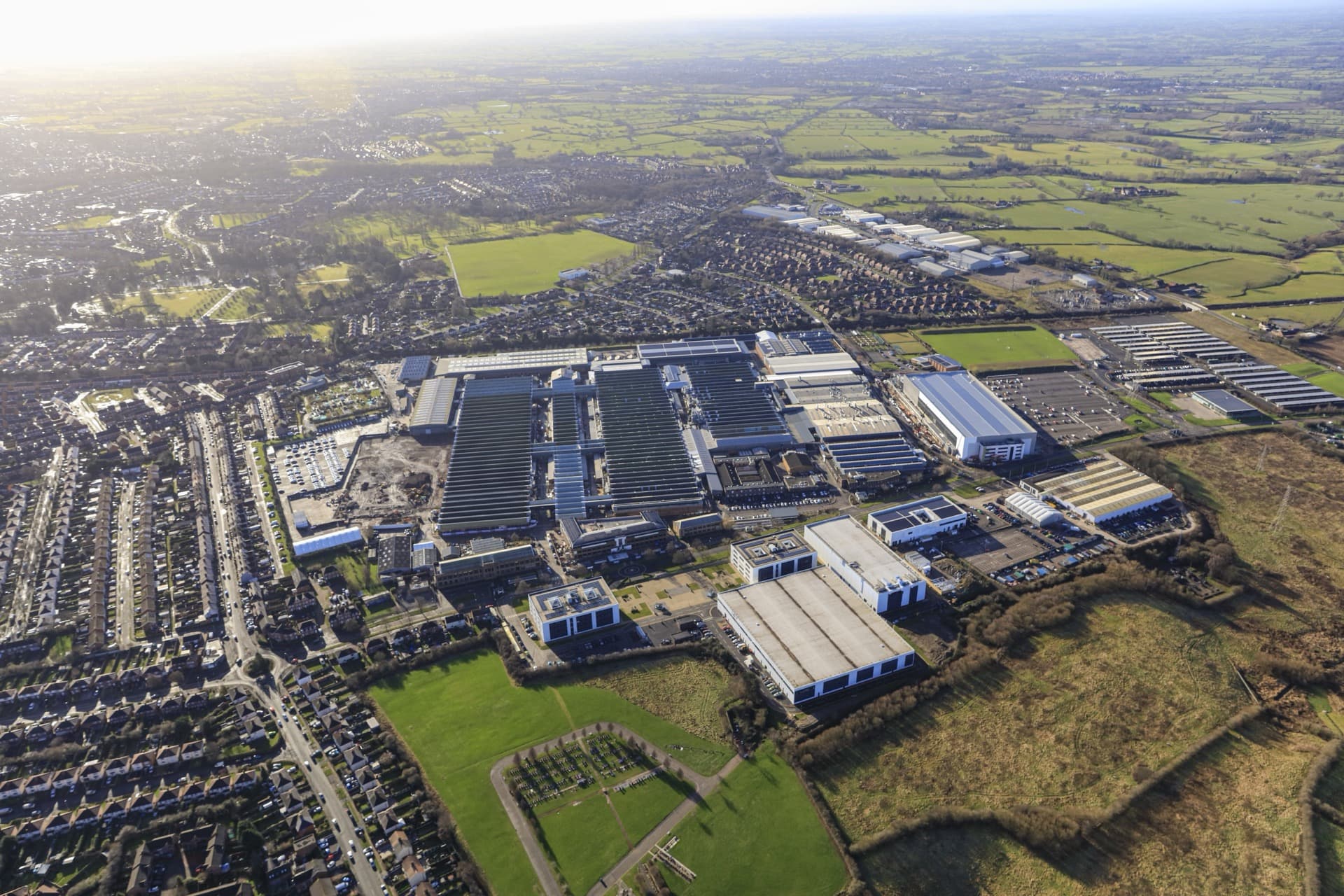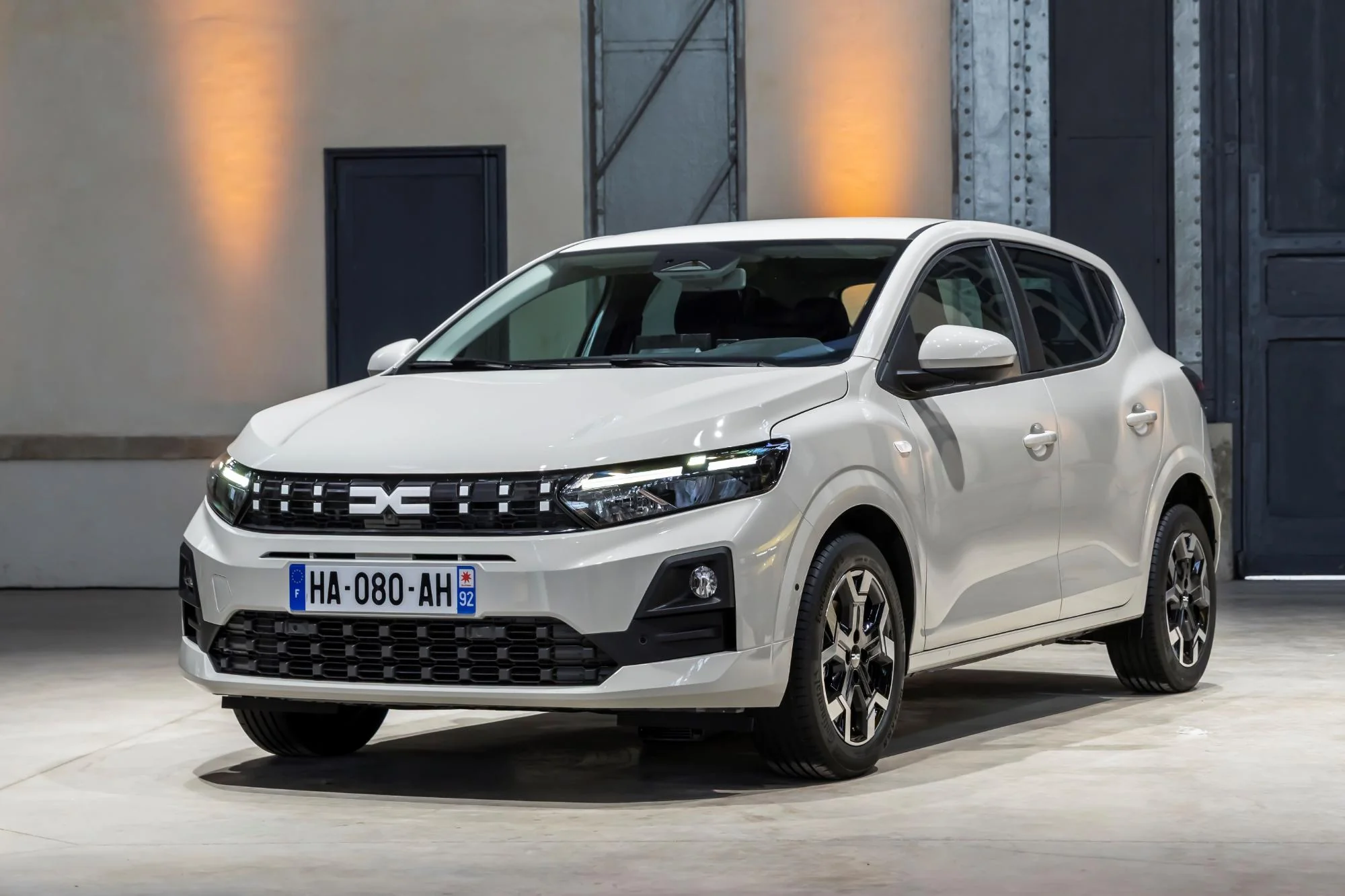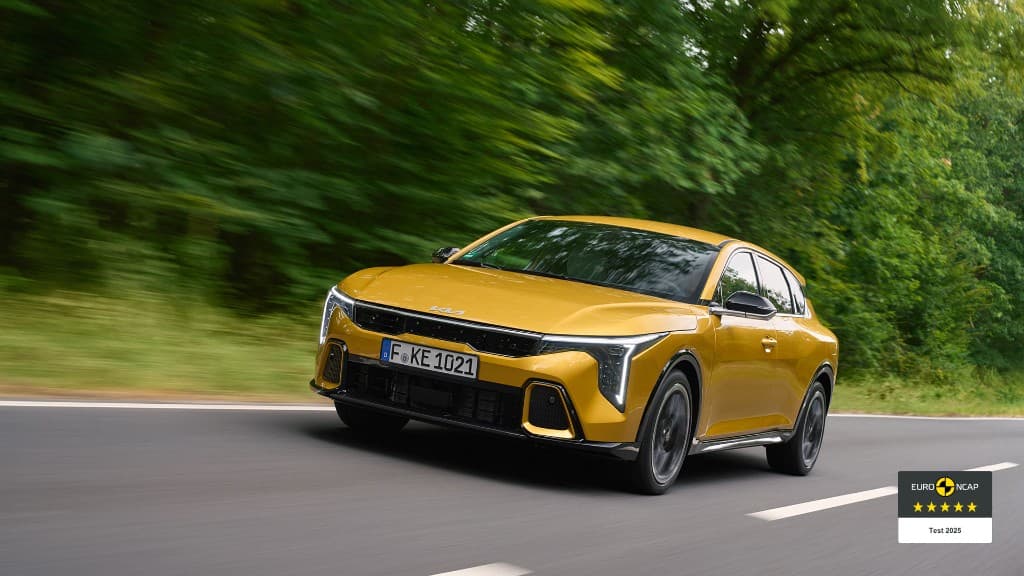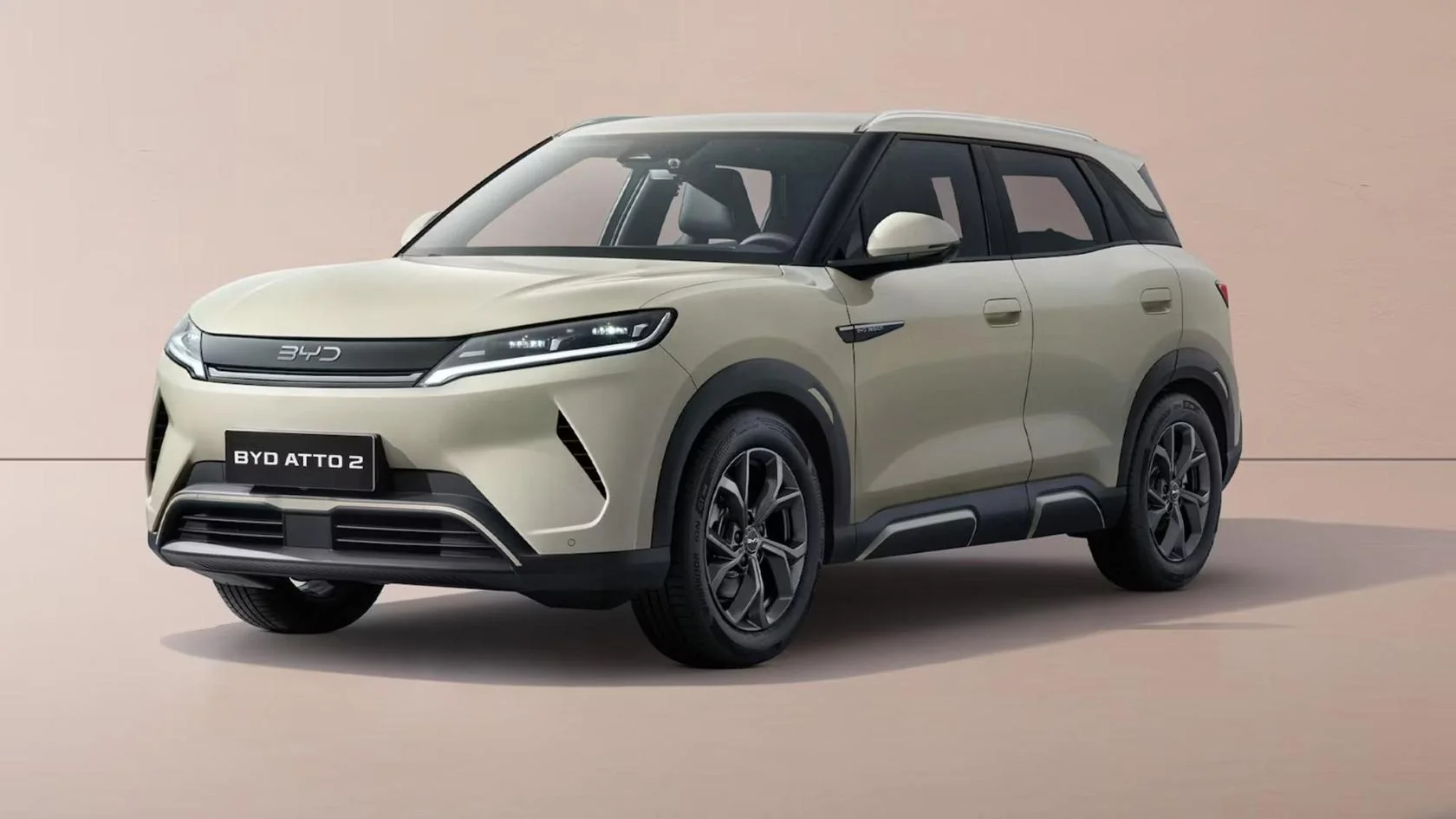
Chinese manufacturers could produce around one million cars a year in Europe in 2030 and 1.5 million in 2035, according to an S&P Global Mobility forecast reported by the international press. The estimate does not describe the current capacity of the plants, nor does it represent a joint plan of the companies, but a scenario based on investments and partnerships in preparation.
For the European industry, the question is no longer only how many cars will be imported from China. It becomes equally important where the models sold here will be assembled, who will supply the batteries and components, and how much economic value will remain in Europe.
Why production is moving closer to European customers
Since October 2024 the European Union has applied additional countervailing duties on battery-electric cars manufactured in China. The level differs by manufacturer and is added to the usual customs duty. Petrol models and plug-in hybrids do not fall under the same scheme, but manufacturers that sell them also have logistical and commercial reasons to produce locally.
A European plant can shorten transport, allow production to adapt more quickly to demand and reduce exposure to customs changes. It does not automatically guarantee a lower price for the customer. Labour, energy, supplier and investment-amortisation costs can absorb part of the savings.
S&P Global Mobility estimates that combined sales of the three largest Chinese manufacturers in Western and Central Europe will approach 1.177 million units in 2030. Local production is one of the methods through which the companies are trying to support that growth.
Four ways Chinese brands enter European factories
Not all industrial projects have the same structure. Four formulas are taking shape in Europe:
- own plant, such as the BYD factory in preparation in Szeged, Hungary;
- partnership in an existing plant, such as the collaboration between Chery and Ebro at the former Nissan factory in Barcelona;
- contract manufacturing, through which a European manufacturer assembles cars for a brand from China;
- alliance with a European group, in which platforms, plants or supplier networks are used jointly.
The timetable of these projects should be viewed with caution. An announced capacity of 100,000 cars a year does not mean the factory will immediately produce that volume. Launching the lines, homologating the models, demand and the availability of components can delay the rise in production.
“Assembled in Europe” does not necessarily mean high European content
A car can leave a European factory with a significant share of components brought from China. The difference between simply assembling imported kits and integrated production, with batteries, electronics, seats, bodies and software coming from local suppliers, matters for jobs and for the trade balance.
That is why the European Industrial Accelerator Act project and the discussions about “Made in Europe” criteria look not only at the location of the final assembly line, but also at the origin of components. The European Commission shows in preparatory documents that the share of European inputs is lower for electric cars than for cars with combustion engines, mainly because of batteries and their supply chain.
For Chinese manufacturers, using local suppliers can mean higher costs at the beginning. For Europe, it means a greater chance that the investments will also support firms that produce components, not only the final assembly operation.
European factories have spare capacity
The move of Chinese production is not taking place in an industry without space. AlixPartners estimates that European car plants have about 2.5 million units of unused annual capacity. Part of it can be occupied through contracts, joint ventures or the takeover of factories that would otherwise risk a reduction in activity.
This solution can preserve jobs, but it also creates a new dependence. If design, the battery, electronics and commercial decisions remain outside Europe, the local plant can have a limited role in the value chain. Economists and industry organisations therefore call for local-content rules that are clear enough for manufacturers and suppliers to plan investments over several years.
What it could mean for Romania
The 1.5 million-car forecast does not assign a volume to Romania, and there is currently no confirmed project for a passenger-car plant of a Chinese brand in the country. The proximity of the BYD factory in Hungary can nevertheless shorten the logistics route for models destined for the Romanian market.
Romanian suppliers could take part in these chains only if they obtain contracts for components, software or logistics services. The fact that a car is assembled in a neighbouring state does not guarantee the use of parts produced in Romania.
For the buyer, European production can bring more predictable delivery times and, over time, better access to parts. The warranty, the service network, residual value and insurance price remain criteria that must be checked separately for each brand and model.
The forecast depends on demand and on European rules
The target of 1.5 million cars a year in 2035 can be exceeded if Chinese brands quickly increase their market share and put the announced factories into operation. It can also be revised downwards if demand slows, projects are postponed or the European Union imposes stricter conditions on the origin of components.
The International Energy Agency warns that announced industrial capacity should not be confused with actual production: the use of new plants depends on sales, industrial policy and access to local markets. Therefore, the 2035 figure is more useful as an indicator of the direction of investment than as a volume already guaranteed.
Sources
- Carscoops – forecast on European production by Chinese manufacturers
- S&P Global Mobility – localisation of Chinese manufacturers’ production in Europe
- AlixPartners – Global Automotive Outlook 2026
- International Energy Agency – production and trade of electric vehicles
- European Commission – documents on the Industrial Accelerator Act