Britain registered 1,388,735 new cars in the first eight months of 2026, 9.8% more than in the same period last year. The more revealing change is in the powertrain mix: BEVs, conventional hybrids and plug-in hybrids together reached 735,271 registrations. Added together, those categories represented about 52.95% of the market, a calculation based on the separate totals published by the Society of Motor Manufacturers and Traders (SMMT).
This is not a claim that battery-electric cars alone have overtaken petrol. BEVs accounted for 25.62% year to date, HEVs for 13.99% and PHEVs for 13.34%. Petrol remained the largest individual category at 42.47%, while diesel fell to 4.58%.
Three different types of electrification
Battery-electric registrations reached 355,746 units, an increase of 28.6%. SMMT describes the 25.6% share as a record high for the period. Conventional hybrids added 194,327 cars and grew 11.2%. Plug-in hybrids reached 185,198 registrations and grew 37.9%, making them the fastest-growing of the three groups.
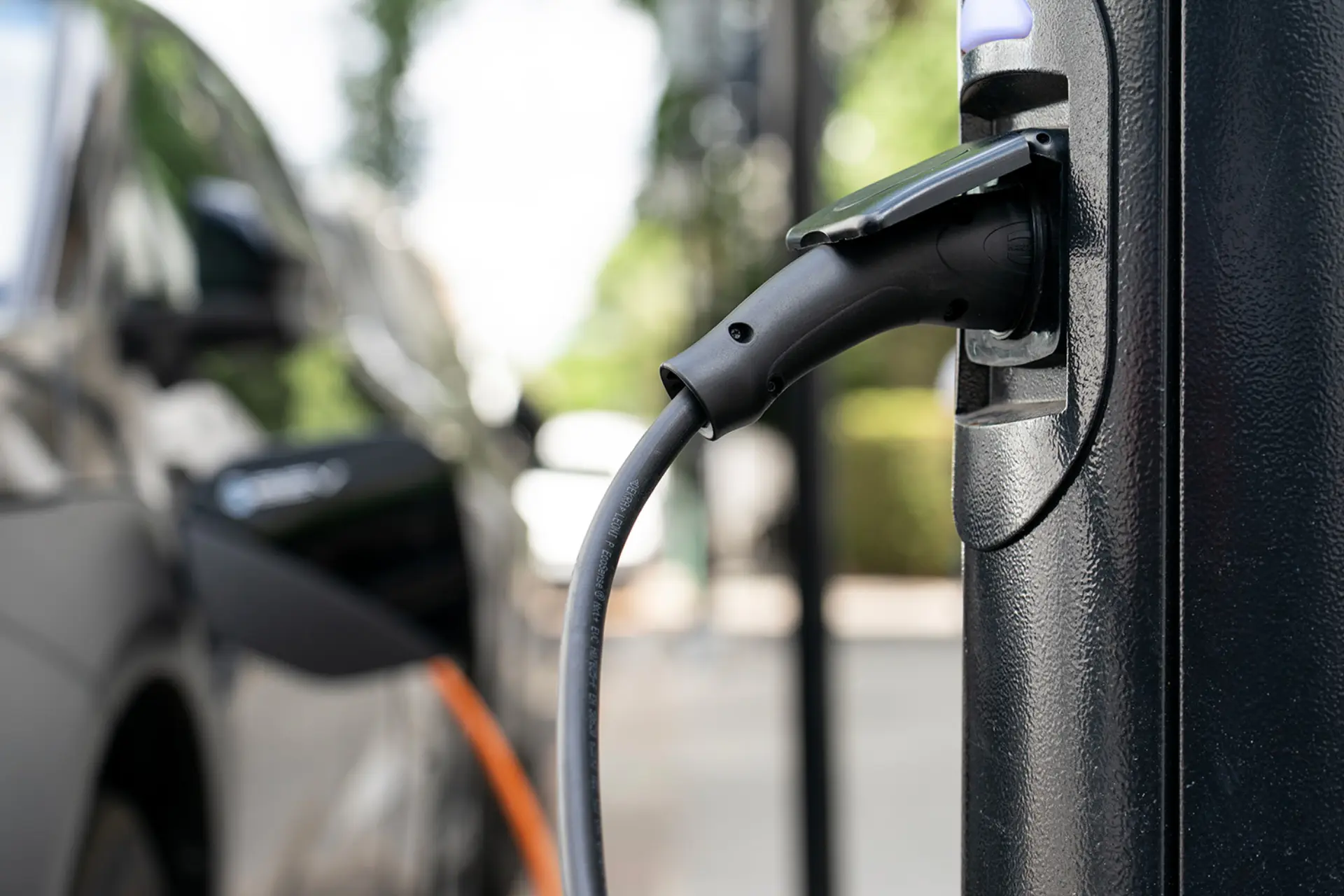
The terminology matters. A BEV has no tailpipe combustion engine. A non-plug-in HEV recharges its smaller battery through the car’s systems and cannot normally be connected to an external charger. A PHEV can be plugged in but still uses a combustion engine. Their registration shares describe market adoption, not identical use or identical real-world emissions.
Petrol registrations declined 3.1% to 589,842, while diesel fell 10.5% to 63,622. SMMT labels these columns “all petrol” and “all diesel”, so the table does not provide a detailed split of every mild-hybrid configuration.
August produced a strong headline
The UK recorded 94,236 registrations in August, up 13.7% year on year. It was the ninth consecutive month of growth and the best August since the biannual number-plate change was introduced. August is normally quiet because many buyers wait for September’s new plate, so a smaller denominator can amplify market shares.
BEVs accounted for 29.8% in August, with 28,063 registrations and 27.7% growth. PHEVs reached 13,707 units, up 39.8%, and HEVs reached 11,940, up 26.3%. Petrol fell 3.5% to 36,048 registrations. Diesel rose 4.0% to 4,478, although it remains a small category.
SMMT’s historical note shows the seasonal pattern: August BEV share was 20.1% in 2023, 22.6% in 2024 and 26.5% in 2025. September is therefore the better test of whether the latest offers and product range are converting into sustained demand.
Fleets shape the result
Fleet buyers accounted for 53,934 August registrations, or 57.2% of the market. Private registrations reached 38,460, representing 40.8%, while the business sector contributed 1,842 cars. Year to date, fleets stand at 809,511 registrations and 58.3% share. Private customers account for 546,798 cars and 39.4%.
The fleet share gives context to electrification. Company-car taxation, leasing structures, replacement schedules and manufacturer support can make an electric or plug-in model easier to adopt in a fleet than in a household that buys outright. Private customers still face separate questions about purchase price, home charging and longer journeys.
The mandate target is higher than the market share
The 25.6% BEV share is below the UK’s 33% headline 2026 target under the Zero Emission Vehicle Mandate. SMMT says manufacturers are investing and using discounts to stimulate demand. The association identifies price and charging anxiety as major barriers and says the government’s review should keep targets ambitious while reflecting actual demand.
Mike Hawes, SMMT chief executive, described August as a bright spot but called September the acid test. His comments represent the industry association’s position. The registration data show growth; claims about compliance costs, residual values and future investment remain part of the policy debate rather than measured outcomes in this dataset.
Relevance beyond Britain
The UK figures are useful for European readers because they show how three forms of electrification can move together. They are not a direct forecast for Romania or another country. Britain has a distinct mandate, tax system, fleet structure and charging market. Romania has different incomes, incentives, used-car flows and urban-rural charging access.
For buyers, the practical point is to separate the categories. An HEV may suit a driver without home charging. A PHEV depends on regular charging to use its electric capability. A BEV requires a routine that fits daily and longer journeys. Britain’s 52.95% combined share is evidence of market movement, not a universal recommendation for one powertrain.
The figures also show why monthly headlines should be paired with a cumulative view. August’s BEV share was close to 30%, but the eight-month share was 25.62%. The difference is not a contradiction: registration timing, fleet deliveries and the September plate change affect individual months. The year-to-date total is the more useful measure for comparing the market with the mandate, while the August result indicates what manufacturers and retailers were able to deliver in a traditionally quiet period.
The same caution applies to the combined 52.95% figure. It counts every new car in three electrified categories, but it does not measure charging frequency, electric kilometres or household ownership. A market can change its product mix before every driver changes how a car is used. That distinction matters when comparing Britain with countries where home charging, tax rules or the used-car market follow a different path.