BMW chief executive Milan Nedeljković says some Chinese cars are being offered in Europe at prices that “make no business sense”. His comments, made in an interview with Frankfurter Allgemeine Zeitung, add a senior European industry voice to the debate about Chinese vehicle imports, subsidies and the future of competition in the European market.
The BMW boss did not call directly for another increase in tariffs. He said he would prefer political discussions between Europe and China, followed by voluntary agreements covering pricing and fair framework conditions. His position is therefore more specific than a general complaint about Chinese competition: BMW supports open trade, but argues that competition becomes dangerous when prices cannot be explained by normal market costs.
That distinction matters. The interview does not establish that every Chinese car is subsidised or that a named model is being sold below cost. Nedeljković offered a political and industrial warning, while the legal question of unfair subsidisation is handled through European Commission investigations and trade procedures.
A warning about protectionism, not a call to close the market
Asked by FAZ whether Chinese manufacturers were selling in Europe at dumping prices, Nedeljković gave a deliberately cautious answer. He said some Chinese cars were offered at prices that were economically incomprehensible and that this could fuel protectionist tendencies across Europe. At the same time, he stressed BMW’s global business model and its support for free trade and competition.
His preferred route is a political dialogue that defines what market-based pricing should mean in practice. Voluntary undertakings could follow that dialogue. Such a system might avoid a further tariff increase, but it would need much more than a headline price. Authorities would have to consider subsidies, financing, shipping, batteries, equipment levels, discounts and the way a manufacturer allocates costs between markets.
It is not yet clear what a minimum price would look like, which companies would sign such an agreement or how compliance would be checked. The proposal is an approach advocated by BMW’s CEO, not a new EU policy.
The EU already charges duties on China-built battery EVs
The European Commission completed its anti-subsidy investigation into battery-electric vehicles made in China in 2024. Definitive countervailing duties vary by producer. The published rates are 17 percent for BYD, 18.8 percent for Geely, 35.3 percent for SAIC, 20.7 percent for other cooperating companies not included in the sample and 7.8 percent for Tesla Shanghai after an individual examination.
These are additional duties on the relevant China-built battery-electric vehicles and sit alongside the standard customs tariff. They are not a blanket charge on every Chinese vehicle, do not automatically cover combustion models and do not mean that every imported car has been found to have an unfair price. The Commission’s legal finding concerned subsidies that could injure European producers.
In January 2026, the Commission published guidance for price-undertaking offers. It lists issues such as minimum import prices, sales channels, cross-compensation between products and future investment in the EU. Each offer must be assessed individually and must remain compatible with World Trade Organization rules. That framework gives context to Nedeljković’s preference for negotiated solutions, but it does not amount to a BMW-China agreement.
BMW is exposed to both sides of the dispute
BMW is a European manufacturer, but it also has a substantial industrial and commercial presence in China. Some Mini electric vehicles exported to Europe are made there. New duties on China-built products could therefore affect BMW’s own supply chain and vehicles, not only Chinese-owned competitors.
At the same time, Chinese manufacturers are putting pressure on BMW in its largest overseas market. BMW Group’s 2025 sales communication reported 625,527 BMW and Mini vehicles delivered in China, down 12.5 percent from the previous year. Europe produced a different result: BMW Group reported 1,016,360 deliveries, up 7.3 percent. Those numbers do not prove a single cause for the decline, but they show why pricing, technology and local competition are central concerns for the company.
China is not just an export destination for European automakers. It is also a manufacturing base, a supplier ecosystem and a market where domestic electric-car brands have gained ground. A trade dispute can affect sales, component prices, investment decisions and the availability of battery materials at the same time.
Nedeljković also mentioned the possibility that China could restrict battery-cell supplies in retaliation. That is a risk raised in the interview, not an announced Chinese measure. The comment shows why BMW prefers negotiation: tariffs can be targeted at cars, but a wider dispute could affect components and production schedules.
What could change for European buyers
A voluntary price agreement could reduce the pressure for another tariff increase, but it might also raise the price of some cars if manufacturers cannot meet European conditions without changing their business model. Higher tariffs could protect local production while also increasing the cost paid by customers. Rules requiring more European content could support regional suppliers, but the cost of European battery cells and parts would also have to be absorbed somewhere.
For buyers in Romania, the main rules are set at EU level. A Chinese-brand car, a European-brand car made in China and a car assembled in Europe do not necessarily face the same trade treatment. The production country, vehicle category, importer and customs documentation matter more than the badge alone. Buyers should also check the official price, included equipment, battery warranty, service network and any tariff-related price notice before ordering.
Nedeljković’s statement does not announce a new tariff and does not prove that all Chinese cars are underpriced. It describes BMW’s preferred response to a wider argument over subsidies, market access and industrial competitiveness. For now, the EU duties already adopted remain the relevant measures, while any broader agreement would require negotiations involving European institutions, China and affected manufacturers.
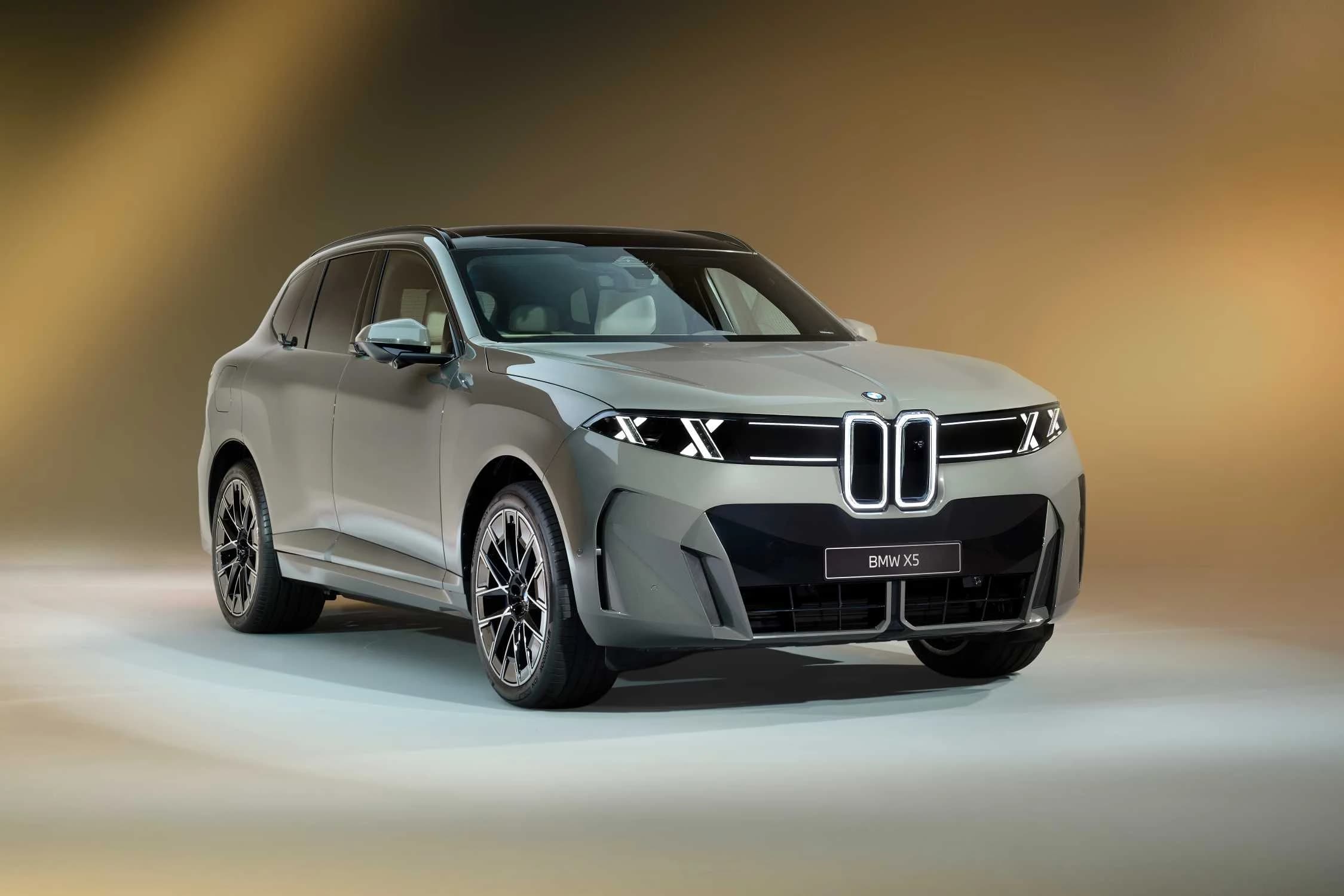
Photo: BMW Group PressClub. Official BMW iX5 60 xDrive image used as an illustration; it is not the Motor1 photograph from the supplied article.