In an SUV-dominated market, the BMW X3 balances performance, efficiency and comfort. Our review focuses on the xDrive20d and the rest of the X3 range.
The X3 targets buyers who want a mid-size SUV with performance, efficiency and comfort in a well-equipped package. Rivals include the Mercedes-Benz GLC, Audi Q5 and Alfa Romeo Stelvio, plus alternatives such as the Volvo XC60 and Lexus NX.
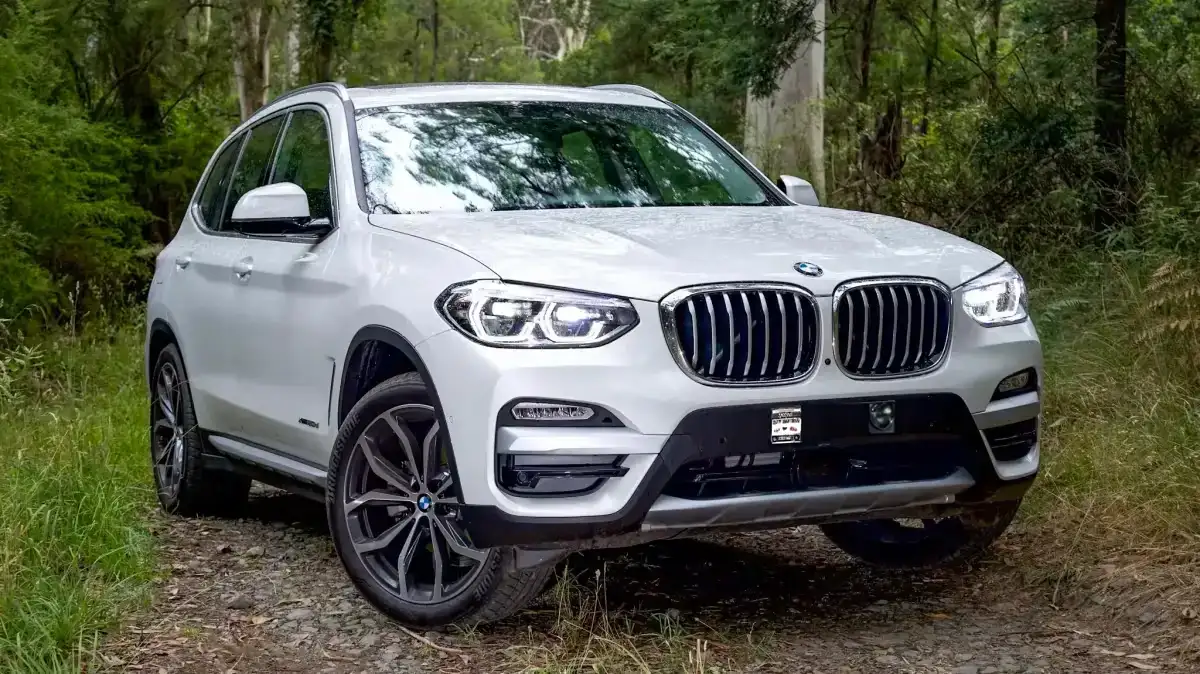
Exterior design uses dynamic lines and balanced proportions. Compared with the previous generation, the current car looks more modern. The kidney grille has grown, and sportier styling elements add presence.
Interior materials and finishes meet expectations for the class. The dashboard is ergonomic, and the 12.3-inch central screen—available with Live Cockpit Professional—offers a clear interface.
The popular xDrive20d uses a 2.0-litre diesel rated at 190 hp and 400 Nm. BMW positions it as a balance of efficiency and performance, with mild-hybrid assistance contributing to fuel use and emissions.
With a 60-litre tank—or 68 litres optionally—the xDrive20d can cover more than 1,000 km on one fill. In our test we averaged 6.2 l/100 km over 1,150 km at an average speed of 51 km/h.
On the road the X3 works well in town, on motorways and on lighter off-road routes. Suspension mixes comfort and sportiness; precise steering and xDrive all-wheel drive add agility and security. Adaptive dampers are optional for tighter body control.
Euro NCAP awarded five stars, with 93% for adult occupants, 84% for children, 70% for pedestrians and 58% for safety assist. Standard airbags include front, side and curtain units plus a driver knee airbag.
The xDrive20d starts at about €50,000, but options and packs can push the price toward €74,000 or beyond. Trim levels include Advantage, xLine, Luxury Line, M Sport and M.
The BMW X3 xDrive20d is a strong mid-size SUV choice: attractive design, refined interior and an efficient diesel powertrain in a competitive segment.