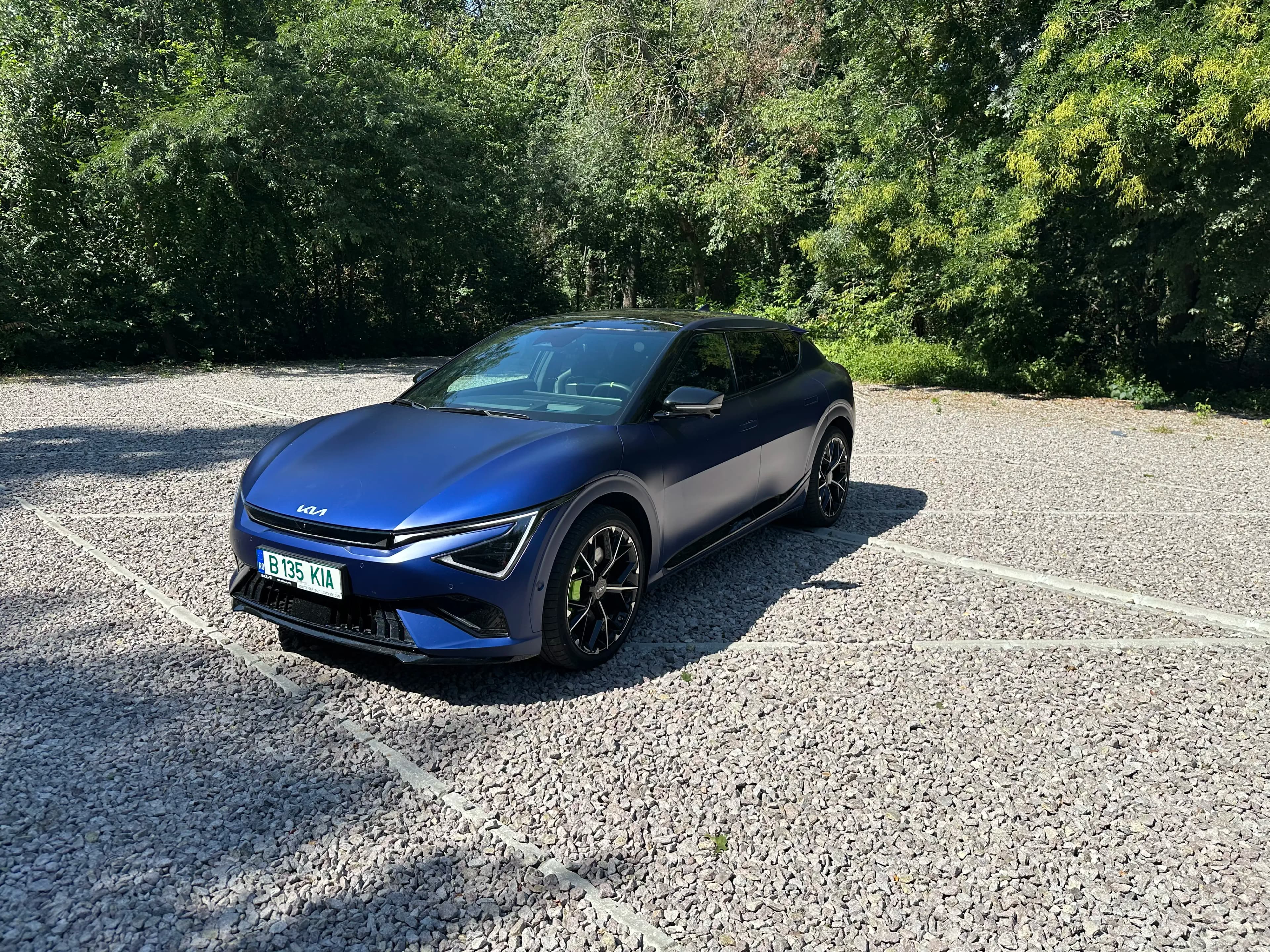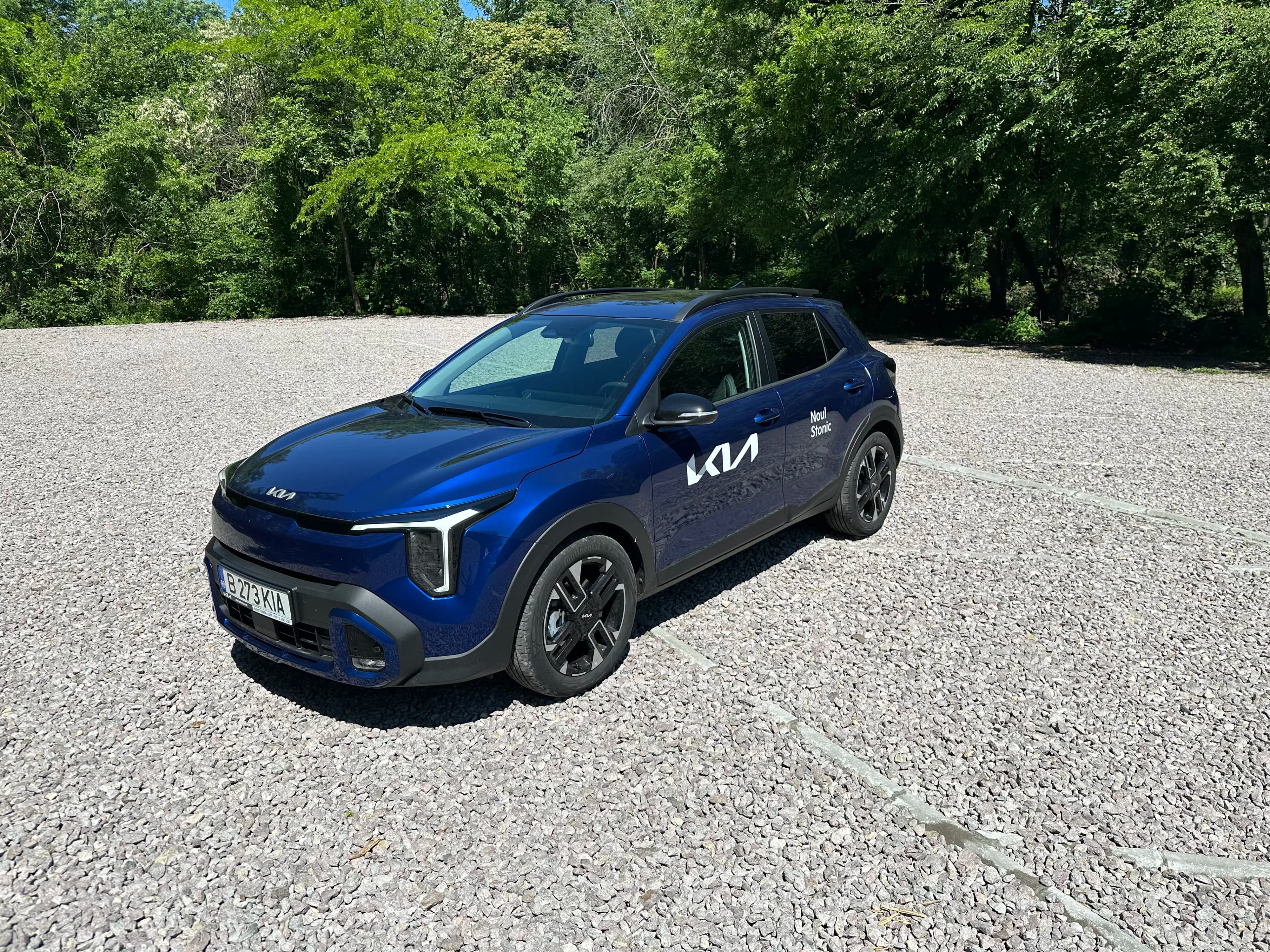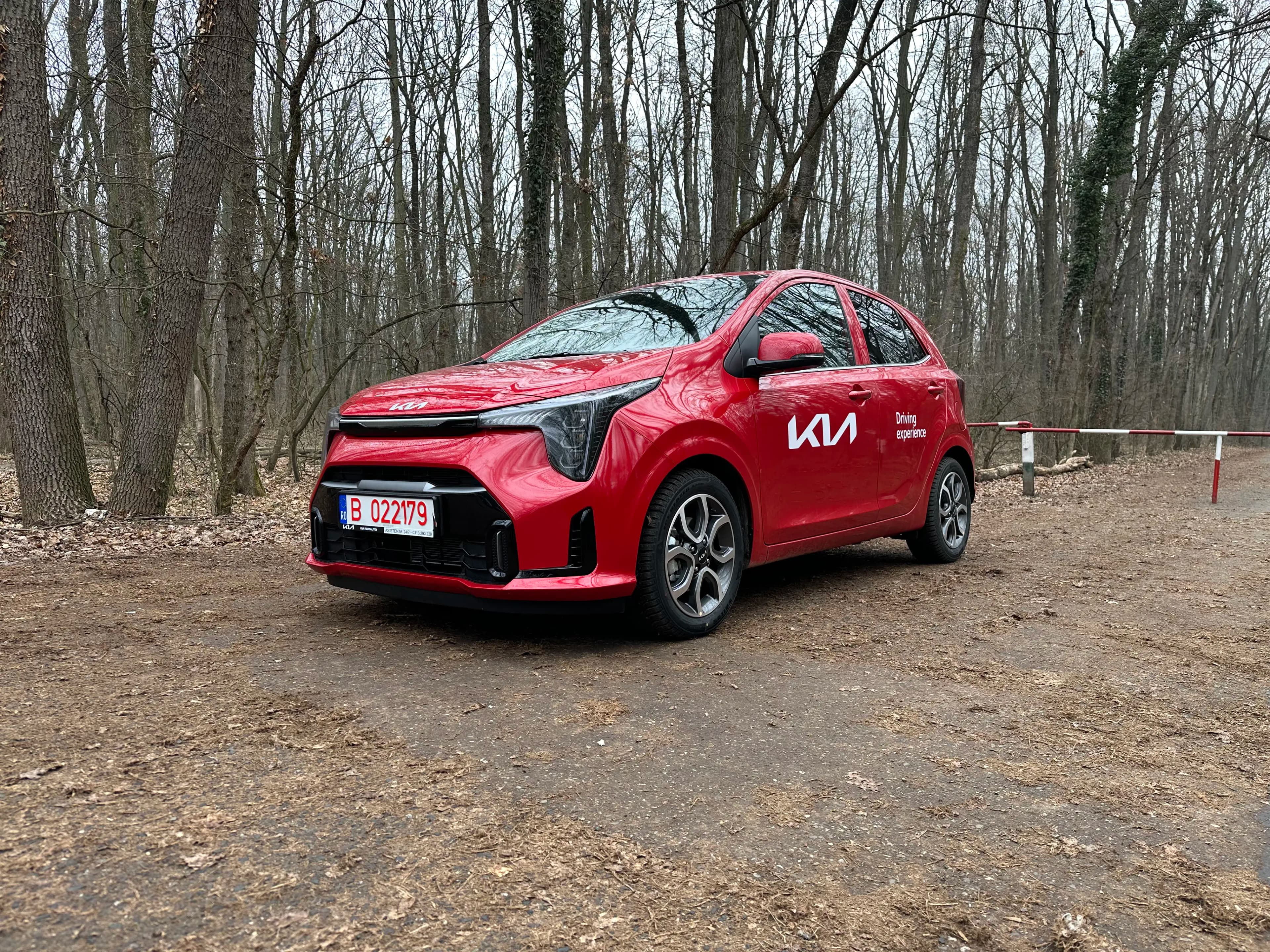
In the city-car class, the Kia Picanto remains a sensible pick for urban drivers who want efficiency, comfort and style in one small package. The latest iteration refreshes exterior design and cabin quality while keeping the brief clear: easy urban miles.
Picanto still sits among segment leaders as city cars grow more crowded, combining modern tech, fuel efficiency and agile handling. We look at engines, interior comfort, driver assistance and value, plus rivals and running costs.
Design
Picanto looks modern and playful without feeling toy-like. Body lines are sharp; the refined “Tiger Nose” grille dominates the front. LED headlights on upper trims add sophistication and night visibility. A slightly sloping roofline and compact footprint signal city agility.
The rear is clean, with horizontal LED lamps and reflector details; some trims add a styled diffuser. Colour choices span loud reds and blues to sober metallics.
Interior
Materials and fit beat typical class expectations. The layout is driver-focused; analogue and digital elements blend around a well-integrated touchscreen. Soft-touch areas on the dash and doors lift perceived quality.
Front seats offer decent support; head and leg room up front is generous for the size. Two adults fit in the rear, though tall passengers will find leg room tight on long trips. Large glass areas aid visibility and brightness.
Technology
Infotainment is a strong point. Touchscreens up to 8 inches are responsive; Apple CarPlay and Android Auto are supported. Audio quality is good, with upgrades available. Bluetooth is standard; USB ports front and rear and optional wireless phone charging appear on higher trims. A digital instrument cluster is available on selected grades.
Engines and driving
Petrol choices are 1.0-litre (67 hp) for pure city use and 1.2-litre (84 hp) for occasional out-of-town work. A five-speed manual is standard; an automatic is optional for traffic comfort.
Steering is precise enough for tight streets and parking. Suspension balances comfort and control over broken urban surfaces.
Safety
ADAS kit is generous for a city car. Forward collision avoidance can warn and brake for vehicles, pedestrians and cyclists. ESC and hill-start assist are standard, along with tyre-pressure monitoring. Upper trims add lane-departure warning and lane keeping.
Efficiency and costs
Combined consumption is about 4.5 l/100 km for the 1.0 and about 5 l/100 km for the 1.2, depending on driving and traffic. Simple mechanicals and Kia’s 7-year/150,000 km warranty help keep ownership costs predictable.
Rivals
Against Volkswagen up!, Picanto offers more interior space and safety tech; up! feels slightly more refined but Picanto counters on price and warranty. Versus Toyota Aygo, Picanto’s cabin feels more premium with broader engine choice and richer infotainment. Hyundai i10 shares much hardware; Picanto leans more dynamic in styling and personalisation.
Urban use
Compact dimensions and a tight turning circle make Picanto easy in narrow streets. Visibility is a plus. Suspension copes with potholes; start-stop on most versions cuts fuel use in queues.
Boot space is 255 litres seats up—generous for the class—and 1,010 litres folded. Split 60/40 rear seats and plenty of cabin storage add practicality; some trims offer a two-level boot floor.
Equipment
Base cars include air conditioning, Bluetooth audio and steering-wheel controls. Higher levels add alloy wheels, navigation, reversing camera and synthetic leather. GT-Line adds sport styling and larger wheels. Options such as wireless charging, automatic climate and heated seats are available.
Verdict
Picanto combines attractive design, a well-finished cabin, strong equipment for the class and good efficiency. Rear space limits long-distance adult comfort, but that is normal here. For first-time buyers or anyone downsizing for city life, it remains a smart, economical city car.