Photo: Xupai Power. Press image.
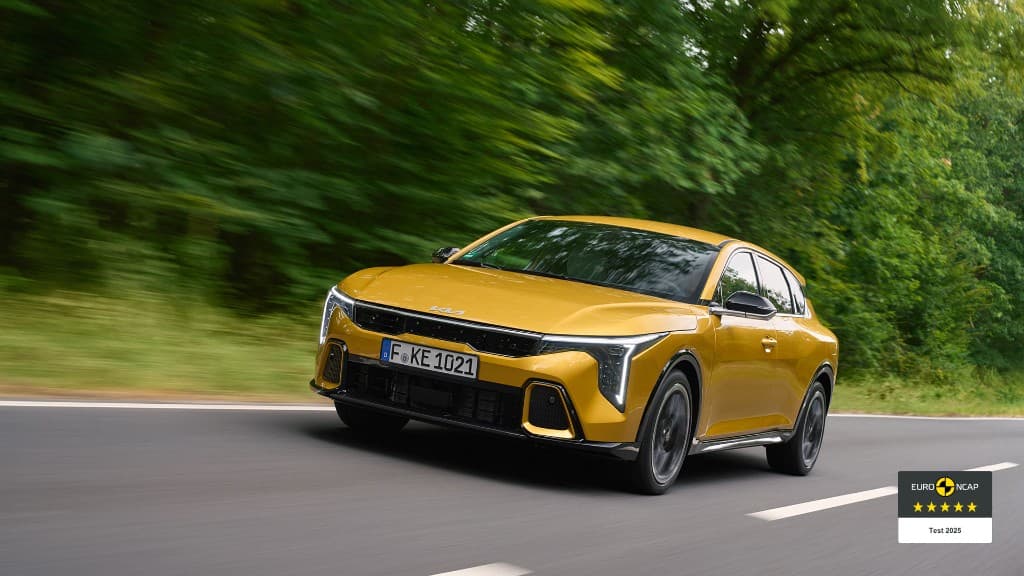
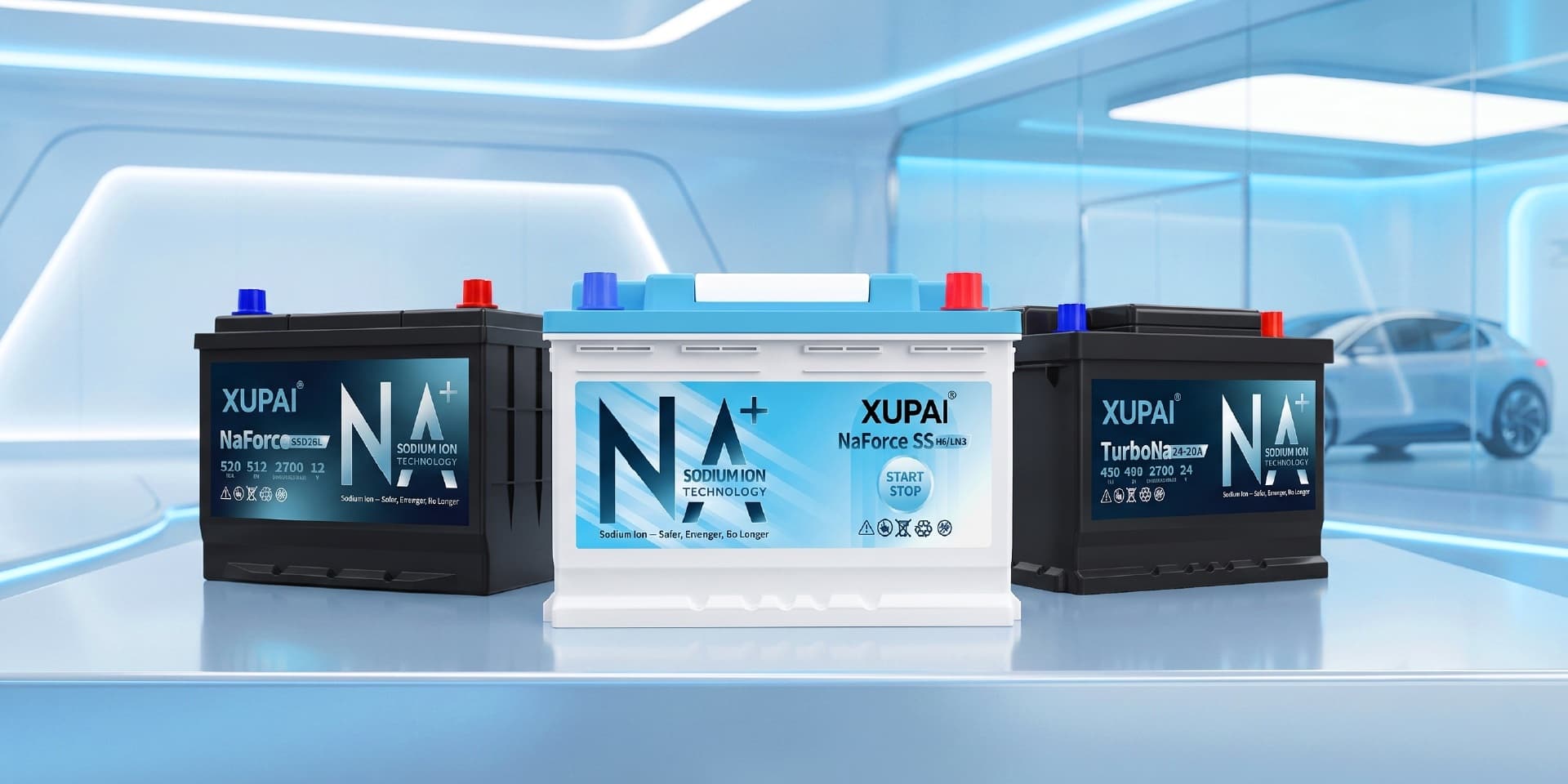
Arcfox, the electric-car brand of China’s BAIC group, will use sodium-ion batteries to power low-voltage systems. Supplier Xupai Power estimates that the project will cover at least 200,000 vehicles from 2027, according to information published by Automotive News Europe.
The change is significant, but it does not mean the large battery that drives the car will switch to sodium-ion. The new Xupai units will take the role of the auxiliary battery already found on today’s electric cars.
What the auxiliary battery does in an electric car
Even with a traction pack of tens of kWh, an electric car keeps a separate low-voltage network. It powers the lights, infotainment, central locking, computers and other equipment when the high-voltage circuit is off.
The auxiliary battery is also needed to “wake” the car’s electronics and connect the main pack. If it is discharged or fails, the electric car can refuse to start even though the traction battery still has enough energy.
Xupai says its sodium-ion system for Arcfox will provide continuous power for low-voltage consumers and a reserve for essential safety functions.
Why sodium-ion instead of lithium or lead
For an auxiliary battery, energy density matters less than cost, service life and behaviour at extreme temperatures. Sodium is abundant and can reduce dependence on raw materials specific to lithium-ion cells.
The manufacturer states that its batteries operate between -40°C and 80°C and exceed 5,000 deep-discharge cycles. Xupai also cites better thermal stability, but these figures are company data, not the results of an independent test on series-produced Arcfox cars.
The cells include an electronic battery-management system and communication with the car. Xupai is preparing solutions for 12, 24 and 48 V networks, but has not yet published the list of Arcfox models that will receive the first units.
China’s first series application in this role
Xupai describes the collaboration with BAIC New Energy as the first use by a Chinese manufacturer of a sodium-ion battery in a low-voltage system for passenger electric cars. The company says it has obtained Arcfox supplier status, without detailing pack capacity, mass or the price difference versus the current solution.
A volume of 200,000 cars would turn the auxiliary battery into a fast industrialisation path for sodium-ion technology. The requirements are easier to meet than for a traction pack, where mass and stored energy affect range directly.
What it means for the European market
Arcfox currently has no official offer in Romania. The project remains relevant for European manufacturers, however, because auxiliary batteries are used on electric cars regardless of market, and the shift to 48 V architectures increases demand for more durable and lighter solutions.
Widespread adoption will depend on real production cost, reliability after several years and recycling. The Arcfox–Xupai agreement does not yet prove that sodium will replace lithium in the traction battery, but it shows that this chemistry can enter cars first in a less visible role that is essential to how they operate.
Sources: Xupai Power – official announcement of the collaboration with BAIC Arcfox, Xupai Power – low-voltage automotive battery range, Automotive News Europe – Arcfox adopts the sodium-ion auxiliary battery