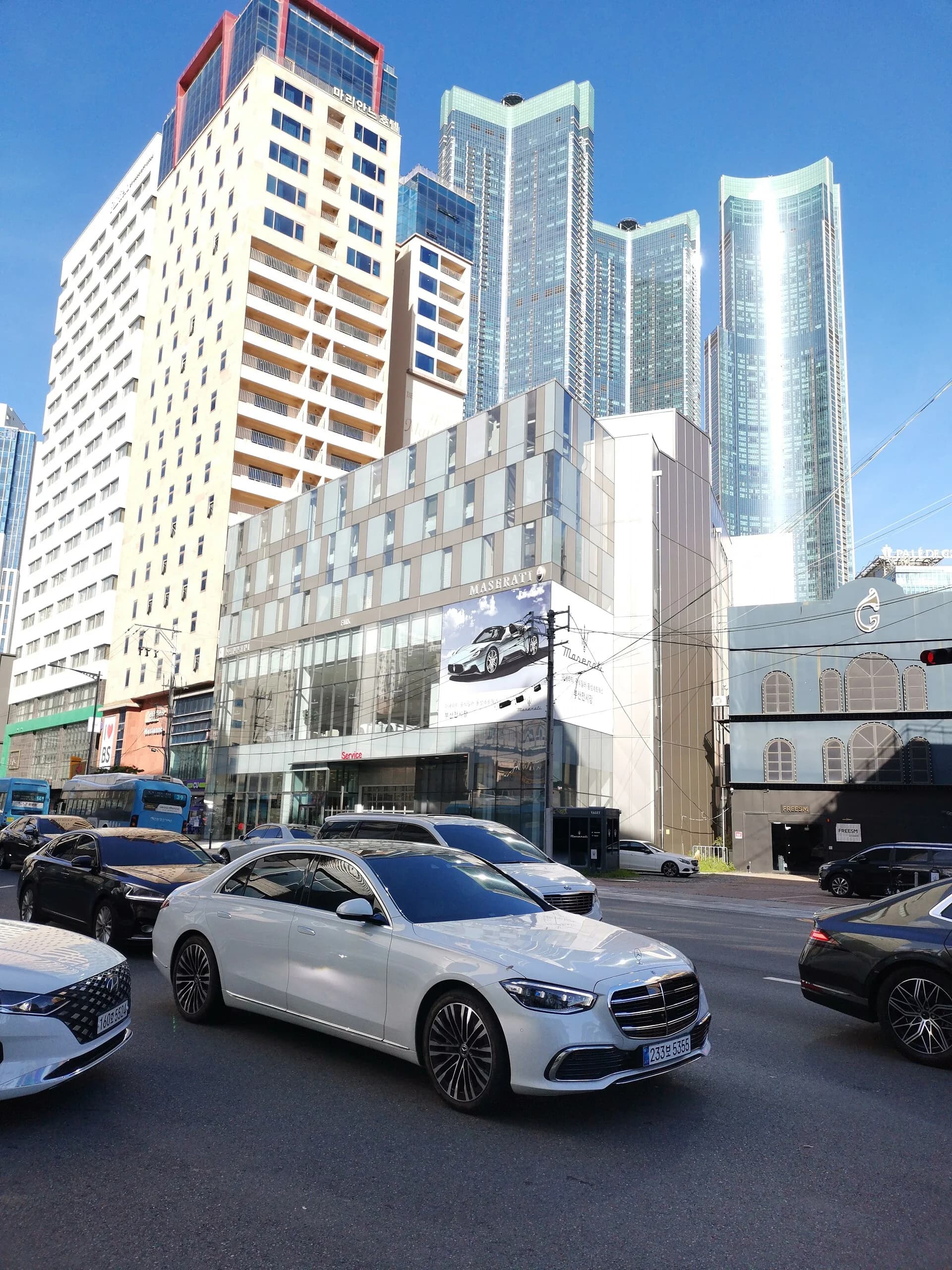
Illustrative photo of a Mercedes-Benz S-Class W223. Photo: Nord794ub / Wikimedia Commons, CC BY-SA 4.0. The image is not from Motor1 and does not show the failed component.
Mercedes-Benz recalls 30,064 S-Class cars over front brake hoses
Mercedes-Benz USA, LLC has reported a safety recall covering 30,064 vehicles to the US National Highway Traffic Safety Administration. Recall 26V638000 concerns selected Mercedes-Benz S-Class and Mercedes-Maybach sedans from the 2022–2025 model years. The issue is a possible rupture of a front brake hose, which can allow brake fluid to escape.
NHTSA says a brake-fluid leak can increase the distance required to stop and therefore raise the risk of a crash. The figure of 30,064 is the number of potentially involved vehicles in the campaign. It is not a count of confirmed failures, accidents or vehicles that necessarily need the same repair after a VIN check.
Models named in the campaign
The recall lists six model lines. The Mercedes-Benz S 500 4MATIC and S 580 4MATIC are covered for model years 2022 through 2025. The plug-in hybrid S 580 E 4MATIC is listed for model years 2023 through 2025. The Mercedes-Maybach S 580 4MATIC and S 680 4MATIC are listed for model years 2022 through 2025. The performance-oriented Mercedes-AMG S 63 E Performance is listed for model years 2024 and 2025.
The production window runs from 2 February 2021 to 28 November 2024, according to the recall record. That date range does not replace a VIN search. Vehicle recalls often apply to a subset of a model-year population because the affected parts, production batches or software versions are identified at VIN level.
The campaign is a Mercedes-Benz USA action for the US market. A matching S-Class model sold in Europe should not be treated as automatically included. Owners of imported US-market cars can check the VIN in the NHTSA database and contact Mercedes-Benz USA. Owners of European-market cars should use the local Mercedes-Benz network and the recall system applicable to the country where the vehicle was sold.
Why a brake hose matters
The hydraulic brake system relies on fluid pressure to transfer pedal input to the brakes at each wheel. Rigid lines run through the vehicle, while flexible hoses connect those lines to components that move with the steering and suspension. The hoses must tolerate pressure pulses, repeated flexing, vibration, temperature changes and exposure to water, salt and road debris.
If a front hose ruptures, fluid can leak from the circuit and hydraulic pressure can fall. The exact pedal response depends on the system and on the location and severity of the leak, but the practical concern is a reduction in braking performance or a longer stopping distance. This is why NHTSA classifies the issue as a safety recall rather than a routine maintenance item.
The public summary does not state that every vehicle must be parked immediately or that every driver must stop using the car before a VIN check. Owners should nevertheless treat a brake warning light, a soft or sinking pedal, visible fluid around a wheel or an unexpected change in braking as a reason to stop in a safe place and seek professional assistance.
The announced remedy
Mercedes-Benz dealers will replace the front brake hoses at no charge, according to the NHTSA record. Owner notification letters are expected to be mailed on 27 November 2026. That is the date listed for the planned mailing; it is not proof that every owner has already been contacted.
The new campaign expands the scope of an earlier Mercedes-Benz brake-hose recall, NHTSA campaign 25V116. An earlier repair should not be assumed to settle the new campaign. Owners should run the VIN search again and ask a dealer to explain whether the vehicle has an open campaign, whether a previous repair is recorded and which parts are required.
The US record gives Mercedes-Benz USA customer service number 1-800-367-6372. NHTSA’s recall lookup is the appropriate way to check whether a particular vehicle is listed and whether an open remedy remains. Recall information can be updated as the manufacturer submits additional documents or as the agency adds VIN data.
What owners in Europe should do
The first step is to establish the vehicle’s market. A US-imported S-Class may appear in the NHTSA database, while a car delivered through a European importer may be tracked in a different system. The model name and model year alone do not establish eligibility.
Owners should not order a part solely by copying the US campaign number. Part numbers, supplier specifications and repair instructions can vary by market. The authorised dealer should confirm the campaign, order the correct parts and record the repair against the VIN.
Keeping the recall notice and the repair order is useful. The documents show what was checked and what was replaced, which can matter when a car is sold or inspected. Buyers of used S-Class cars should ask for an official open-recall check rather than relying only on a commercial vehicle-history report.
Confirmed facts and limits
The confirmed facts are the campaign number, the reporting company, the potentially affected population, the six model lines, the model years, the production window, the described safety consequence and the free dealer remedy. The public summary does not say that this expanded campaign has caused crashes or injuries. It also does not say that every vehicle in the listed model range contains the defect.
This is therefore a US-market recall for specified vehicles, not a statement that every S-Class worldwide has a brake-hose problem. A VIN check remains the decisive step for an individual car.