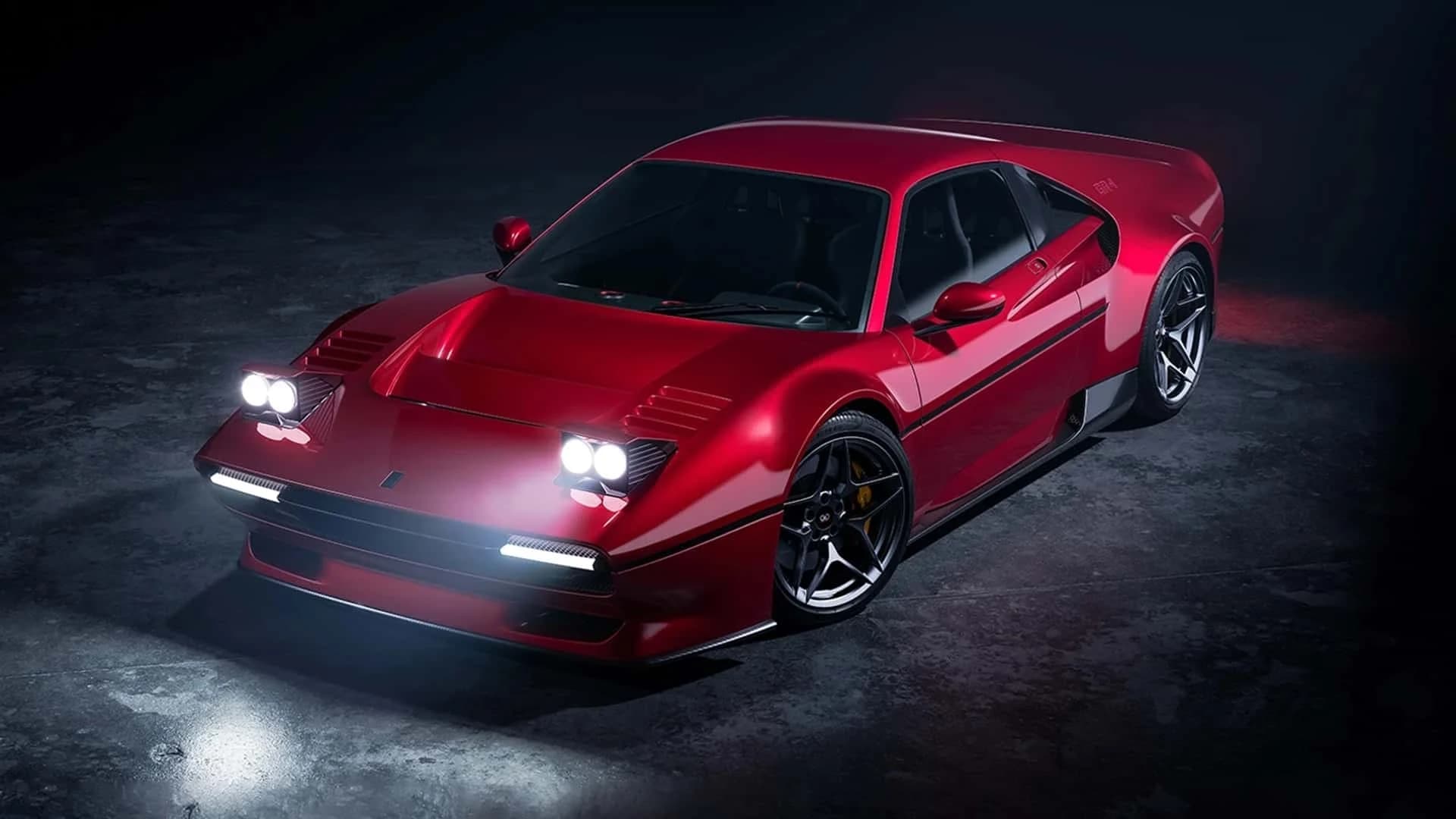
The Michelotto Gruppo 4 Tributo is a new two-seat sports car built by AC Motorsport and Michelotto as a modern tribute to the Ferrari 308 GTB that received FIA Group 4 homologation in 1976. It uses a naturally aspirated 3.4-litre V8, rear-wheel drive, a five-speed manual gearbox and a declared mass of 950 kg. The project was unveiled in Padova, Italy, and is presented as a new construction rather than a restomod based on an existing Ferrari.
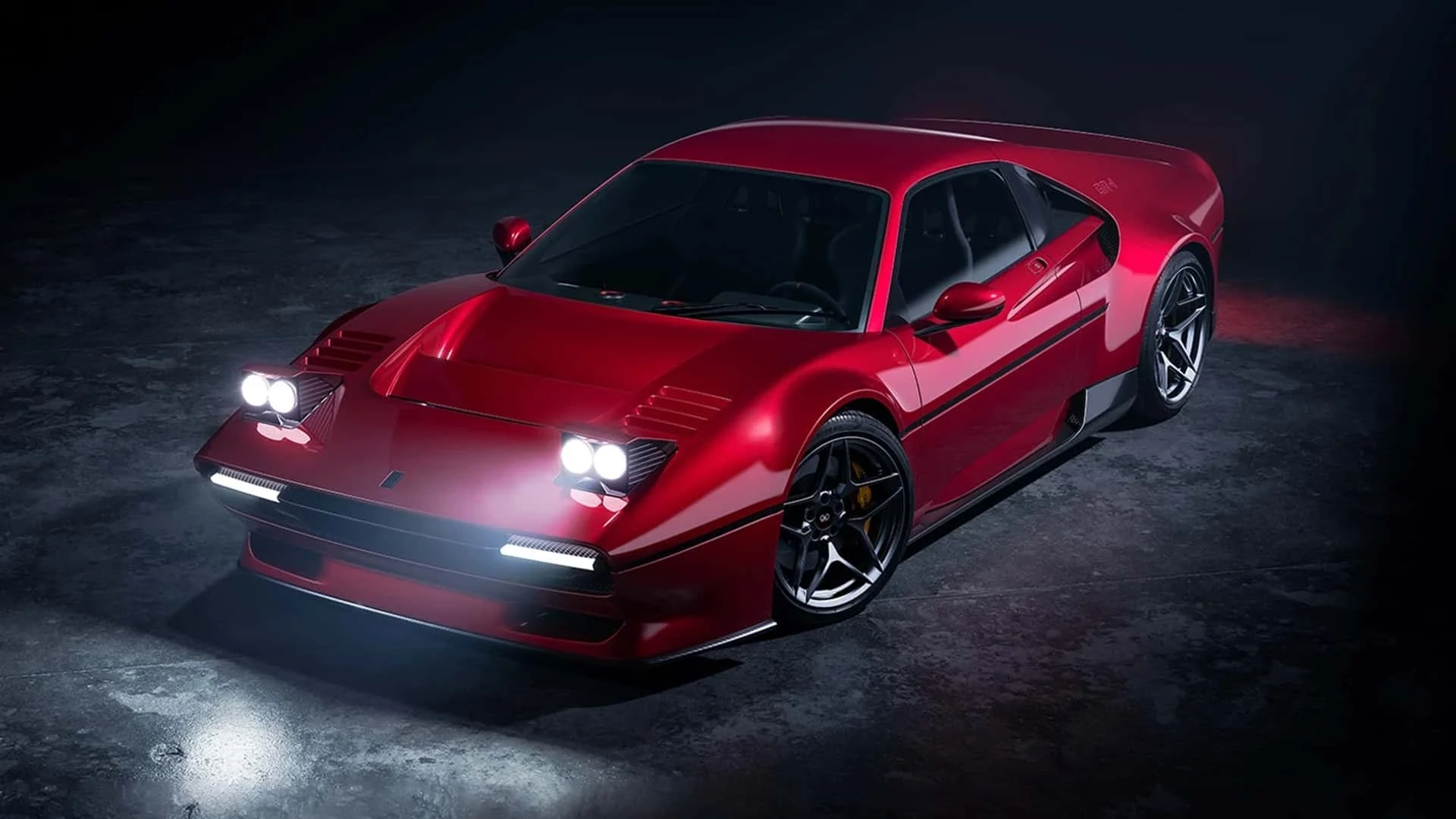
Image from the Motor1 gallery, credited to AC Motorsport. Reuse rights have not been independently verified.
A new car with a specific historical reference
The name is not a generic reference to old rally cars. The FIA Historic Database lists the Ferrari 308 GTB under Group 4 homologation number 648, dated 2 November 1976. The archived entry records an eight-cylinder, rear-wheel-drive car with a 2,927 cm³ engine. Its Group 4 homologation ended on 1 January 1982.
Michelotto later became closely associated with competition versions of the 308 GTB. The new car uses that history as its starting point, but it does not reproduce the original chassis or claim to be a Ferrari-built continuation model. AC Motorsport and Michelotto describe the Gruppo 4 Tributo as an independently constructed car that carries the old car's visual and engineering spirit into a contemporary package.
That distinction matters for both buyers and historians. A donor-based restomod normally keeps the identity and much of the structure of the original vehicle. This car instead uses a bespoke tubular frame, an integrated roll cage and composite body panels. Its connection with the 308 is therefore easiest to understand as a design and motorsport reference, not as a factory Ferrari programme.
A naturally aspirated V8 and a manual gearbox
The engine is a 3.4-litre naturally aspirated V8 mounted transversely in a rear-mid position. Michelotto's published technical information gives a maximum output of 380 hp at 8,250 rpm. The engine has lightweight-alloy construction, four overhead camshafts and two valves per cylinder. Electronic injection is calibrated for 98-octane petrol.
The absence of turbocharging or hybrid assistance keeps the mechanical specification straightforward. It does not, by itself, prove how fast the car is. No verified 0–100 km/h time or top-speed figure was available in the official material reviewed for this article, so those numbers should not be inferred from the power-to-weight ratio.
Power reaches the rear wheels through a five-speed manual transmission with a dog-leg first-gear layout. The arrangement puts first gear below reverse and leaves the higher gears in a straight plane, a configuration associated with competition gearboxes. Italian reports on the project also mention several available final-drive or gear-ratio sets, allowing the transmission to be adapted to different routes or uses. The exact standard specification for every customer car has not been published.
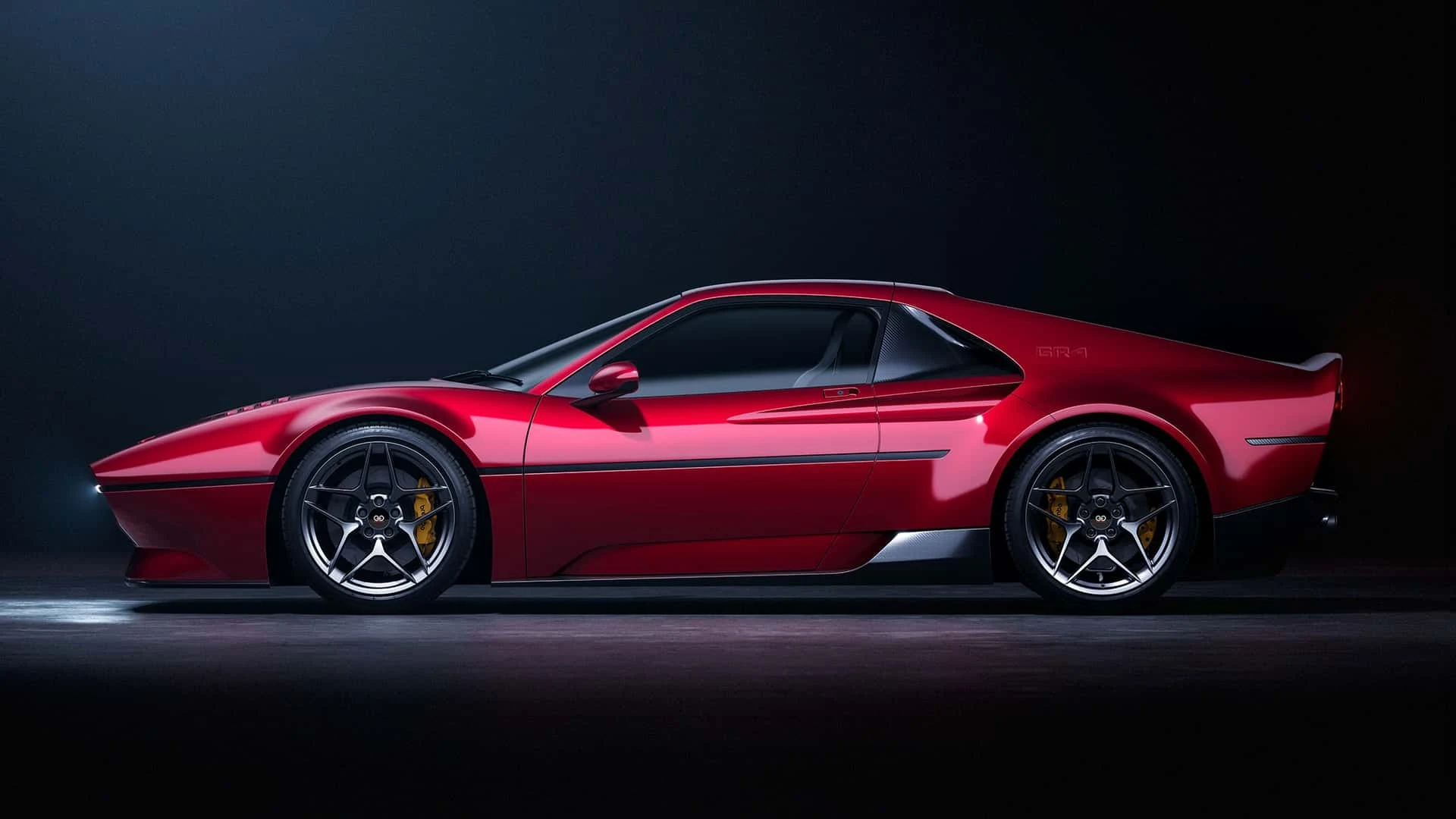
Side profile from the same AC Motorsport gallery.
Tubular structure and composite panels
The car's structure uses a tubular frame with elliptical members and composite panels. The roll cage is integrated into the chassis. This is a different engineering solution from the road-going Ferrari 308 GTB and is one reason the Tributo should not be described as a lightly modified old Ferrari.
The body keeps the compact proportions associated with a mid-engined berlinetta: a low nose, a set-back cabin, broad wheel arches and air intakes behind the doors. The front lighting, rear lamps and clamshell openings reference the rally car without reproducing every original detail. The gallery photographs show large front and rear sections opened around the mechanical hardware, making the car's service-oriented construction visible.
The declared 950 kg figure is a major part of the project's identity, but its measurement conditions must be kept in view. Reports describe the mass with fluids on board but without fuel. That is not necessarily the same as a regulatory kerb weight for every market. The manufacturer has not published a complete homologation sheet that would allow a direct comparison with current production cars.
Suspension, brakes and tyres
The technical description includes double-wishbone suspension on both axles, adjustable dampers and adjustable anti-roll bars. Four-piston brake calipers work with ventilated discs measuring 345 x 28 mm at the front and 328 x 28 mm at the rear. The steering uses a direct rack, another choice consistent with the project's focus on feedback rather than isolation.
Light-alloy wheels are fitted with Pirelli Trofeo RS tyres. These are high-performance tyres and their presence tells us something about the intended use, but it does not create a certified lap time or make the car a competition vehicle. Road legality, maintenance intervals, noise compliance and market-specific approval remain open questions until Michelotto or AC Motorsport publishes the relevant documentation.
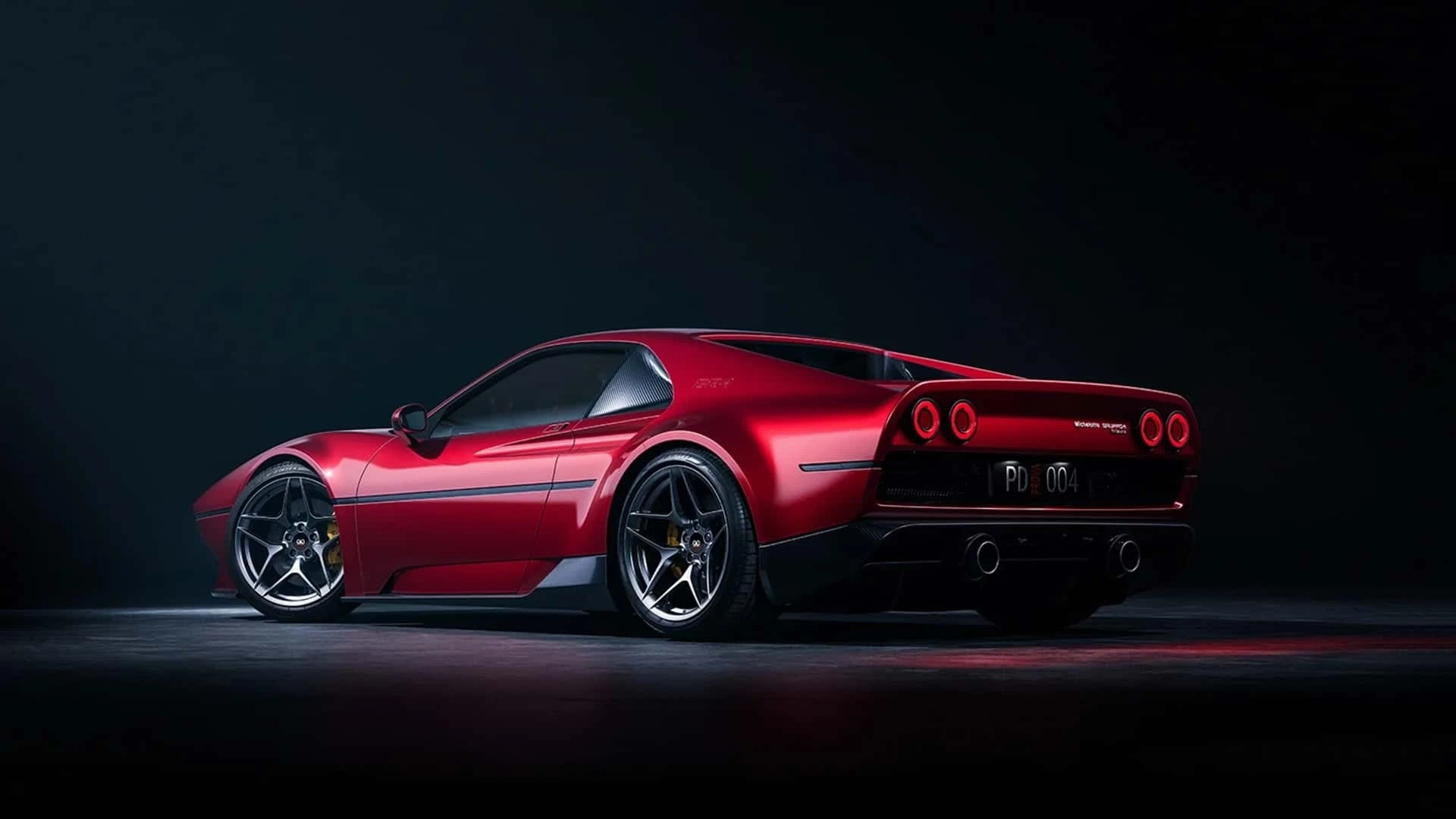
Rear view from the Motor1 gallery, credited to AC Motorsport.
A focused two-seat cabin
The cabin follows the same logic as the chassis. The photographs show two composite-shell seats trimmed in Alcantara, four-point harnesses, a three-spoke steering wheel and a digital instrument display. Physical controls remain visible, while there is no evidence of a large central infotainment screen in the published gallery.
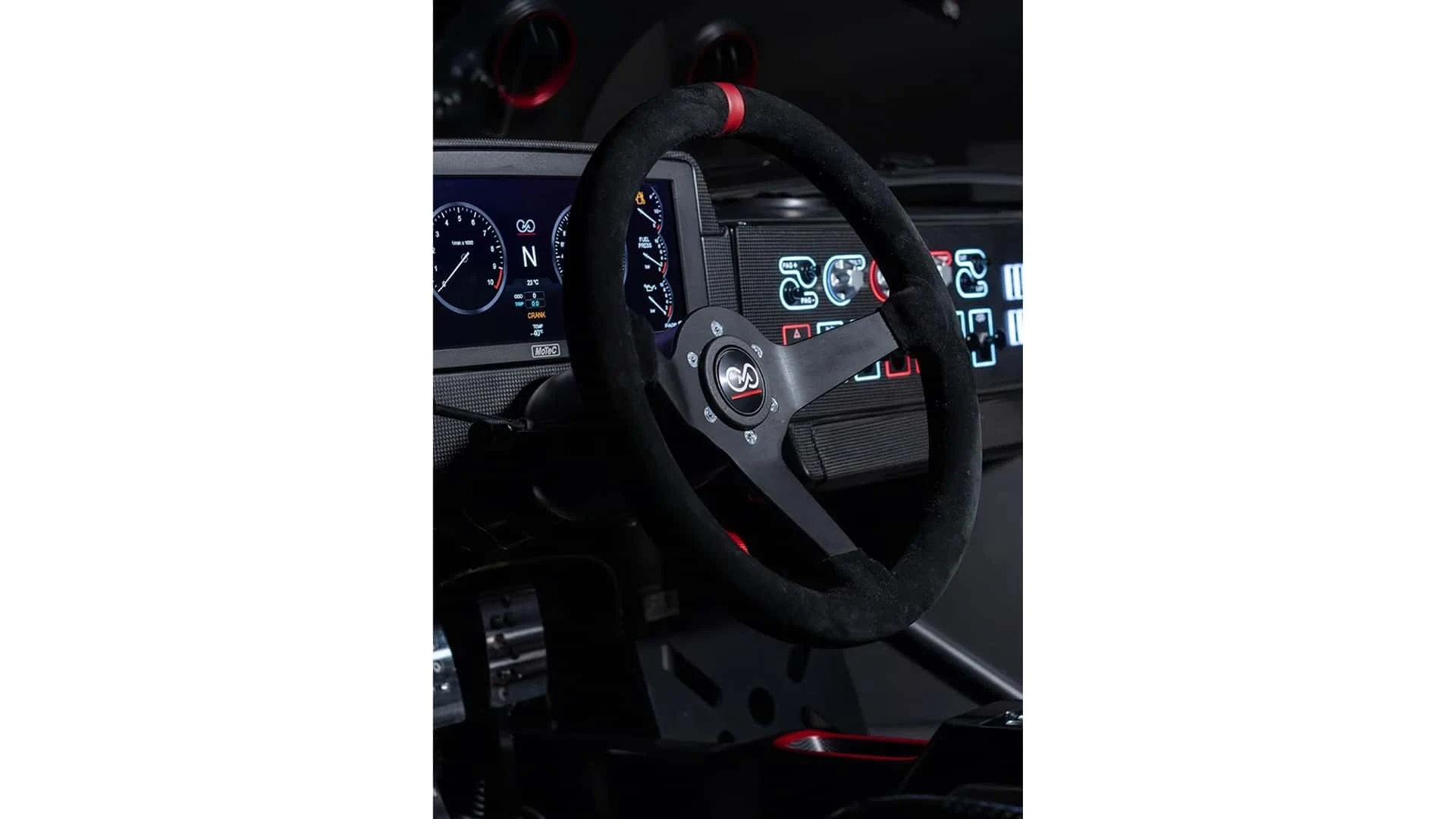
Interior image from the Motor1 gallery, credited to AC Motorsport. Reuse rights have not been independently verified.
That layout is appropriate for a car designed around the driver, but it also defines the practical compromises. Two seats, a competition-style harness and limited published information about luggage capacity point to a specialist vehicle rather than a grand tourer. The project may be usable on the road, yet no full equipment list, comfort specification or customer-configurator information has been announced.
Price, production and what is still unknown
The public presentation establishes the car's origin, mechanical concept and historical reference. It does not establish a final retail price, a confirmed production volume, a delivery schedule or official availability in any particular country. Some media reports have suggested a very limited run and a price above €450,000, but those figures were not confirmed in the official Michelotto material reviewed here and should be treated as unconfirmed.
For now, the most accurate description is a low-volume, 380-hp sports car with a naturally aspirated V8, a manual gearbox and a composite body, designed by a company with a documented competition history and inspired by the Ferrari 308 GTB Group 4. It looks back to the rally era without pretending to be the original car. Until the builders release homologation, pricing and production details, the technical specification is clearer than the business case.