Stellantis is expanding its lithium-iron-phosphate battery strategy as European carmakers look for more affordable electric vehicles and a more resilient supply chain. The group and CATL have announced a joint venture investment of up to €4.1 billion in a battery plant at Zaragoza, Spain. The facility could eventually reach 50 GWh of capacity, with production targeted for the end of 2026. Both the capacity and the timing remain subject to market conditions, regulatory support and the ramp-up of the industrial project.
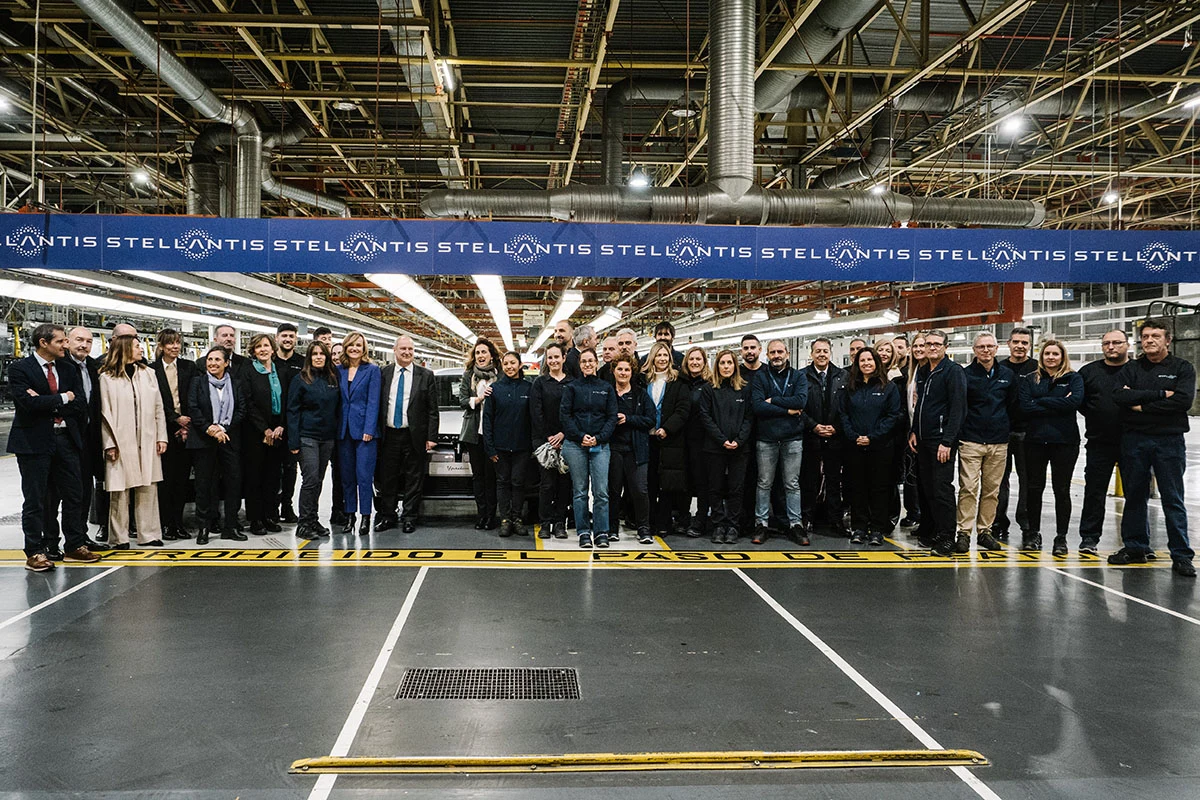
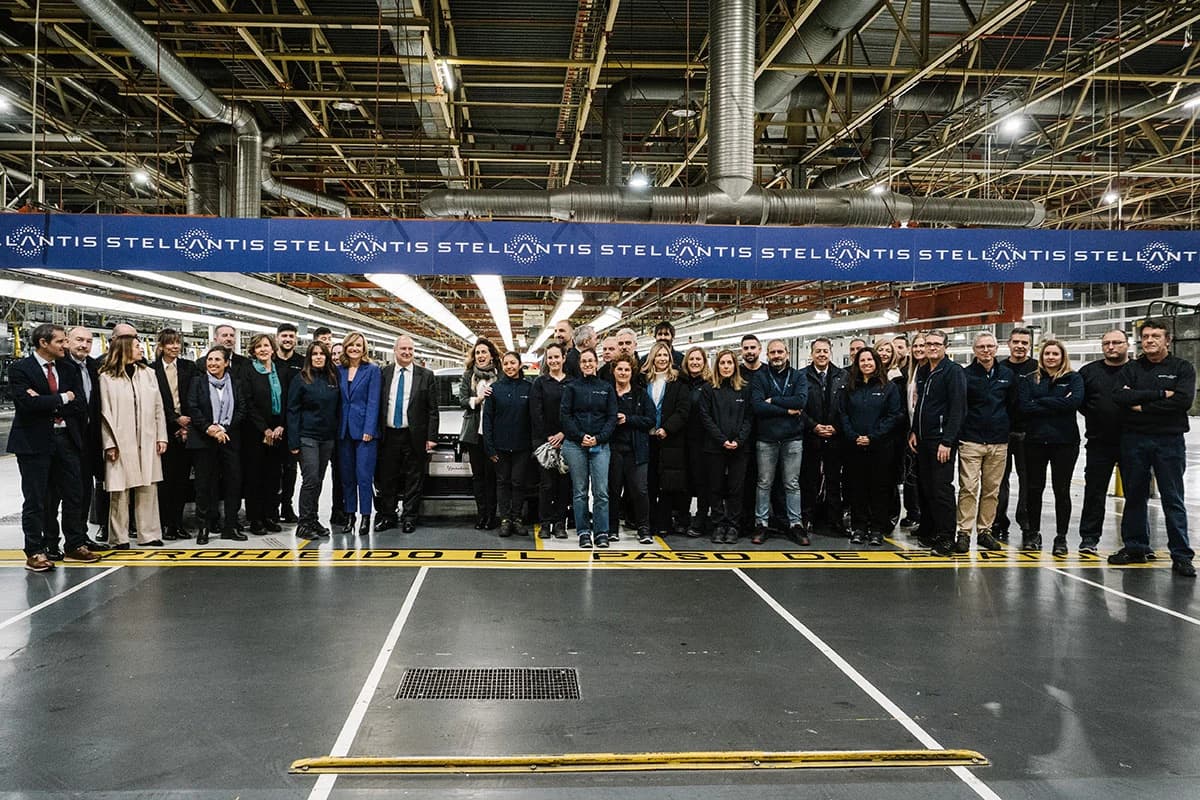
Image: Spanish Government, La Moncloa. The photograph shows the official Stellantis-CATL industrial project and is used on the basis of the institution's published image.
From a non-binding memorandum to an industrial project
The European cooperation began with a memorandum of understanding signed by Stellantis and CATL in November 2023. It was non-binding and covered a technology roadmap, local supply of LFP cells and modules, and possible ways to strengthen the battery value chain. At that point, there was no final plant location or announced production capacity.
The partnership became a defined industrial plan in December 2024. Stellantis and CATL announced a 50-50 joint venture to build a battery plant at Stellantis' Zaragoza site. The investment may reach €4.1 billion, and the companies say the facility is designed to operate as a carbon-neutral plant. Production is planned in phases. The eventual 50 GWh capacity depends on the European electricity market and continued support from Spanish and European authorities.
In November 2025, Contemporary Star Energy, the joint venture created by the two companies, held a groundbreaking ceremony at the site. That milestone should not be confused with full series production. The end-of-2026 target is a plan, not evidence that the plant is already producing cells at its final capacity.
Why LFP matters for affordable models
LFP is not the right chemistry for every electric vehicle, but it has characteristics that suit volume segments. It does not use nickel or cobalt, materials associated with higher costs and supply-chain exposure. Stellantis and CATL highlight long service life and high thermal stability, while Stellantis wants to make battery-electric passenger cars, crossovers and SUVs in the B and C segments more accessible.
The trade-off is lower energy density than some nickel-based chemistries. For a similar driving range, an LFP pack may require more space or a larger nominal capacity. For a small urban car or compact family model, however, controlling price and ownership costs can matter more than achieving the longest possible range. LFP does not automatically make every car cheaper: the final price also depends on the platform, equipment, manufacturing, taxes and commercial strategy.
The Citroën ë-C3 is an existing example
The Citroën ë-C3 provides a concrete example of how this approach can work in a Stellantis product. Official technical information lists a 44 kWh battery, an 83 kW electric motor and up to about 320 km of WLTP range. A 100 kW DC charger can take the battery from 20 to 80 percent in about 26 minutes, according to Citroën's published specifications.
Those figures belong to the ë-C3 and should not be transferred automatically to other vehicles. A compact SUV, a heavier car or a model with different aerodynamics will have different consumption and range. The example shows that LFP is already used in a production Stellantis vehicle; it does not prove that every future model will use the Zaragoza plant or the same battery size.
A dual-chemistry strategy, not an NMC exit
Stellantis describes a dual-chemistry approach. LFP can serve vehicles where affordability, durability and material availability are priorities, while nickel-based batteries can remain important where higher energy density is needed. This gives the group more flexibility to match battery chemistry to vehicle size, range, mass and brand positioning.
In May 2026, Stellantis presented STLA One, a modular architecture planned for launch in 2027. The company said the platform would support more LFP batteries, cell-to-body integration and 800-volt capability. Stellantis argues that these measures can reduce cost, weight and complexity, but they are development objectives rather than guaranteed specifications for every future vehicle.
What Zaragoza could change
European LFP production could make the supply of cells for Stellantis' smaller and medium-sized electric vehicles more predictable and reduce reliance on imports. The project remains exposed to demand for EVs, energy prices, approvals and the ability of the partners to ramp up output. A planned capacity of 50 GWh is not the same as 50 GWh already available to vehicle factories.
For buyers in Europe, including Romania, the factory will not automatically mean lower showroom prices. The result will depend on which vehicles receive the cells, where those vehicles are built, their equipment levels, taxes and distribution costs. The more direct benefit could be a wider choice of compact EVs using a chemistry suited to everyday driving and cost control.
Conclusion
Stellantis is not abandoning higher-density battery chemistries. It is building a portfolio in which LFP can support more accessible electric vehicles, while nickel-based cells remain available for applications that need more energy per kilogram. LFP is already present in the Citroën ë-C3, and the Zaragoza joint venture is intended to expand the technology in Europe. The €4.1 billion investment and possible 50 GWh capacity are significant, but they remain tied to the industrial timetable and market conditions.