Tesla has revealed the new Roadster after years of revised timelines. The company presents it as an all-electric supercar with four seats and all-wheel drive. Tesla’s official product page lists 0–100 km/h in 2.1 seconds, a top speed above 400 km/h, a claimed range of 1,000 km, an 8.8-second quarter-mile time and 10,000 Nm of wheel torque.
Those are manufacturer figures, not Carboratory test results. Tesla also says that the features and specifications shown on the page relate to its optional Thrust upgrade, while the Rocket trim is not available in every region. The Roadster therefore needs to be discussed with its availability and legal qualifications intact, rather than as a single universally configured production car.
A project that began in 2017
Tesla first showed the second-generation Roadster at the 2017 Semi event. The original plan called for production in 2020, but that target passed without customer deliveries. The company and Elon Musk subsequently moved the presentation and production windows several times. The 2026 reveal is a new public presentation of the project; it does not by itself establish that series production or customer deliveries have begun.
The Roadster now serves two purposes. It is a halo product for Tesla, and it is a demonstration of how the company wants to combine electric performance with technology associated with aerospace engineering. The Rocket package is described in terms of an auxiliary thrust system linked to SpaceX. Tesla’s public product information does not provide a complete operating cycle, flight distance, maximum height, noise level or public-road operating procedure.
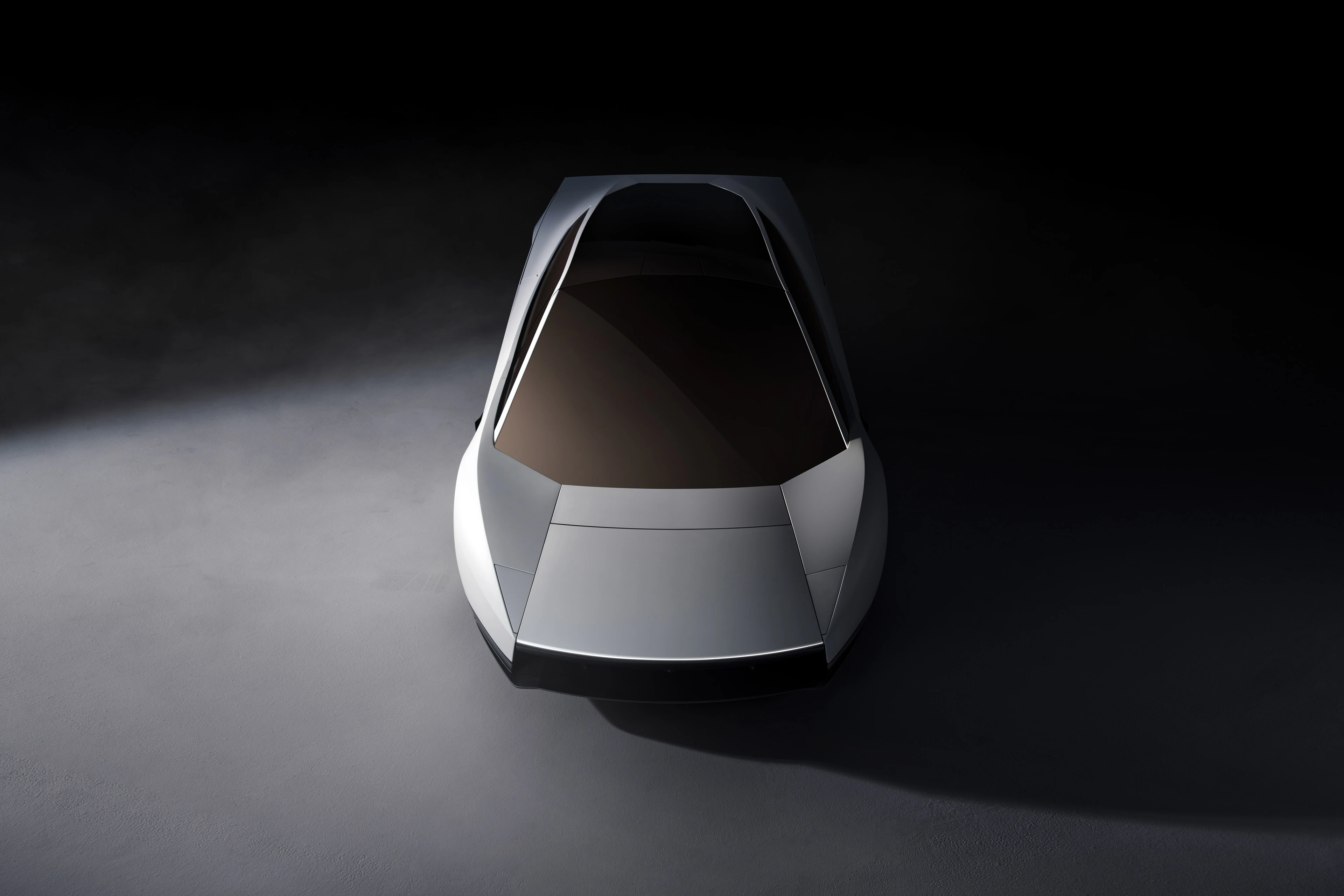
Official Tesla media image, supplied through Tesla’s media library.
What Tesla’s numbers do and do not establish
The claimed 2.1-second 0–100 km/h time places the Roadster in the performance EV category. Tesla also lists 8.8 seconds for the quarter mile. The product page does not give a complete test protocol alongside these figures. It does not specify tyre type, battery state of charge, ambient temperature or whether the numbers apply to the standard car or to the Thrust upgrade. They should therefore be labelled as Tesla claims or targets.
The top-speed figure of more than 400 km/h is another manufacturer claim. Reaching such a speed requires an appropriate tyre, braking, thermal-management and stability package, as well as regional approval. Tesla has not published, on the page consulted, the car’s mass, battery capacity, motor output, drag coefficient or exact brake specification. Without those data, a real-world performance assessment would be premature.
Tesla’s 1,000 km range figure should also not be treated as a distance available in every situation. Speed, temperature, road conditions, wheel choice and driving style all affect an electric car’s range. The product page does not identify a test cycle in the relevant specification block. European readers will want to know how the figure relates to a certified WLTP value once final homologation data are available.
The 10,000 Nm figure is given as wheel torque, not as the torque of one motor. The distinction matters because the transmission can multiply motor torque at the wheels. It cannot be compared directly with the crankshaft torque of a combustion engine. Tesla identifies all-wheel drive and four seats, but the product page does not set out the final motor count or power distribution.
Exterior design and the Rocket system
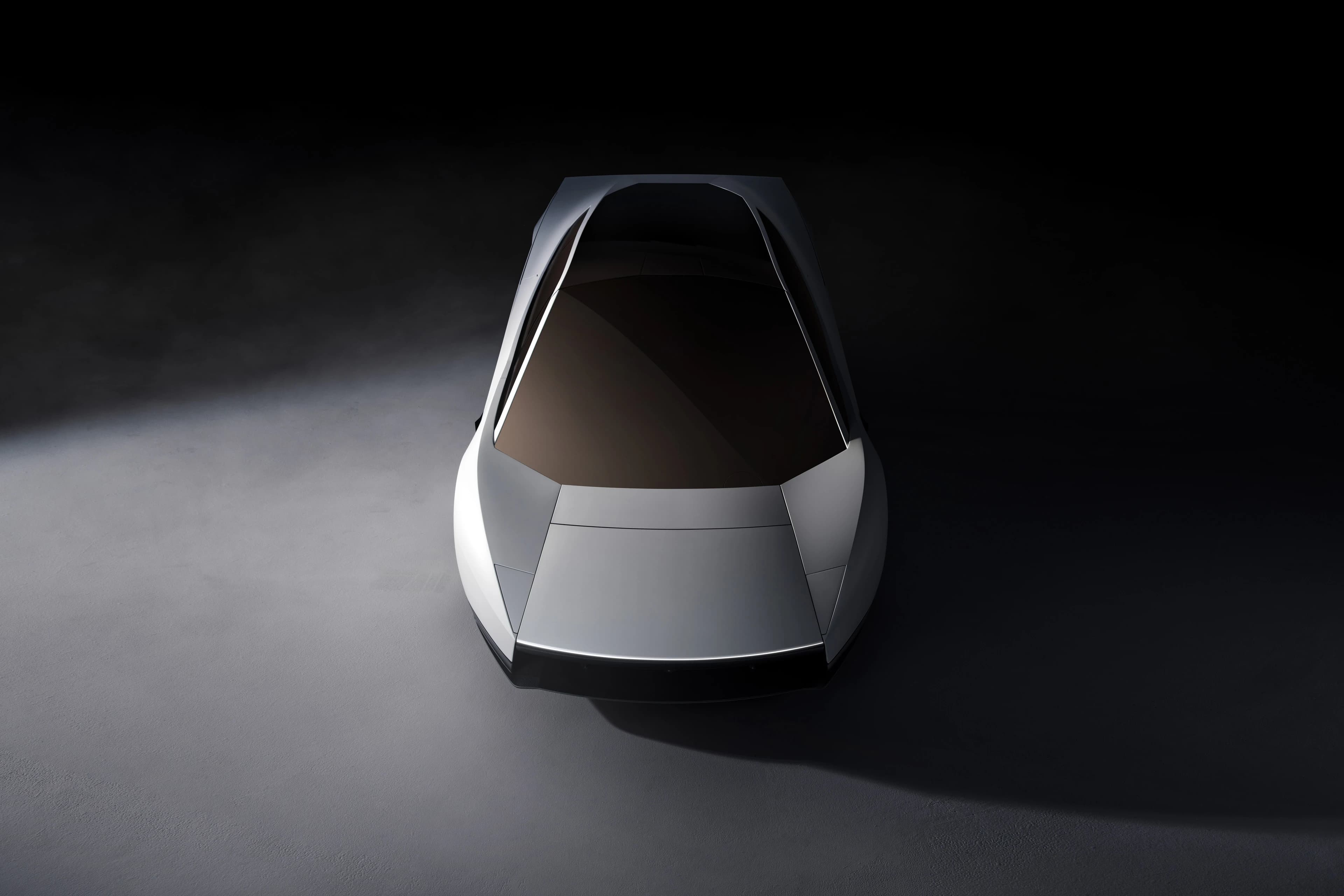
The Roadster has a low body, a steep windscreen and a rear section shaped around aerodynamic surfaces. A full-width rear light signature is one of the most visible features. Tesla’s official media archive includes front, rear and side views, detailed rear images and pictures of the auxiliary propulsion hardware.
The Rocket package is the most unusual part of the reveal. Tesla connects it with SpaceX technology, but the public information available does not provide enough engineering detail to assess fuel or gas storage, operating noise, safety, or the conditions under which the system could be used. Tesla explicitly notes that Rocket is not available in all regions and that availability is subject to local legal requirements.
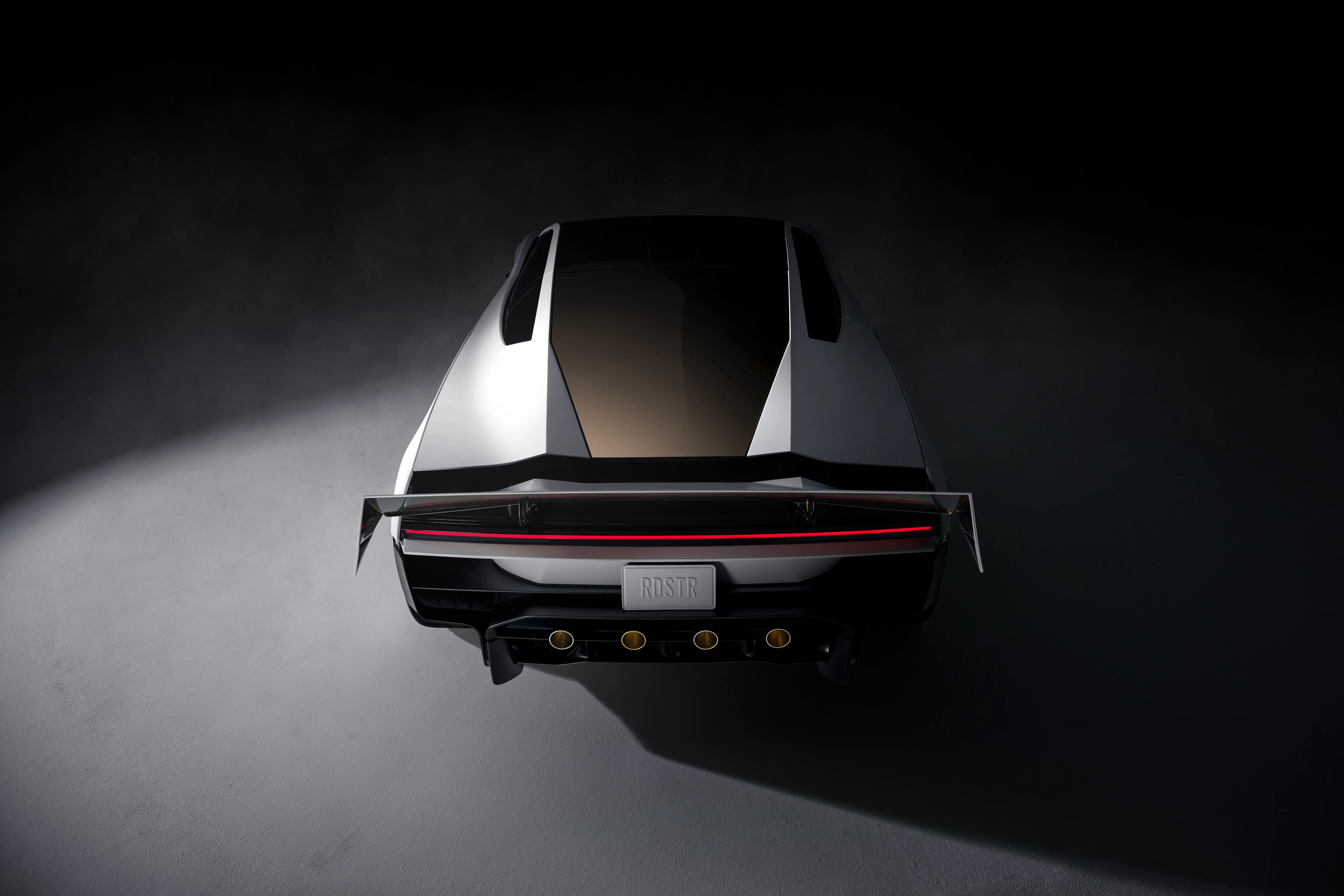
The Roadster’s full-width light signature and rear technical area in an official Tesla image.
The glass roof is described as lightweight and removable, with storage in the trunk. That gives the car a targa-style open-air configuration, but Tesla does not publish the panel’s mass, the remaining luggage volume or the storage conditions in the product summary. These practical details will matter to owners in a way that launch-stage imagery cannot show.
Four seats in a low electric supercar
Tesla describes the Roadster as the first supercar to combine record-setting performance with four seats. The official images show two front seats and a rear pair, together with a yoke-style steering wheel, displays and a substantial centre console. Tesla has not published rear legroom, access dimensions or luggage capacity for the new car.
Seat shape and restraint placement matter in a car advertised with a 2.1-second launch. The media images show integrated headrests and contrasting red details. The available product information does not yet list the adjustment range, restraint-system specifications or the materials associated with each trim.
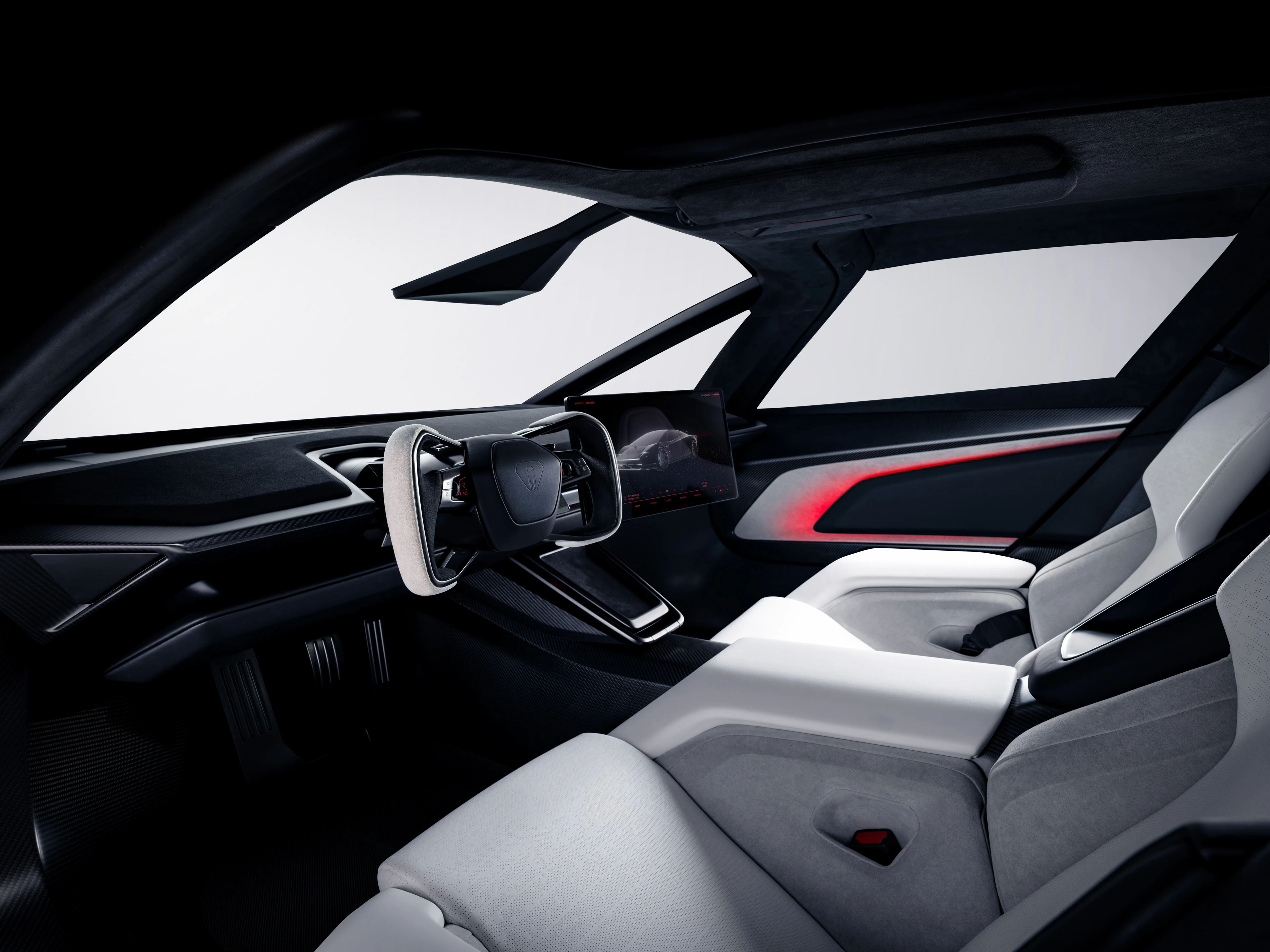
The official Tesla image shows the yoke-style steering wheel and four-seat layout.
Reservation, price and regional limits
Tesla’s page for some European markets displays a €43,000 reservation for the base model. That is a reservation amount, not the final purchase price, and it should not be assumed to be the Romanian price. Tesla does not publish a final vehicle price, a firm delivery date or a full standard-equipment list in the same product page.
Romanian availability of the Rocket package cannot be assumed. Tesla says that the upgrade is not offered in every region and that availability depends on applicable law. The information currently available also does not establish when the Roadster will be homologated and delivered throughout the European Union.
The new Roadster is therefore a production-intent electric supercar with ambitious manufacturer claims and an unusual optional system. The official figures show what Tesla wants the car to deliver. Independent testing, final pricing, homologation and regional availability will determine how much of that promise reaches customers.