Photo source: Volkswagen
Volkswagen could stop production at four German plants by 2034. The decision is not final
Volkswagen Group management is preparing a proposal under which car production would cease at four plants in Germany between 2031 and 2034. The sites concerned are the Volkswagen factories in Emden, Zwickau and Hanover, and the Audi plant in Neckarsulm.
The timetable appears in a document intended for the Supervisory Board, seen by the German publication WirtschaftsWoche and later reported by Reuters. Volkswagen has not confirmed the document’s contents and said it does not comment on internal Supervisory Board papers.
The four factories are therefore not closed now, and stopping production is not yet a final decision. Management’s plan must be discussed with employee representatives and approved in the group’s governance structures.
The proposed timetable for the four plants
According to the published information, production would be stopped as follows:
- Emden: in 2031;
- Zwickau: in 2031;
- Hanover: in 2032;
- Neckarsulm: in 2034.
The dates refer to the end of vehicle production. It is not clear whether the factories would be closed completely, sold, converted to other activities or used by companies outside the group. Those options would have to be negotiated separately for each site.
Emden and Zwickau are two important centres for electric cars
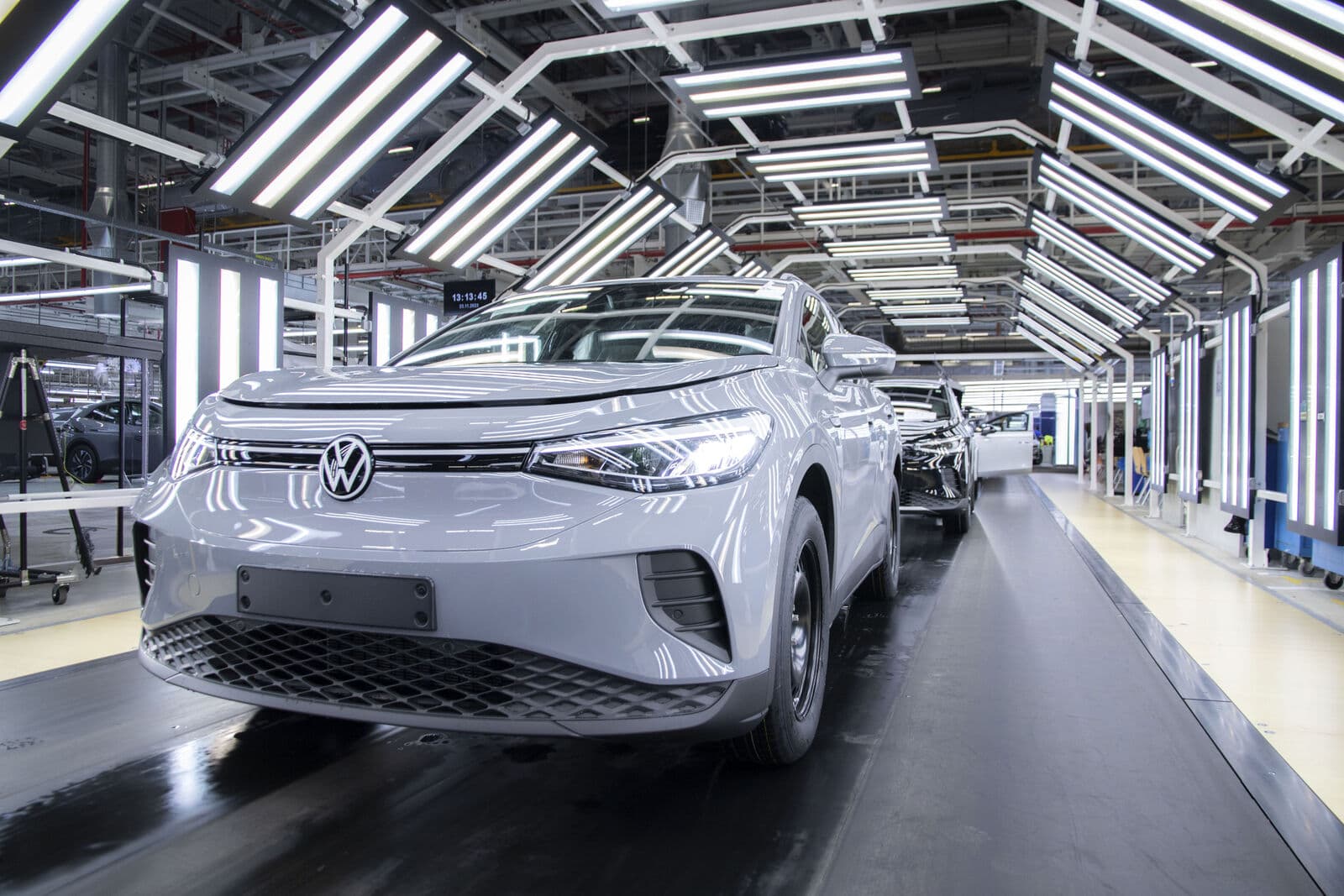
Volkswagen’s Emden plant currently builds the electric ID.4, ID.7 and ID.7 Tourer. The company has invested in converting the factory to the MEB electric platform, and a production stop in 2031 would come less than a decade after the broad switch to electric vehicles.
Zwickau was the group’s first large factory converted entirely to series production of electric cars. Models of several brands are built there, including the Audi Q4 e-tron. The agreement reached between Volkswagen and employee representatives at the end of 2024 provided for concentrating Zwickau production on a single line from 2027 and keeping the Audi Q4 e-tron family at the plant.
Recent statements by the authorities of the state of Saxony show that the factory’s future remains negotiable. Regional economy minister Dirk Panter said the plant has prospects if it can become competitive enough against factories in Eastern Europe.
What the Hanover and Neckarsulm plants produce
The Volkswagen Commercial Vehicles plant in Hanover builds the ID. Buzz and Multivan. In the 2024 agreement, the group had set measures to cut the factory’s costs, not to close it. The new timetable reported for 2032 would, if approved, represent a much broader change.
Neckarsulm belongs to Audi and is one of the premium brand’s traditional plants. The site produces upper-segment models and includes the Böllinger Höfe centre, associated with the e-tron GT performance electric cars. An eventual end to car production in 2034 would require redistributing models to other plants or replacing them in the future range.
Volkswagen says the plants do not yet have loading secured after 2030
Chief executive Oliver Blume publicly acknowledged the problem before the timetable appeared. In an official piece published on 21 August 2026, he said Volkswagen cannot currently demonstrate competitive loading for the Emden, Hanover, Zwickau and Neckarsulm plants in the 2030s.
Blume nevertheless said that closing a factory is the most expensive solution and must remain the last option. The group is seeking cost cuts, a simpler range and more efficient use of production capacity in Europe.
Volkswagen says its German factories compete with European plants that have lower costs. At the same time, the company cannot keep production capacity higher than the number of cars it can sell over the long term.
What happens to jobs
The four plants together employ tens of thousands of people, but the reported document is not yet a decision on the exact number of posts that would disappear. Reuters had previously reported that closing the four sites would put more than 45,000 jobs in question.
Separately, the group already has an agreement to cut about 50,000 posts in Germany by 2030 at Volkswagen, Audi, Porsche and Cariad. Those departures are to be carried out mainly through retirements and voluntary measures, under the terms agreed with the unions.
Employee representatives and the states in which the factories operate have substantial influence over the final decision. Volkswagen’s Supervisory Board is split between shareholder and employee representatives, and the state of Lower Saxony holds two seats and special rights in the company structure.
What to take away
Volkswagen has not officially announced that it will close the four factories. The verifiable information at this point is that management would propose stopping car production at dates between 2031 and 2034, and the group publicly acknowledges that it does not yet have a competitive loading plan for these sites after 2030.
The timetable can be changed, rejected or replaced by allocating new models, converting the factories or bringing in partners. Until a resolution is adopted and presented officially, the dates should be treated as a restructuring proposal.
Sources
- Reuters – the proposal to stop production at the four plants
- Volkswagen Group – Oliver Blume on competitiveness and German plant capacity
- Volkswagen Group – the 2024 agreement on restructuring the German network
- Volkswagen Newsroom – the brand’s production and plants
- Saxony Ministry of Economic Affairs – position on the future of the Zwickau plant