Volkswagen Group delivered 1,378,800 vehicles in China during the first nine months of 2026, down 30.2% from the 1,974,000 units recorded in the same period a year earlier. The decline underlines the pressure facing a company that once relied heavily on its established reputation in the world’s largest car market, but is now trying to respond to faster-moving local electric-vehicle manufacturers.
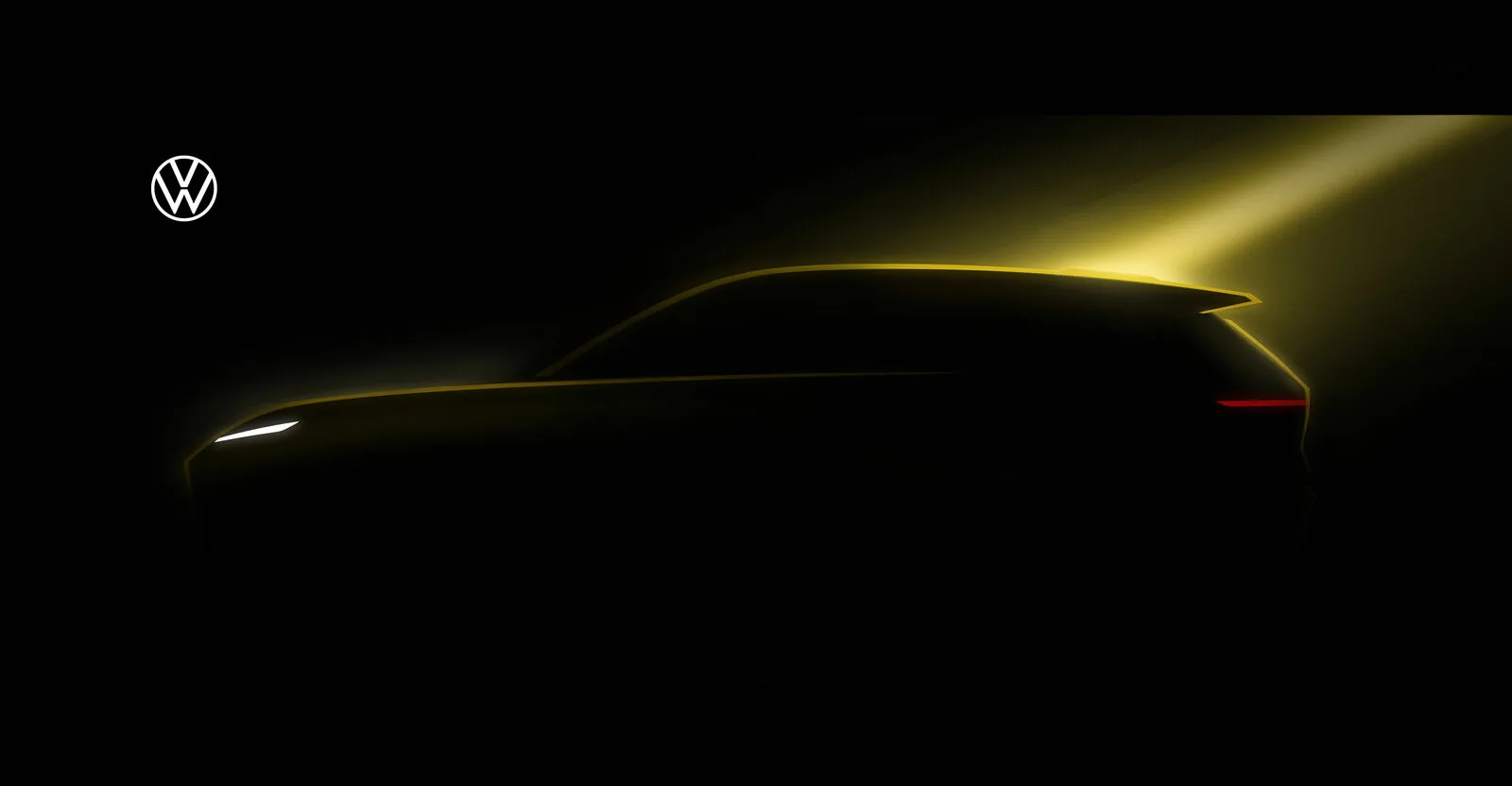
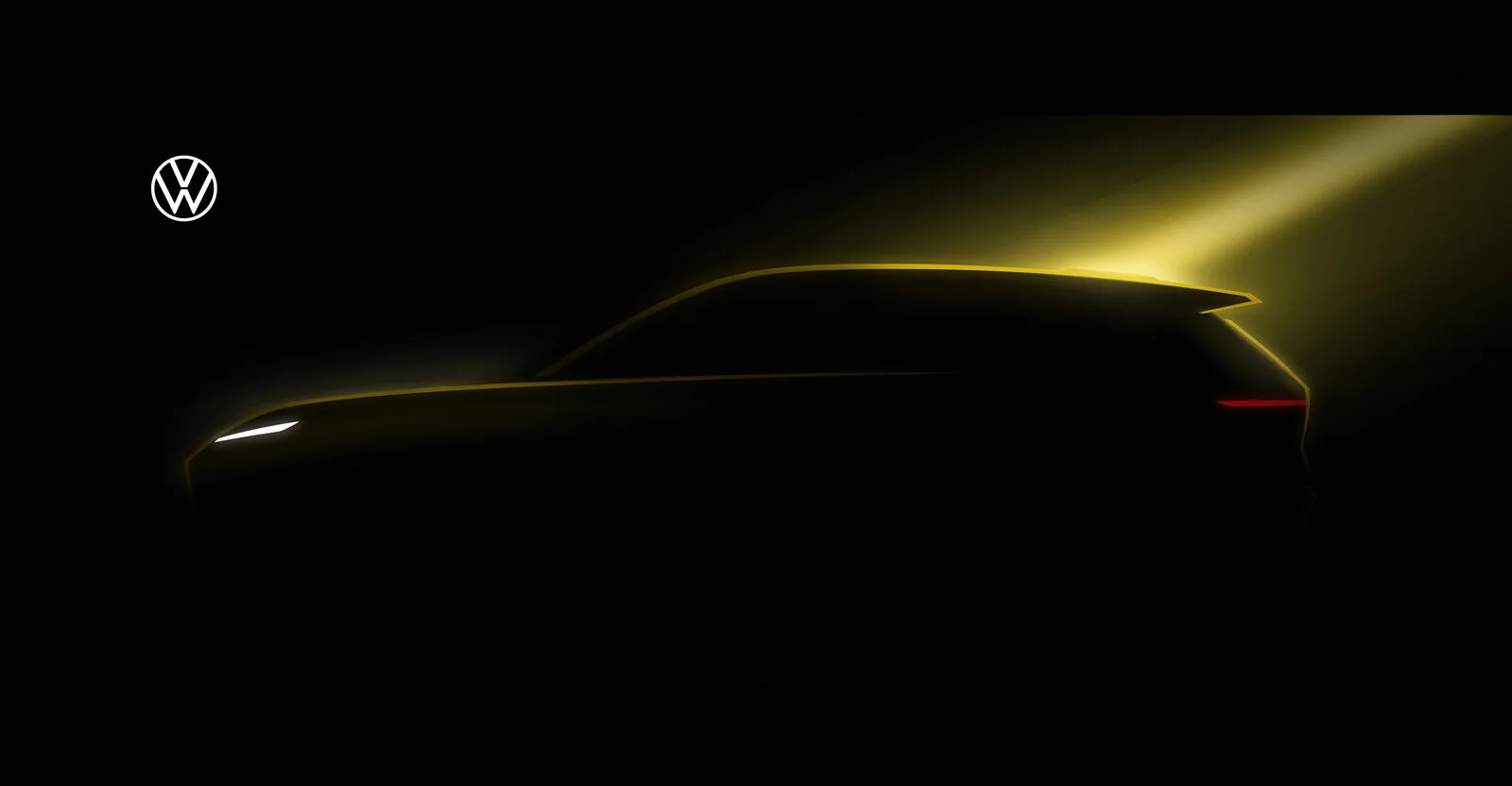 Official Volkswagen Group image used to illustrate the technical partnership with XPeng. Source: Volkswagen Group.
The figures come from Volkswagen’s delivery report for the first three quarters. They describe the whole group’s China business, including vehicles sold through local joint ventures and several brands. They should not be read as Volkswagen passenger-car sales alone, and they are not directly comparable with XPeng’s deliveries, which come from a much smaller company focused on electric vehicles.
China is the group’s largest pressure point
Volkswagen Group delivered 6.011 million vehicles worldwide in the first nine months of 2026, 9% fewer than the 6.604 million delivered in the same period of 2025. Europe partly offset the decline: deliveries grew by 1.1% in Western Europe and by 5.3% in Central and Eastern Europe. North America fell by 4%, while China produced the steepest decline among the group’s core markets.
The third-quarter comparison is even sharper. Volkswagen delivered 405,800 vehicles in China between July and September, against 660,300 in the same quarter of 2025. That is a 38.5% fall. Volkswagen says the overall Chinese market has declined significantly, with combustion-engine vehicles under particular pressure. The group has not claimed that its partnership with XPeng has already reversed the market-share trend.
China remains a major production, sales and development base for Volkswagen. The delivery decline therefore has consequences beyond a single quarter’s revenue. It affects capacity planning, local joint ventures, product investment and the speed at which the group needs to replace older models with vehicles designed around Chinese customer expectations.
XPeng is moving at a different pace
XPeng reported 41,256 vehicle deliveries in September 2026, 5% more than in August, and 118,390 deliveries for the third quarter. The company said monthly deliveries of its L03 exceeded 10,000 units. These numbers cannot be compared one-for-one with Volkswagen Group’s total deliveries, but they show the operating rhythm of a specialist electric-vehicle manufacturer.
XPeng also launched the G9L SUV in China on 17 September and began rolling out its XOS 6.3.0 software update. At the end of September, the company said its self-operated charging network covered more than 430 Chinese cities and included over 4,000 stations. That combination of vehicles, software and charging is part of the ecosystem Volkswagen is trying to match through more local development.
XPeng’s delivery announcement also contains forward-looking language, so its statements about future expansion and demand remain subject to the risks disclosed by the company. The historical delivery figure is confirmed; future market acceptance is not.
Why Volkswagen chose XPeng
Volkswagen and XPeng entered a strategic technical partnership to develop two Volkswagen-branded mid-size electric vehicles for China. The agreement, announced in 2024, selected an SUV as the first model and targeted road launches in 2026. Volkswagen also completed the purchase of shares representing about 4.99% of XPeng’s issued share capital in December 2023.
The partnership combines Volkswagen’s vehicle engineering, production and supply-chain experience with XPeng’s connected-car software and intelligent EV technology. The companies said joint development and sourcing could cut development time by more than 30% and improve cost structures. That matters in China, where a product can become outdated quickly if its digital interface, driver assistance or charging experience lags behind newer local rivals.
The arrangement does not mean XPeng has taken over Volkswagen’s China operation, nor does it mean Volkswagen has abandoned its own engineering. It is a local-response strategy: develop vehicles in China, for Chinese customers, using capabilities that the German group could not build quickly enough on its own.
A locally developed product offensive
Volkswagen Group China says it will introduce 13 new NEV models in 2026 across battery-electric, plug-in-hybrid and range-extender powertrains. The plan is expected to grow to more than 30 models by 2029. At Auto China 2026, Volkswagen showed the ID. UNYX 09, co-developed with XPeng, and the ID. AURA T6, based on the locally developed China Electronic Architecture.
The product launches are evidence of a new strategy, not evidence that the sales problem has been solved. Volkswagen’s own report says deliveries of electrified vehicles in China rose by about 30% in the third quarter from the same quarter last year. At the same time, total China deliveries fell by 38.5%. A stronger electric mix can therefore coexist with a weaker overall business.
The group delivered 48,900 battery-electric vehicles in China during the first nine months, down 42.5% year on year. Globally, Volkswagen delivered 678,700 BEVs, down 5.4%. Europe was more positive, with BEV deliveries up 12.1% over the first nine months and electric models representing around 40% of the group’s European order backlog.
Software is part of the sales battle
Chinese customers compare more than range and price. They also evaluate infotainment, over-the-air updates, driver assistance, charging services and the speed at which new features appear. XPeng has built its identity around these areas, while Volkswagen is trying to shorten the development cycle through the China Electronic Architecture, the Volkswagen Group China Technology Company and the partnership with XPeng.
That approach could help Volkswagen compete more effectively, but it also creates execution risks. New models must be reliable, priced correctly and supported by dealers and charging infrastructure. A co-developed platform does not guarantee strong demand, and a large product plan does not guarantee that every launch will work.
What the next data will show
The confirmed picture is straightforward: Volkswagen Group’s China deliveries fell 30.2% in the first nine months of 2026; XPeng delivered 118,390 vehicles in the third quarter; and the two companies are developing China-specific electric models. What remains unknown is whether the partnership will recover Volkswagen’s lost volume, improve its profitability or only slow the decline.
The first real test will be the performance of the jointly developed vehicles after launch, measured through deliveries, repeat demand, software acceptance and financial results. Volkswagen’s China strategy is no longer based only on importing a global product formula. It is an attempt to learn from a local electric-vehicle company quickly enough to remain relevant in the market where that expertise matters most.