Volvo Cars is planning a structural reduction of about 2,500 positions worldwide, including approximately 2,000 jobs in Sweden. The measure is part of an additional SEK 5 billion reduction in indirect spending and variable costs announced with the company’s third-quarter 2026 update.
The number should not be read as 2,500 immediate dismissals. Volvo Cars says the plan will combine the end of consultant contracts, natural attrition and targeted exit packages. The company expects the full financial effect of the measures to be visible by the end of 2027.

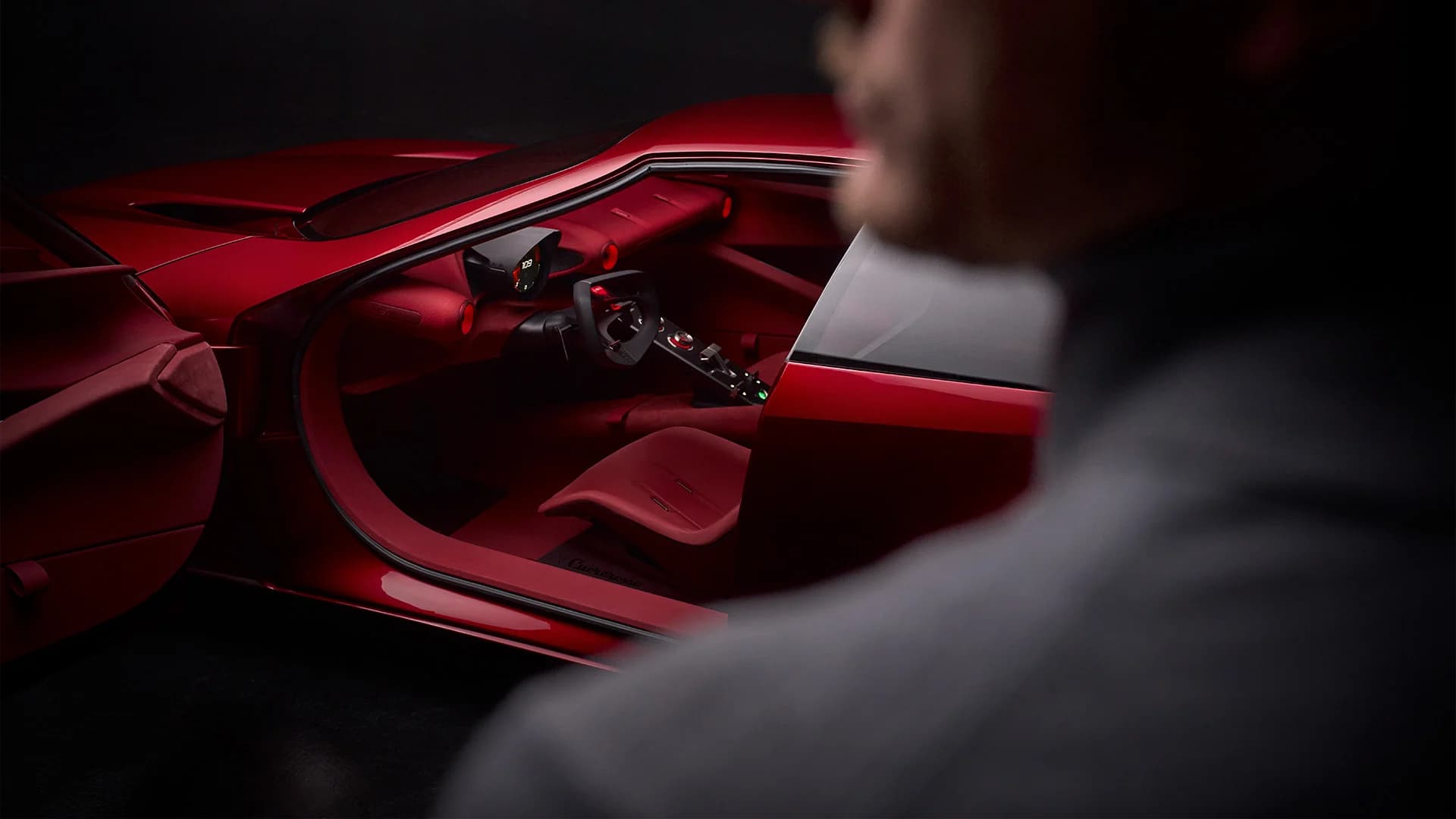
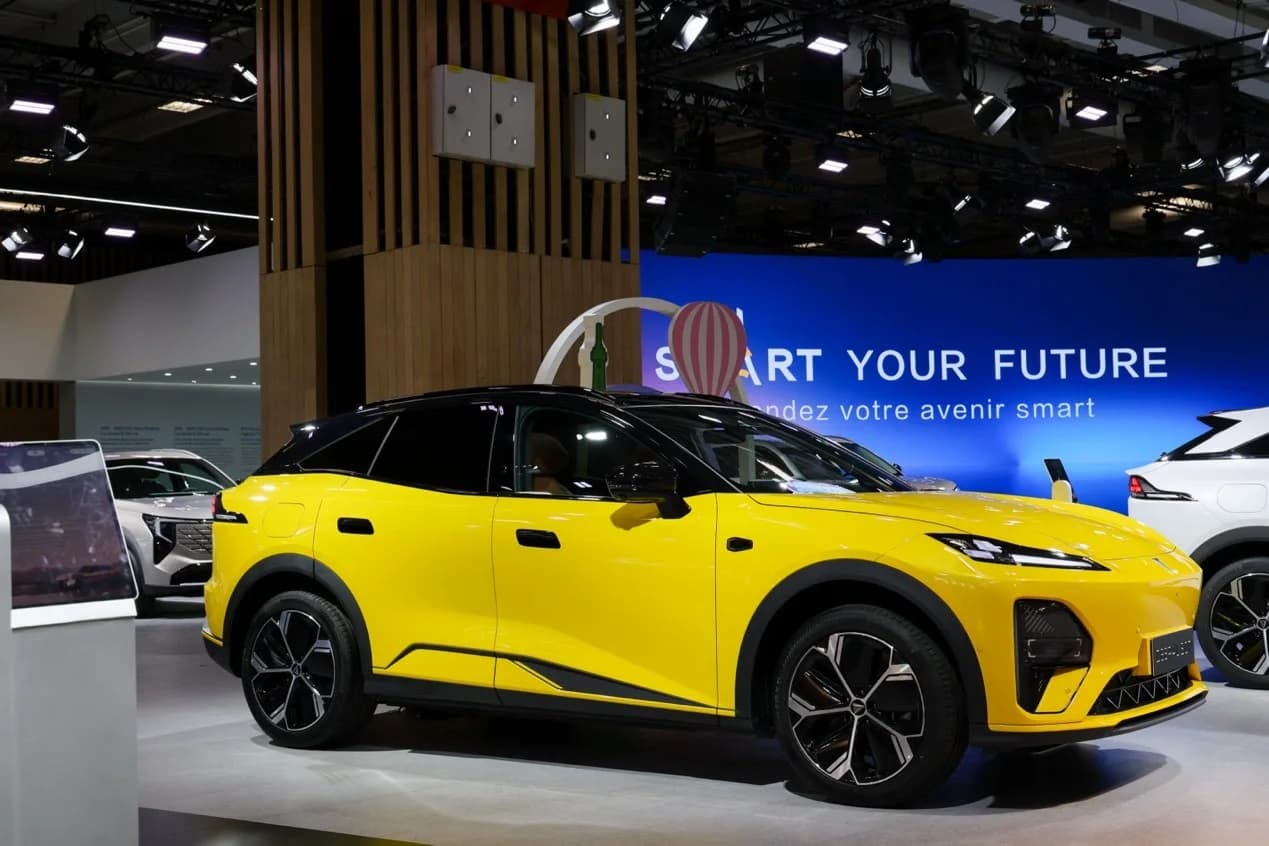
Official Volvo Cars image. Photo: Volvo Cars.
A sharp change in quarterly performance
The announcement follows a weak third quarter. Volvo Cars reported an adjusted operating loss of SEK 3.7 billion, compared with an adjusted operating profit of SEK 5.8 billion in the same quarter of 2025. The company described the market environment as very difficult, with pressure from China, a slower recovery in the United States and an expensive transition toward a more electrified product range.
Volvo Cars had already withdrawn its full-year 2026 volume and cash-flow outlook on 2 October. At the time, the company said that conditions in China had deteriorated, the recovery in the United States was slower than expected and Europe was proving more resilient. The withdrawal of the outlook means that the company no longer considers its previous volume and cash assumptions sufficiently reliable for the current market.
The latest restructuring announcement is therefore both a response to the quarterly loss and a preparation for a more uncertain sales environment. Volvo Cars has not announced an immediate closure of a plant or a withdrawal of a model from Europe. Its stated objective is to resize the organization and free resources for product development and regional operations.
What the new savings plan covers
Volvo Cars says that indirect spending should be almost 25% lower than in 2024 once the program is fully implemented. The company has not published a department-by-department breakdown, but the measures include administrative work, external services and variable costs. The blue-collar workforce will also be adapted to current production volumes, while research and development spending is being reviewed.
The company says that its SPA3 vehicle architecture and HuginCore technology stack are now established. That should allow Volvo Cars to simplify parts of its development work and to reuse more hardware and software across vehicles. Volvo is also working toward a more efficient production structure based on five dedicated plants.
Another option under review is multi-brand assembly at the Chengdu and Ghent sites with Geely. This is not a final plant-by-plant decision, but it shows how the company is trying to use manufacturing capacity more flexibly. Common suppliers, shared hardware and closer group cooperation could reduce duplication, although the timing and exact scope have not been announced.
The new reduction follows a separate 2025 program that covered about 3,000 positions, mainly office roles and consultants in Sweden, as part of an SEK 18 billion savings plan. Volvo Cars later said that major parts of the earlier cost target had been reached ahead of schedule. The company has not described the new 2,500-position reduction as a simple addition to the previous number; the two programs use different measures and time frames.
A large product push continues
Volvo Cars is cutting costs while keeping its product strategy in place. In September, it announced 13 new cars through the end of 2030, tailored more closely to Europe, the United States and China. The plan includes more regional manufacturing and greater use of Geely-related synergies.
The electric EX60 is central to that effort. It is Volvo Cars’ first model based on the SPA3 architecture and the company’s first fully electric car designed, developed and built in Sweden. Customer deliveries in Europe began in July 2026, with production expected to ramp up during the second half of the year. In its second-quarter update, Volvo Cars also referred to inventory built up around the start of EX60 production.
The restructuring does not change what customers can currently order, but it may affect how quickly the company adjusts production and development resources in different regions. Volvo Cars says the next stage will be based on regional demand, a more flexible manufacturing footprint and a tighter cost base. The difficult question for the company is whether those savings can be achieved quickly enough while it launches new electric and electrified models in markets that are moving at different speeds.