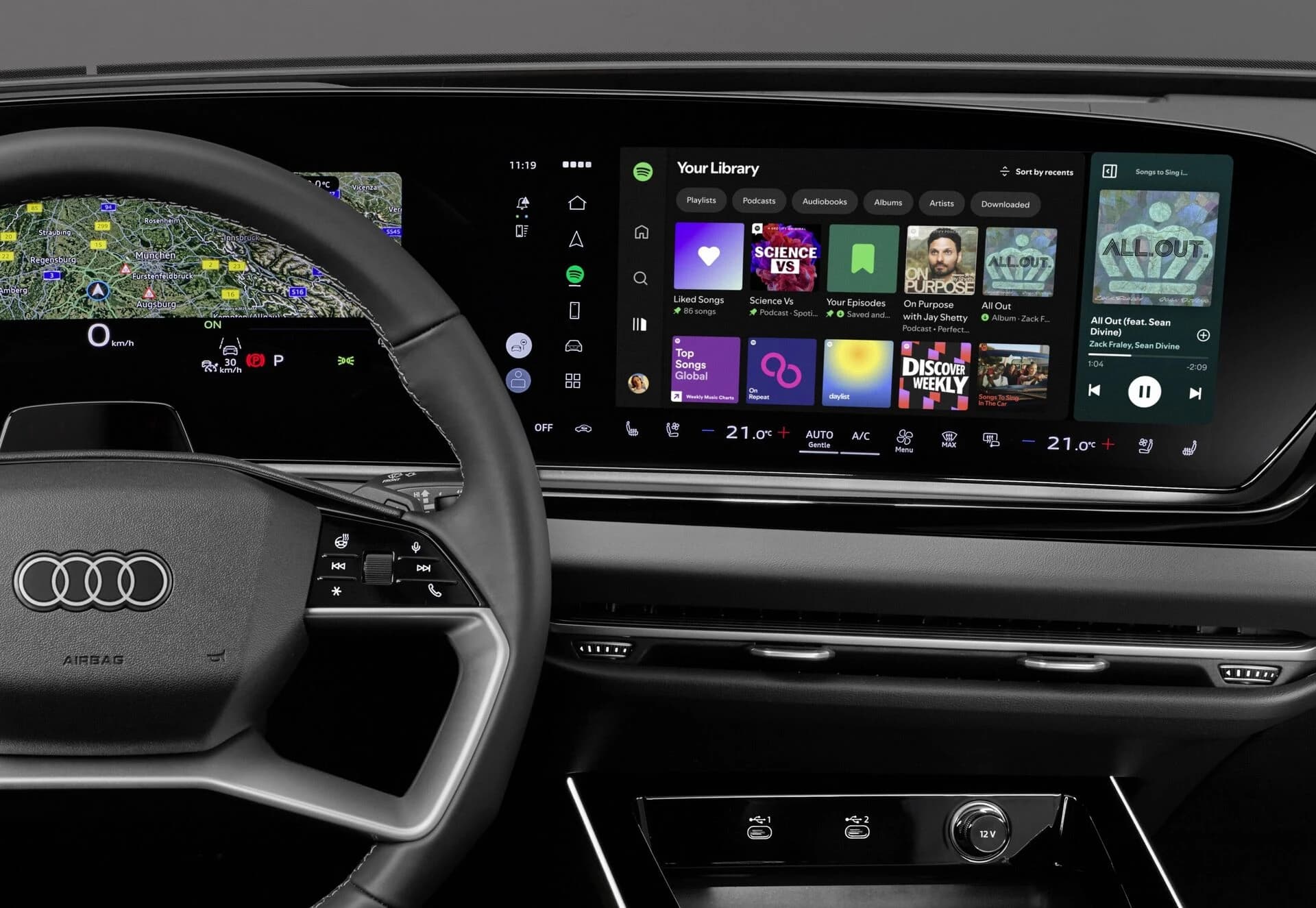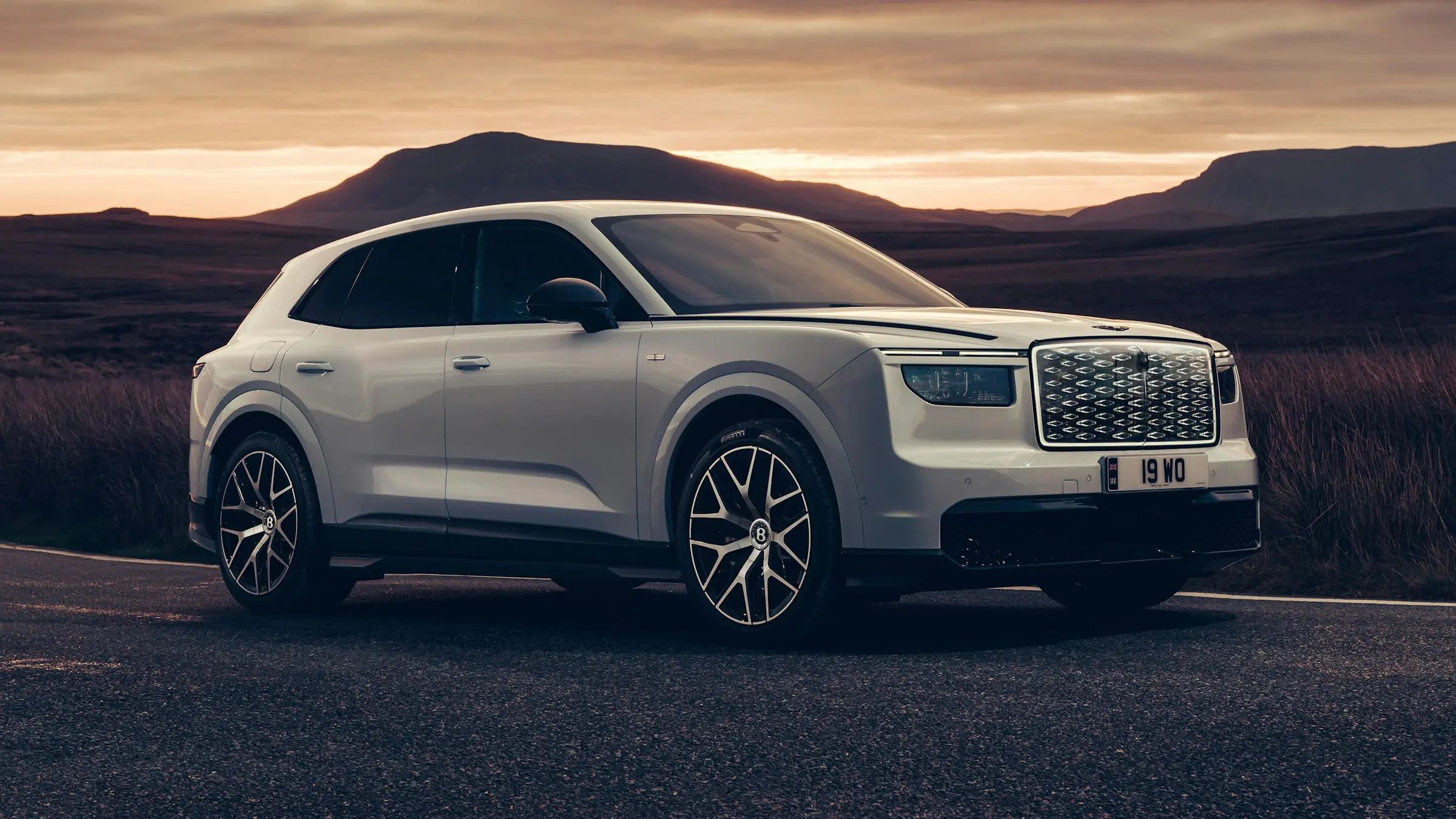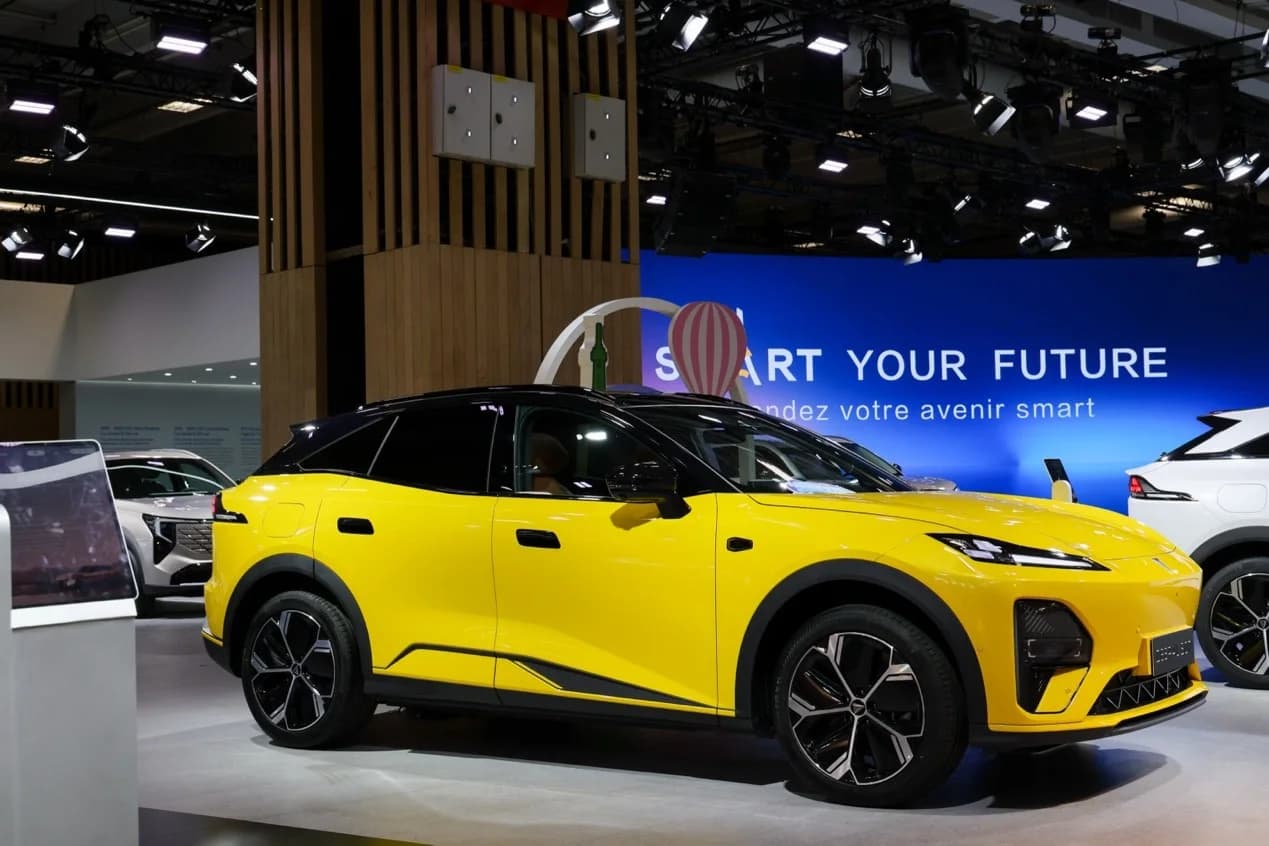
The Changan DEEPAL S07 PHEV at Mondial de l’Auto 2026. Image: Changan Automobile via GlobeNewswire.
Changan expands its European line-up with new PHEV models
Changan is widening its European powertrain offer with plug-in hybrid SUVs after establishing the DEEPAL S05 and S07 as battery-electric products in several markets. At Mondial de l’Auto 2026 in Paris, the company showed the DEEPAL S07 PHEV, the right-hand-drive DEEPAL S05 PHEV and the new NEVO Q05 battery-electric SUV. The announcement points to a broader range of drivetrains, not a withdrawal from full electric vehicles.
Changan says the DEEPAL S07 PHEV has a WLTP electric range of 100 km, can charge from 30% to 80% in 15 minutes or less under the stated conditions, and offers more than 1,000 km of combined range. These are manufacturer figures. They are not Carboratory test results, and the company has not yet published every European market specification, price or equipment level.
Two plug-in hybrids join the DEEPAL range
The DEEPAL S07 PHEV is a mid-size SUV with a 2,900 mm wheelbase. Changan’s European material lists heated and ventilated front seats and a 20-speaker Dynaudio audio system on the vehicle shown in Paris. Those details describe the displayed specification; they should not be assumed to be standard equipment in every country until local price lists are released.
A plug-in hybrid can use its battery for shorter journeys and its combustion engine for longer trips. In the S07 PHEV’s case, the published 100 km WLTP electric figure gives a reference for daily driving when the battery is charged. The distance available in actual use will depend on temperature, speed, heating, traffic and payload. Changan has not released a complete consumption figure for every European version after the battery has been depleted.
The S05 PHEV was displayed in both the wider European powertrain plan and a right-hand-drive form intended for the UK. Changan also refers to a left-hand-drive S05 PHEV for continental Europe. The company says the two DEEPAL PHEV models offer more than 1,000 km of combined range, but the Paris announcement does not provide every S05 PHEV specification, including battery capacity, system output or kerb weight.
The distinction between a right-hand-drive show car and a model on sale matters. A vehicle presented at a motor show can still require local type approval, final equipment decisions and a market-specific commercial launch. Changan has said that the right-hand-drive S05 PHEV will launch in the UK soon, while the S07 PHEV is planned for major European markets later in 2026. The company has not published a complete country-by-country schedule in the material used here.
The NEVO Q05 keeps the battery-electric route open
Changan also used Paris to introduce the NEVO brand to European audiences. The NEVO Q05 is described as a B+ segment battery-electric SUV for urban and family customers. Changan quotes up to 450 km of WLTP range and DC charging from 30% to 80% in around 15 minutes under optimal conditions.
The Q05 has a 2,735 mm wheelbase and a 540-litre luggage compartment. With the rear seats folded, Changan quotes up to 1,380 litres. The company also lists a panoramic glass roof, 29 storage spaces, intelligent driving assistance and parking support for narrow spaces and parallel parking. Customer deliveries are expected in the first quarter of 2027. Pricing, trim structure and the exact launch markets have not been announced in the European newsroom release.
The Q05 and the PHEV SUVs address different ownership conditions. A battery-electric car depends on access to charging for longer journeys, but has no combustion engine or fuel tank. A plug-in hybrid can cover a daily commute electrically when it is charged regularly, then continue with its engine when a trip exceeds the usable battery range. That flexibility comes with a more complex powertrain and does not guarantee low fuel use when the driver rarely plugs in.
What Changan means by combined range
The phrase “more than 1,000 km” describes the combined capability of the PHEV models as presented by the manufacturer. It is not the same number as electric range and it does not mean that every owner will cover that distance in one journey. The result depends on the starting battery charge, the fuel tank, the test method and the conditions used for the official figure.
The 100 km S07 figure is a WLTP electric-range value. Real-world driving can produce a lower number, especially at motorway speeds or in cold weather. Heating the cabin, carrying passengers and luggage, using roof equipment and driving on winter tyres can all affect energy consumption. Buyers will need the final homologation data and local pricing before comparing the S07 PHEV with a BEV on running cost.
The 30-to-80% charging claim is also conditional. Charging power can vary with battery temperature, charger capability and software limits. A fast charger that can provide the required power is not guaranteed at every public location. Changan has not yet published a complete charging map or a European technical sheet for every PHEV version.
The European context behind the expansion
Changan’s European activity predates these launches. The company established a design centre in Turin in 2001 and later opened a research and development centre in Birmingham. Changan Europe says it began selling vehicles in selected European markets in 2025 and is now present in 16 countries.
In March 2026, Changan Europe presented its BlueCore HEV technology, a non-plug-in hybrid system. The company said the development involved an investment of more than €250 million and described a 500-bar direct-injection hybrid engine, an electric drive and an intelligent control system. It also published manufacturer testing claims, including urban fuel-consumption data from a joint real-road test and long-distance validation figures. Those claims belong to Changan’s press material and should not be treated as independent measurements.
HEV, PHEV and REEV are not interchangeable labels. An HEV charges its battery through the vehicle’s system and does not normally use an external plug. A PHEV has a larger battery designed for external charging. A range-extended electric vehicle uses an engine or generator in a different role. Changan’s BlueCore family covers several architectures, but a technology announcement does not mean every model offers every system.
For European buyers, the choice will depend on routine and infrastructure. Someone without home charging may prefer a conventional hybrid. Someone who can charge daily and drives a predictable commute may use much of a PHEV’s electric range. Someone who drives long motorway distances may value the engine’s flexibility, while accepting the extra mass and mechanical complexity of a dual-powertrain vehicle. Those are ownership considerations, not promises of a specific fuel bill.
What remains unknown
Changan has not announced European prices for the S07 PHEV or S05 PHEV in the Paris material. The final battery capacity, output, boot volume, trim levels and homologation timetable are not all available for every version. The NEVO Q05 has a delivery window for the first quarter of 2027, but its commercial details are still incomplete.
There is also no confirmation that every vehicle shown in Paris will be sold in Romania. A European motor-show premiere is not the same as a Romanian launch. Importer arrangements, type approval, warranty terms, servicing, parts supply and charging support need to be checked for each country.
The confirmed direction is narrower and more useful: Changan is building a European portfolio that combines battery-electric SUVs with plug-in hybrids. The NEVO Q05 is the BEV route, while the DEEPAL S05 PHEV and S07 PHEV add external charging and a combustion engine. The final appeal of the range will depend on price, local availability, official consumption data and after-sales coverage, none of which has been fully disclosed yet.