The Bentley Torcal First Edition launches the brand’s first production battery-electric model. It uses the performance-led Torcal S powertrain, with two electric motors, 888 PS and 1,350 Nm. Bentley quotes up to 600 km of range and a 10–80 per cent DC charging time of around 16 minutes under suitable conditions. European consumption, emissions and range figures remain subject to EU type approval.
A fourth Bentley model line
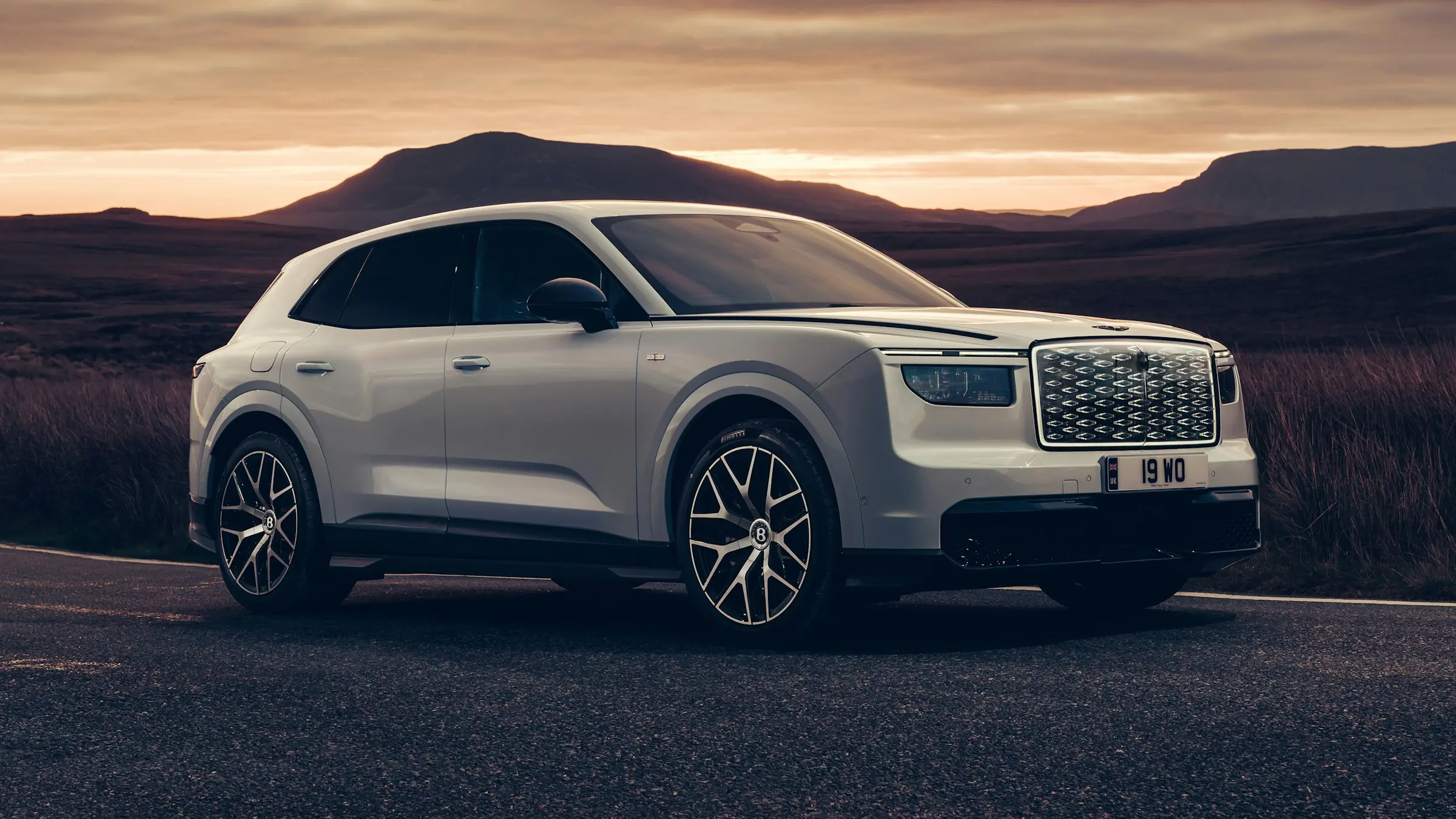
Torcal becomes Bentley’s fourth model line alongside the Continental GT, Flying Spur and Bentayga. It is designed, engineered and built at Bentley’s Crewe site in the United Kingdom. The company presents it as a luxury electric SUV with its own design and technology brief rather than as an electric Bentayga.
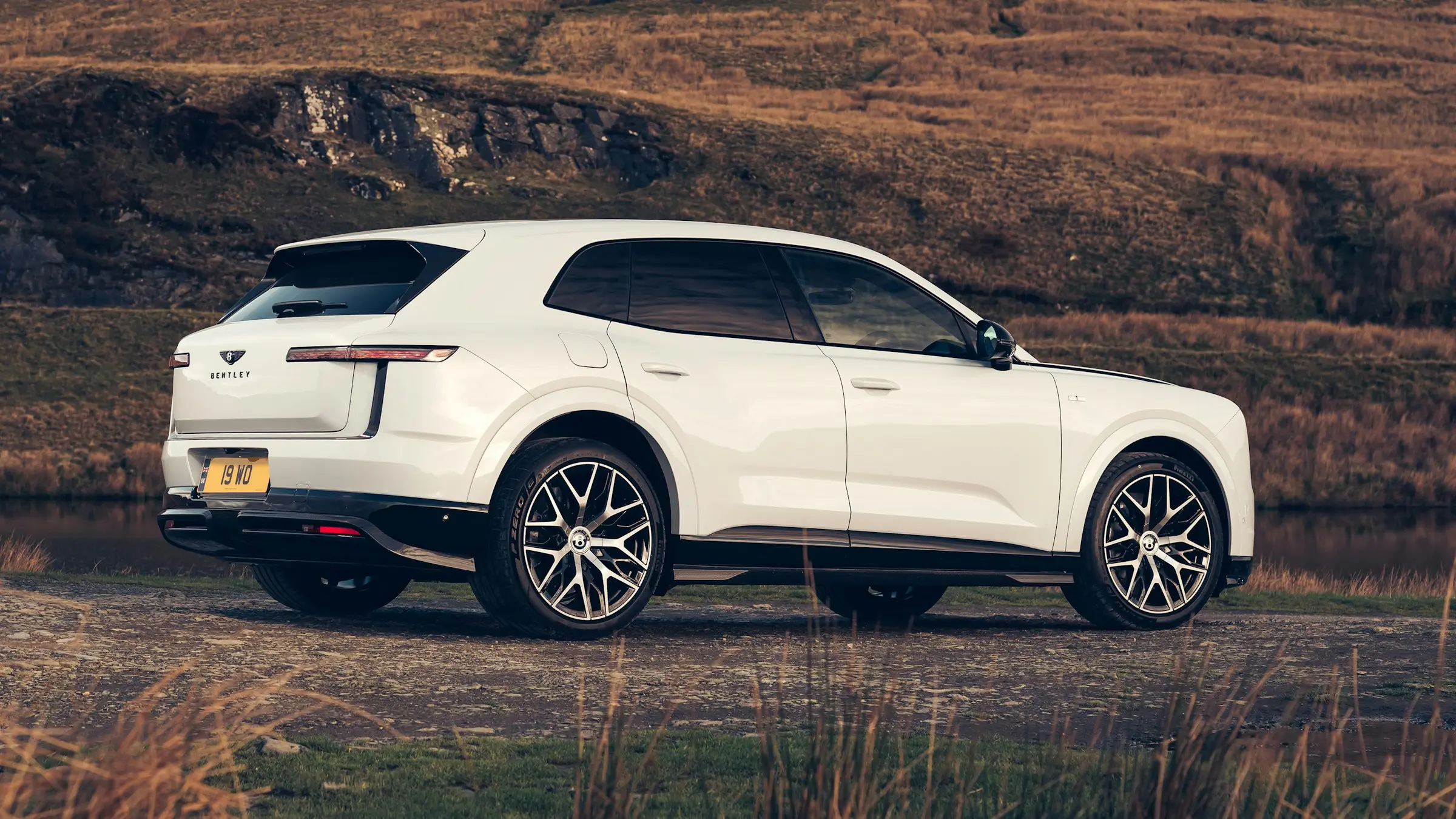
The official dimensions are specific. Torcal is 5,008 mm long, 2,198 mm wide including the mirrors, 1,677 mm tall and has a 3,023 mm wheelbase. Four-wheel steering gives it an 11-metre turning circle. At low speed the rear wheels turn in the opposite direction to the front wheels, while at higher speeds they steer in the same direction to make lane changes smoother.
Bentley lists an unladen weight of 2,795 kg, a maximum payload of 535 kg and a braked towing capacity of 2,700 kg. The front luggage compartment holds 90 litres. Those figures place the Torcal in the practical end of the luxury-performance SUV category, even though its acceleration numbers put it close to sports-car territory.
What First Edition changes
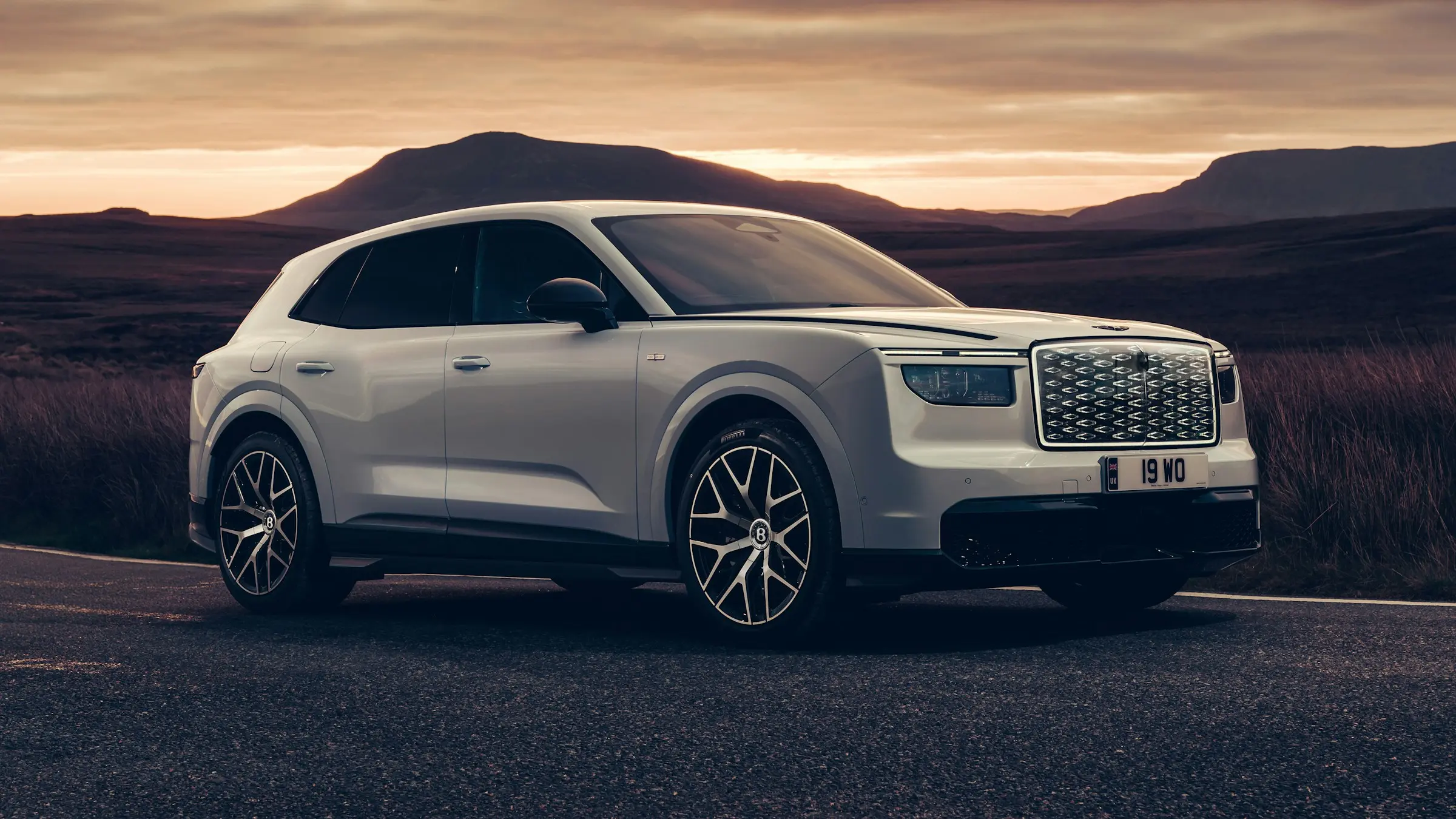
Bentley describes the First Edition as a launch specification created to mark the arrival of the Torcal. It adds black 22-inch wheels with Liquid Silver spokes, grey brake callipers and self-levelling Bentley centre badges. First Edition badges and treadplates identify the special configuration from the outside and when the doors are opened.
Inside, the edition receives a dedicated seat quilting and embroidery pattern, along with hand-finished carbon-fibre veneers. Bentley’s official model information does not publish a separate production number for the First Edition. It is therefore more accurate to describe it as a launch specification than as a separately numbered limited series.
The Torcal S has darker exterior detailing, including black Bentley badges and a sportier body treatment. Customers can combine two-tone leather and Dinamica upholstery, while the First Edition pattern adds a visual distinction to the seats. These details are important in a Bentley because the equipment is part of the model’s identity, not simply a performance add-on.
Two electric powertrains
The Torcal S has two electric motors and all-wheel drive. Bentley quotes 888 PS, or 653 kW, and 1,350 Nm when Launch Control is active. The official 0–100 km/h time is 2.9 seconds, with a 250 km/h top speed. Instant electric torque makes that performance possible without waiting for an internal-combustion engine to build revs.
The regular Torcal produces 821 PS and 1,155 Nm, with a quoted 0–100 km/h time of 3.4 seconds. The difference between the two versions is therefore more than trim decoration. The S brings a stronger powertrain and a more performance-focused chassis tune, while the range still uses the same broad approach to comfort and passenger wellbeing.
Bentley Active Ride uses two-valve dampers at each wheel to control body movement. The system is intended to reduce roll in corners and to offer different responses through the Comfort, Sport, Bentley and Refresh modes. The Curation Engine can adjust seat settings, lighting, audio and climate functions at the same time, linking the driving mode with the cabin atmosphere.
Battery and charging claims
The battery has a 113.2 kWh capacity and operates on an 800-volt electrical system. Bentley quotes up to 600 km of range and a 10–80 per cent charging time of 16 minutes when the vehicle is connected to an appropriate DC charger. It also says that up to 357 km of range can be added in 10 minutes under its stated conditions.
Those figures are not independent test results. Charging speed depends on the charger, battery temperature, state of charge and the electrical conditions at the site. Bentley specifically notes that EU27 electricity consumption, emissions and range data are pending EU type approval. The final homologated figure will be more useful to European buyers than the preliminary manufacturer display.
A Bentley cabin without a combustion engine
The Torcal keeps several Bentley signatures while changing the way they are used. Its floating diamond grille contains 76 hand-applied LED diamonds. Inside, curved screens sit alongside handcrafted veneers, leather and Dinamica, a suede-like material used across parts of the cabin.
The front seats offer 16-way electric adjustment, heating, ventilation and massage. The rear bench has powered adjustment and heating for the outer positions, with ventilation available as an option. A 16-speaker, 620-watt Bentley Signature Audio system is standard. The optional Naim for Bentley system has 28 speakers and 1,780 watts, with configurable sound zones and Dolby Atmos 7.1.4.
Bentley Dynamic Symphony uses recordings of real musical instruments to give the electric car a sound identity. It is not presented as a literal V8 recording. Instead, it links acceleration and drive modes to an audio response, making sound part of the car’s interface alongside the lighting and seat functions.
What remains unconfirmed
Bentley’s published model information does not give a separate European price or a production number for the Torcal First Edition. Market equipment, VAT-inclusive pricing and availability will be handled by the relevant retailer and importer. The 600 km figure also remains a manufacturer claim until the EU approval data is complete.
The First Edition is therefore more than an exterior package, but it is not a separate model line. It is the launch specification of Bentley’s first electric car, built around the Torcal S hardware and a defined set of wheels, badges, trim and interior details.