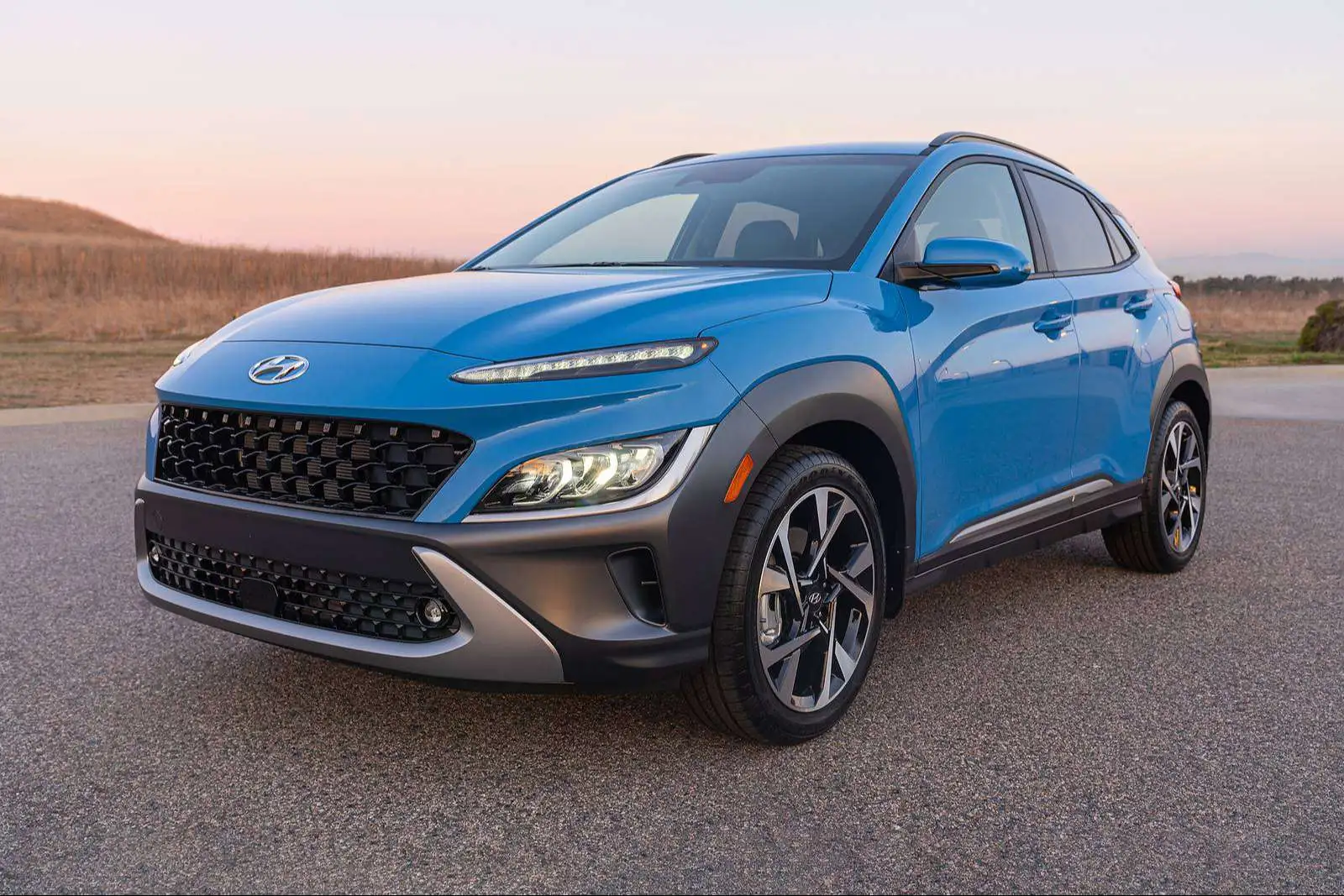
Hyundai Kona is the company’s attempt to enter the market for “small and cool” SUVs. It comes in colours vivid enough to make your eyes water, yet it cannot match the comfort factor of the oddly styled Citroën C3 Aircross.
That is partly because Hyundai’s interior design feels plain next to Citroën’s, although on more expensive grades you can specify bright trim to add a splash of interest. Unfortunately, that is a bit like adding a few drops of orange food colouring to a glass of water—it might look like Irn-Bru, but it still tastes rather bland.
If you are considering a Kona, alongside the Citroën C3 Aircross you might also look at the Ford Puma, Nissan Juke, Renault Captur or SEAT Arona.
Either way, practicality is a bigger issue: the boot is relatively small, and rear knee room, while decent, is not as generous as in the C3. Hyundai also misses the sliding, folding rear bench you get on the Citroën.
There are fewer complaints about Hyundai’s infotainment. As long as you avoid base S models, you get a fairly large infotainment screen that can mirror your phone display for satellite navigation, plus a very useful reversing camera. That camera partly makes up for the blind spot over the rear of the car; otherwise outward visibility is good and the controls are easy to use, which makes it a sensible city car.
Kona rides on relatively firm suspension for a small SUV. That gives it a slightly sportier feel for this type of car. The flip side is that you feel road imperfections much more than in a SEAT Arona, which prioritises comfort—a trait that matters more to most buyers in this class.
Every Kona in the core range (electric and hybrid versions are covered separately) now uses the same 1.0-litre three-cylinder turbo petrol with mild-hybrid assistance, a six-speed manual gearbox, and enough pep to feel lively, even if there is too much suspension fidget on anything but the smoothest surfaces.
All Konas get automatic emergency braking that can detect pedestrians and other vehicles—it will brake hard if it senses an imminent collision.
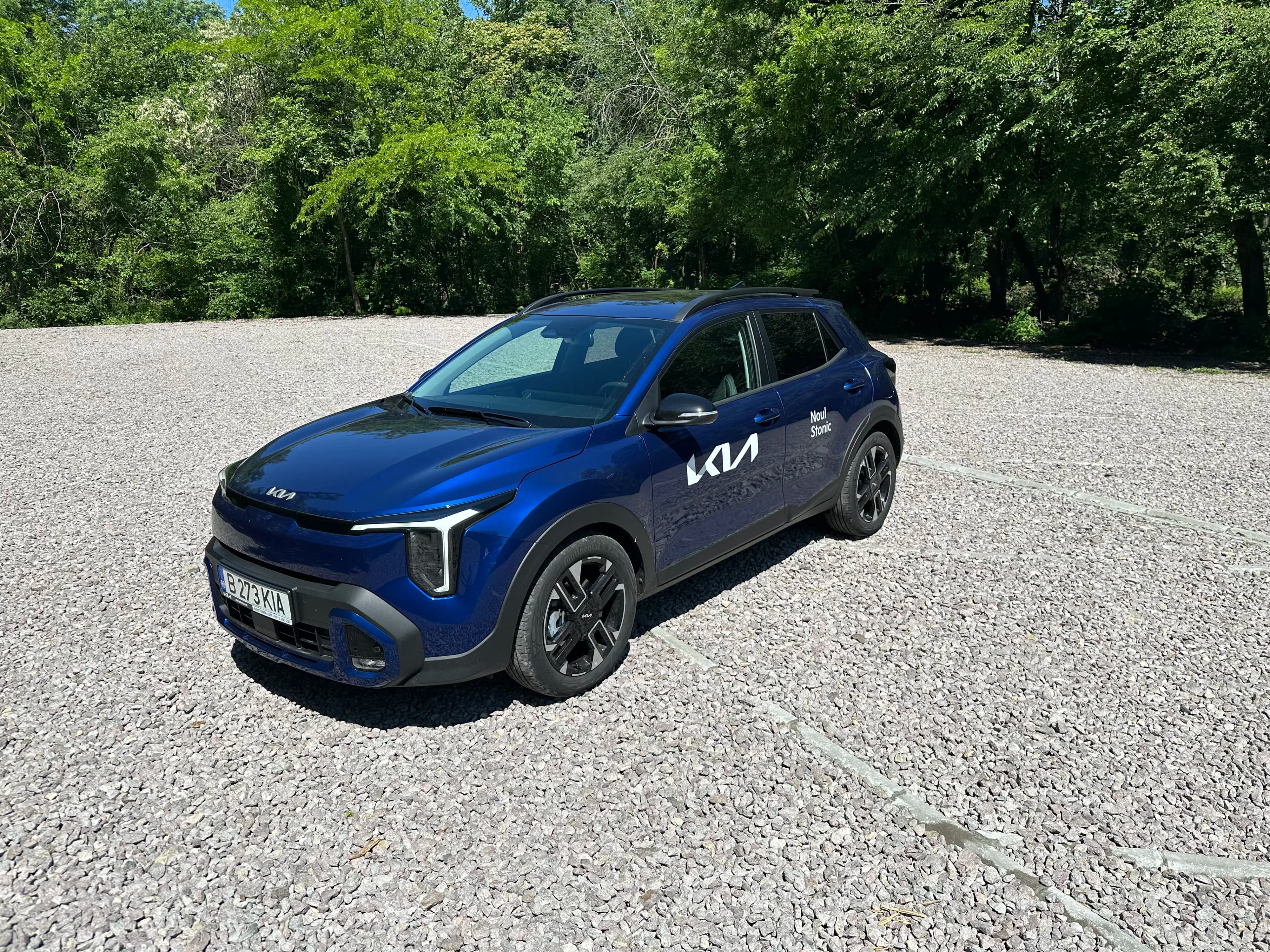
Hyundai’s strongest sales argument—if you want years of largely trouble-free motoring—is its five-year, unlimited-mileage warranty. Even so, the Kona is hard to recommend when the Kia Stonic is essentially the same car, looks sharper and carries a seven-year warranty. There is also a Hyundai Kona Electric, which is a much stronger proposition as an EV; if you do not want to go fully electric, consider the Hyundai Kona Hybrid.
Unlike its bigger sibling, the Tucson, the Kona sticks to a relentlessly basic look and feel inside. We are in favour of simplicity, but on most Kona trim levels it is almost absurd. Choose a higher-spec car and you can brighten things with colour accents and different materials; otherwise you face a sea of hard black plastic.
In Kona’s defence, everything is well assembled and we have no durability concerns. It is just a shame it lacks the style of, say, a Ford Puma or Renault Captur.
What all that sober thinking delivers is a very easy-to-read, easy-to-use dashboard. Every Kona gets a 10.25-inch digital instrument display showing speed and power use, with a central section you can cycle through different menus using steering-wheel controls.