
Photos: Motor1.com / Aston Martin. The images were requested from the supplied article gallery and stored locally as WebP files.
Aston Martin has introduced the 2027 DBX GT as a comfort-focused companion to the DBX S. It keeps the same 4.0-litre twin-turbocharged V8, 727 PS or 717 bhp, and 900 Nm of torque, but changes the way the power reaches the road and the way passengers experience the cabin. Official figures include 3.3 seconds from 0 to 100 km/h and a 310 km/h top speed.
The GT joins the DBX S in the 2027 range. Aston Martin has not yet published a final European price or a market-by-market equipment list. First deliveries are expected in the fourth quarter of 2026. The DBX 707 is being removed from the announced 2027 line-up, leaving the GT as the less aggressive-looking choice for buyers who still want super-SUV performance.
A calmer exterior design
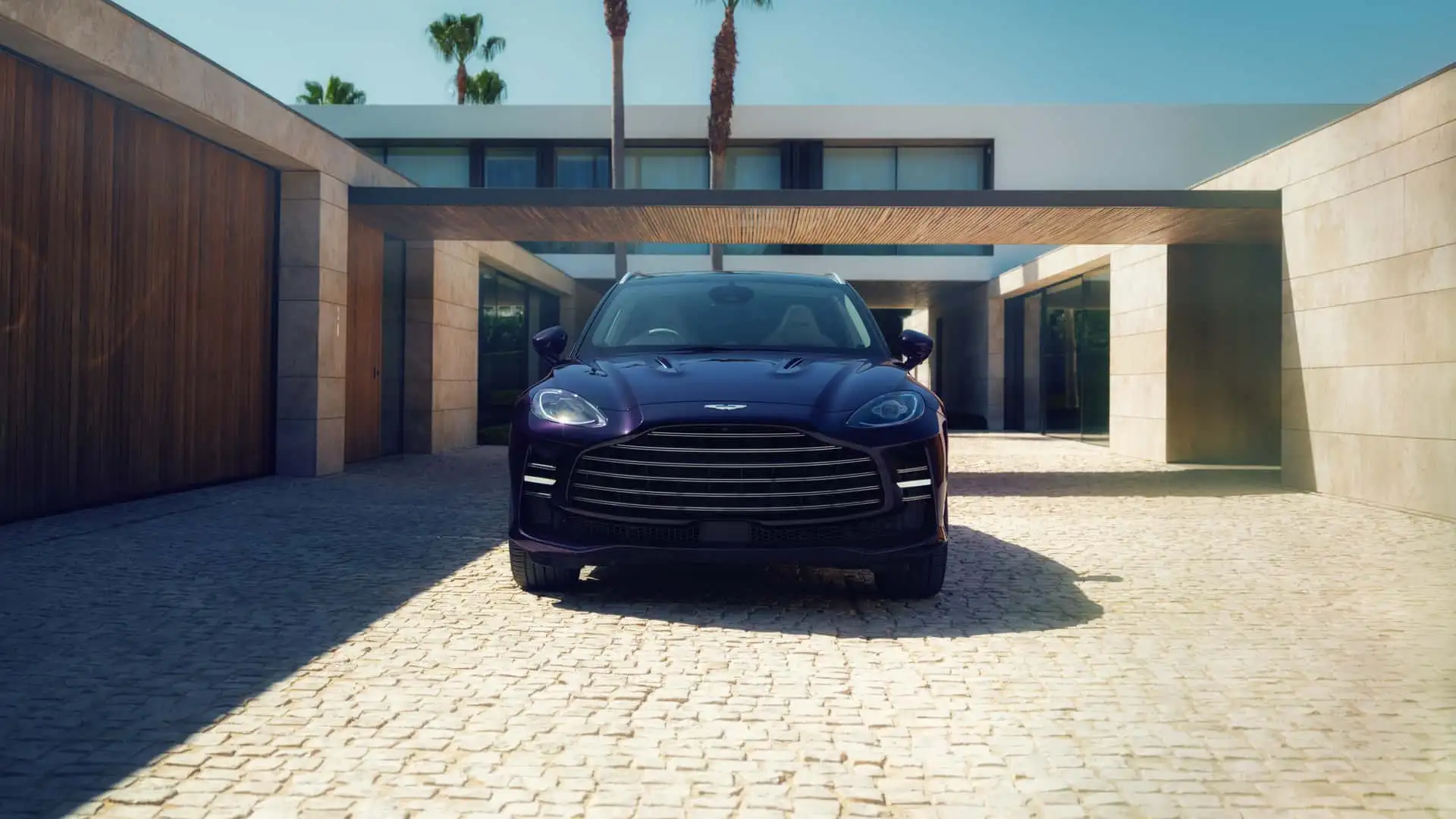
The front of the DBX GT is defined by a new double-vane metal grille. Aston Martin offers bright and dark finishes, and the vanes extend towards the outer cooling openings and daytime-running lights. The lower front bumper, side sills and rear diffuser use body-colour finishes, giving the GT a cleaner appearance than the more overtly sporting DBX S.
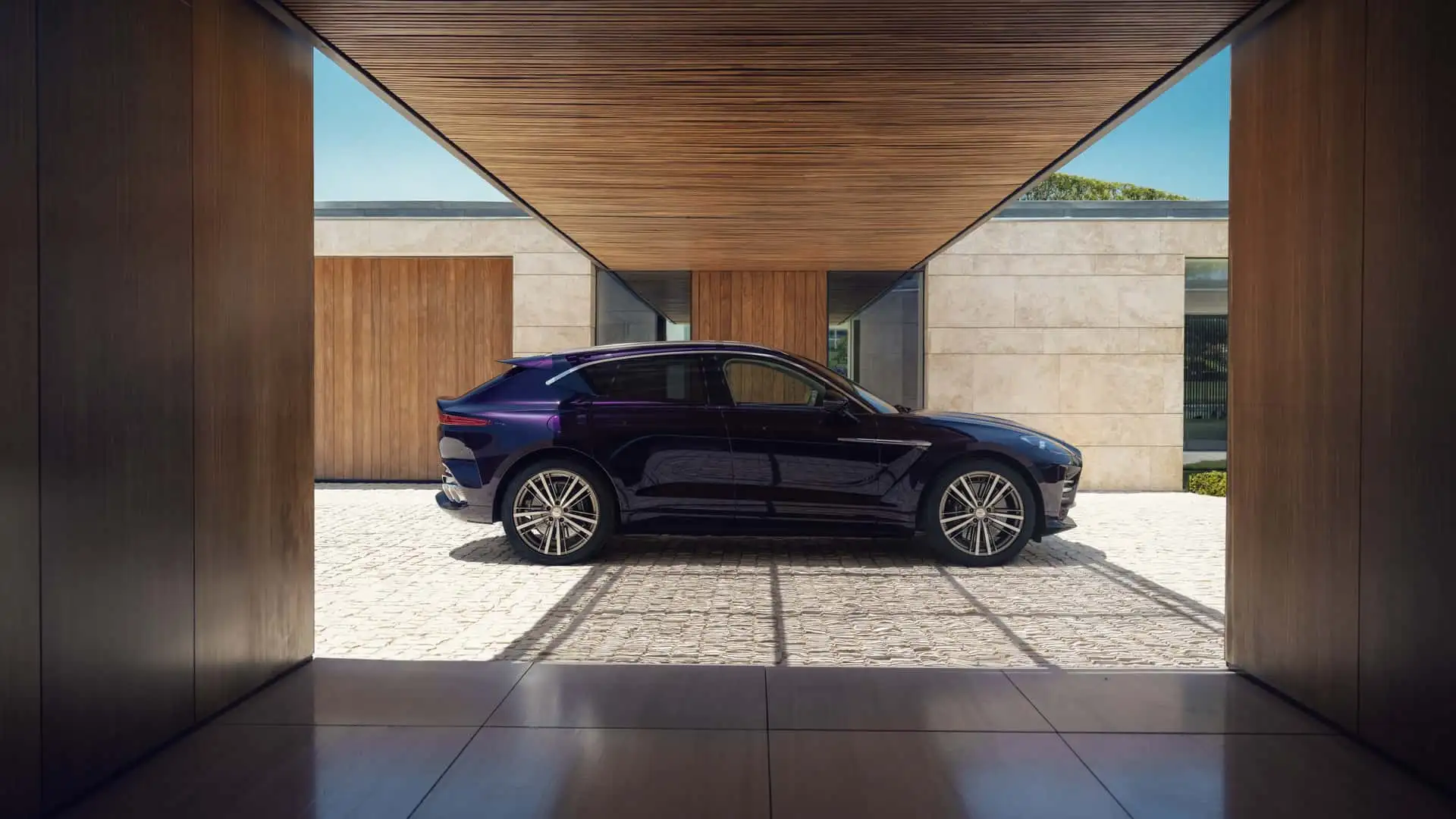
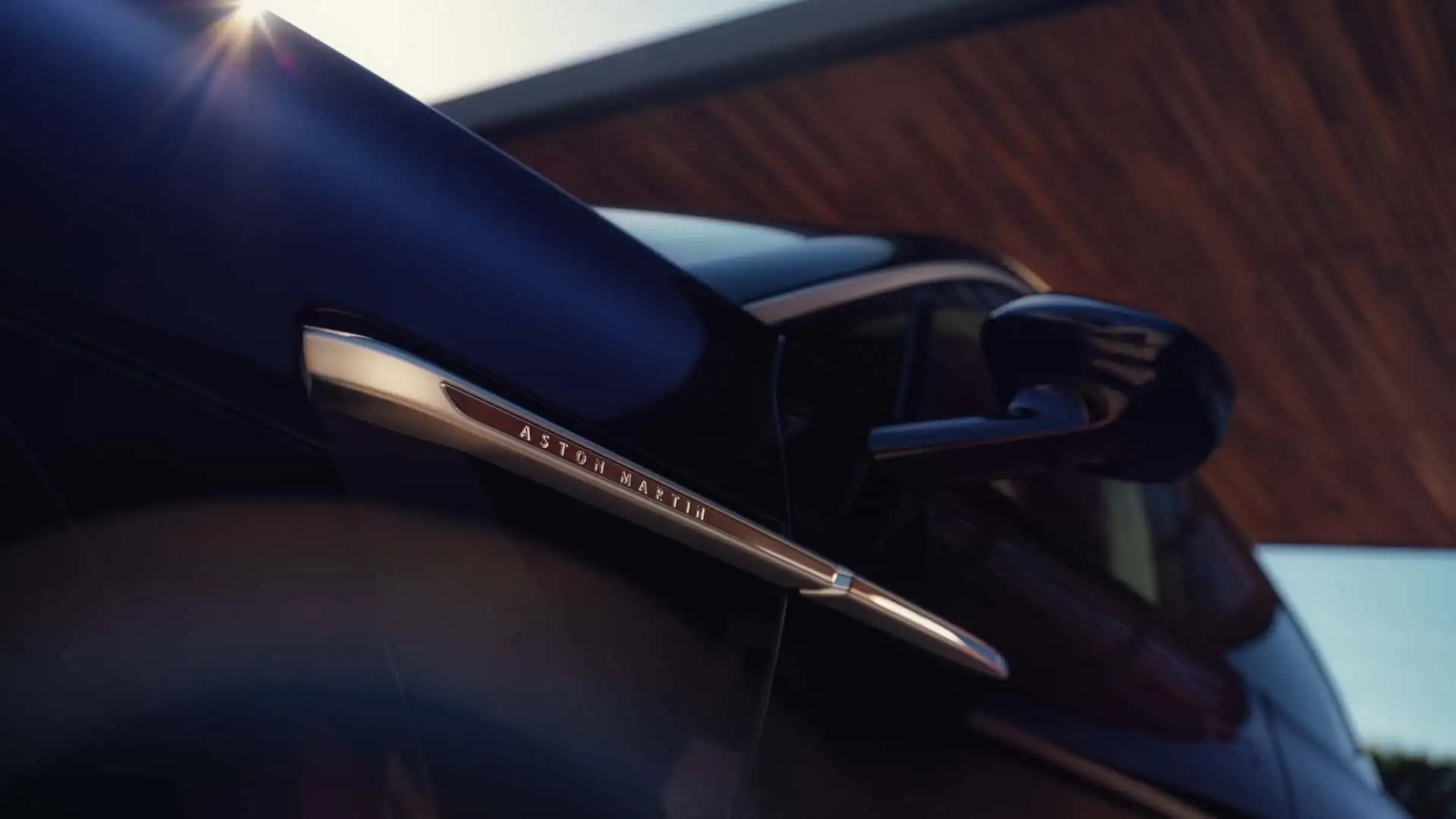
The side view brings another specific change: a two-piece metal side strake with contrasting polished and satin surfaces. Flush door handles and frameless pivoting mirrors keep the side surfaces visually simple. Standard wheels measure 22 inches and use a Satin Titanium diamond-turned finish with all-season tyres.
Customers can choose 23-inch wheels with Pirelli P Zero summer tyres or Scorpion Zero all-season tyres, depending on the market and specification. The smaller standard wheel and all-season tyre combination is part of the GT’s comfort brief. It does not change the engine output, but it gives Aston Martin another way to separate the GT from the sharper DBX S.
A distinct rear treatment
Horizontal quad exhausts
At the back, the four exhaust outlets are arranged in horizontal pairs. The outer sections are polished while the inner sections have a satin-anodised finish. The layout is more restrained than a design that places the exhausts at the corners or makes them the dominant rear feature.
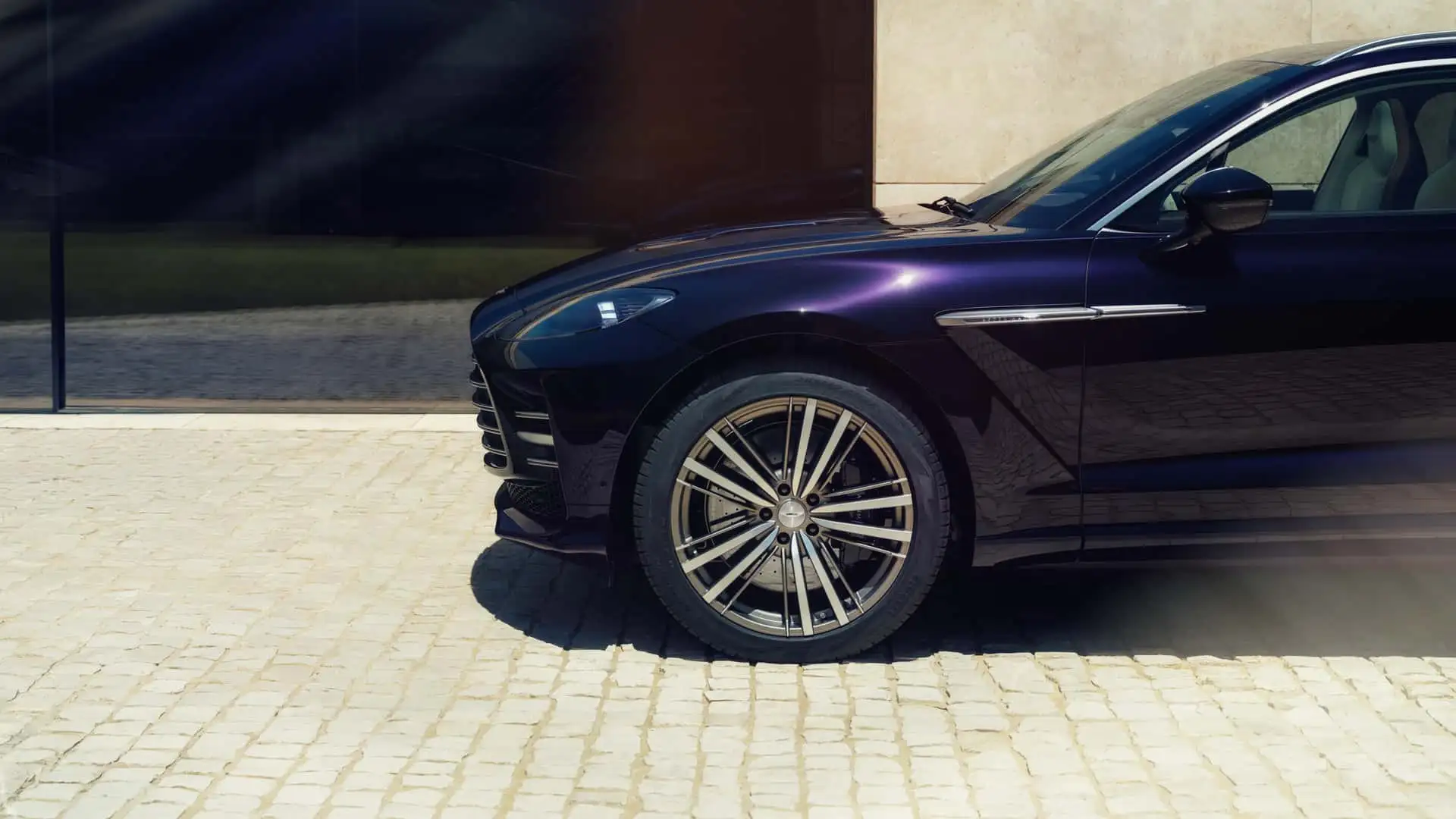
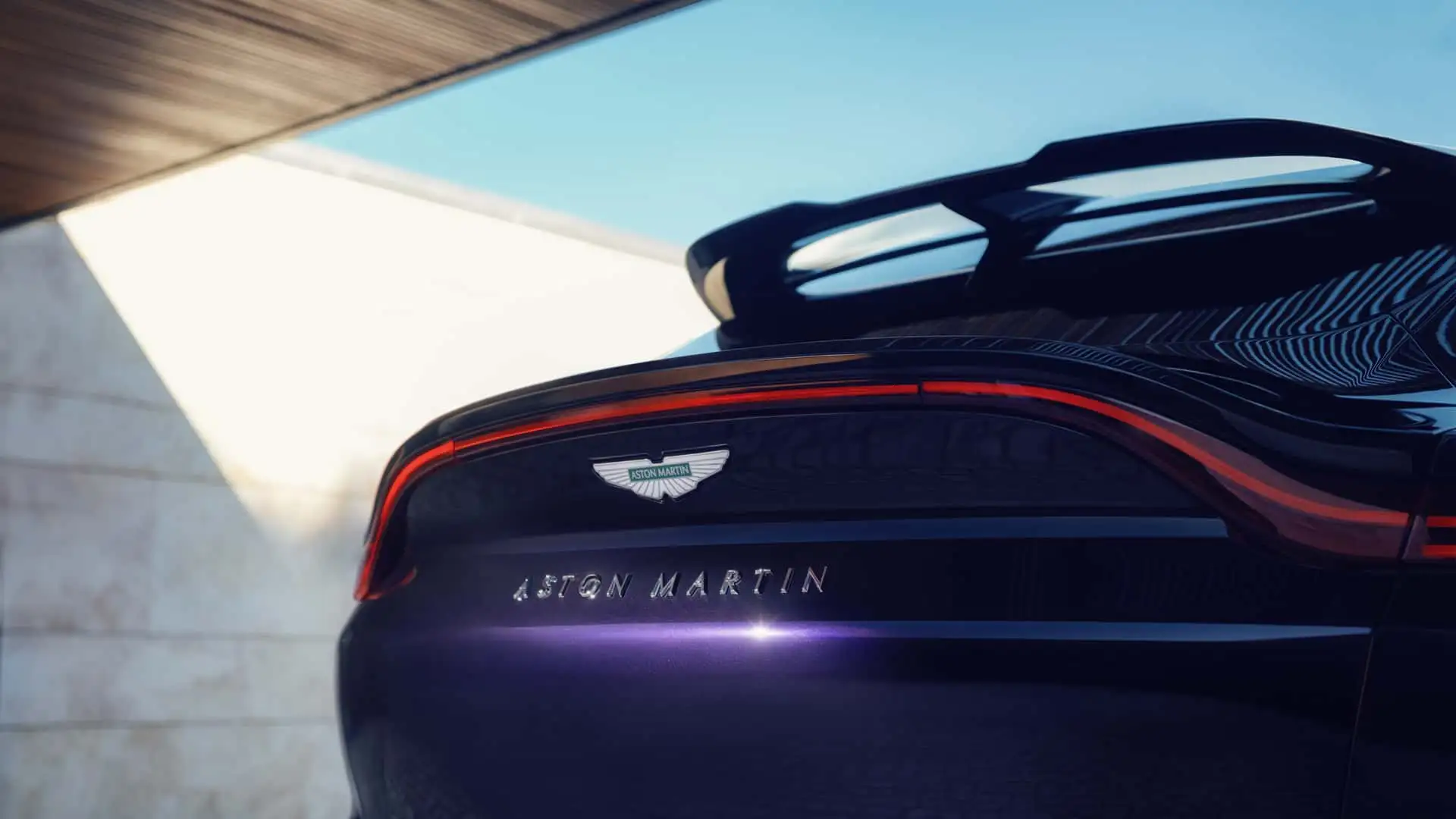
The full-width LED tail-light blade and integrated roof spoiler remain central to the DBX silhouette. The GT still has a broad diffuser, ventilated rear wheel arches and an active exhaust system. Its quieter styling should not be confused with a less capable drivetrain: the SUV retains 900 Nm and active all-wheel drive.
The body uses a continuous hot-bonded aluminium monocoque with aluminium and composite body panels. It is a five-door, five-seat SUV. Aston Martin quotes 638 litres of total loadspace volume. That is the manufacturer’s published figure rather than an independent luggage test, and luggage measurements can vary with the chosen seating layout.
Chassis changes aimed at real roads
The DBX GT receives its own damper calibration and internal damper valves. Aston Martin says the changes are intended to absorb small, high-frequency impacts such as rough pavement and rumble strips while retaining body control when the driver increases the pace. The model continues with adaptive three-chamber air suspension and a 48-volt electronic active roll-control system.
The throttle pedal has been recalibrated for more precise control, while the nine-speed wet-clutch automatic receives a smoother shift calibration. A new transmission-mount bushing is designed to control powertrain movement relative to the body. Two additional longitudinal dampers sit between the body and rear subframe to address resonance and improve the connection between the drivetrain and the cabin.
The steering ratio is 13.8:1. Carbon-ceramic brakes use 420-millimetre front discs and 390-millimetre rear discs. Those parts preserve the GT’s ability to slow from high speed, while the revised suspension is meant to make the intervening kilometres less tiring. The result is not a soft-roader in the conventional sense; it is a high-output SUV with a different calibration priority.
More work inside the cabin
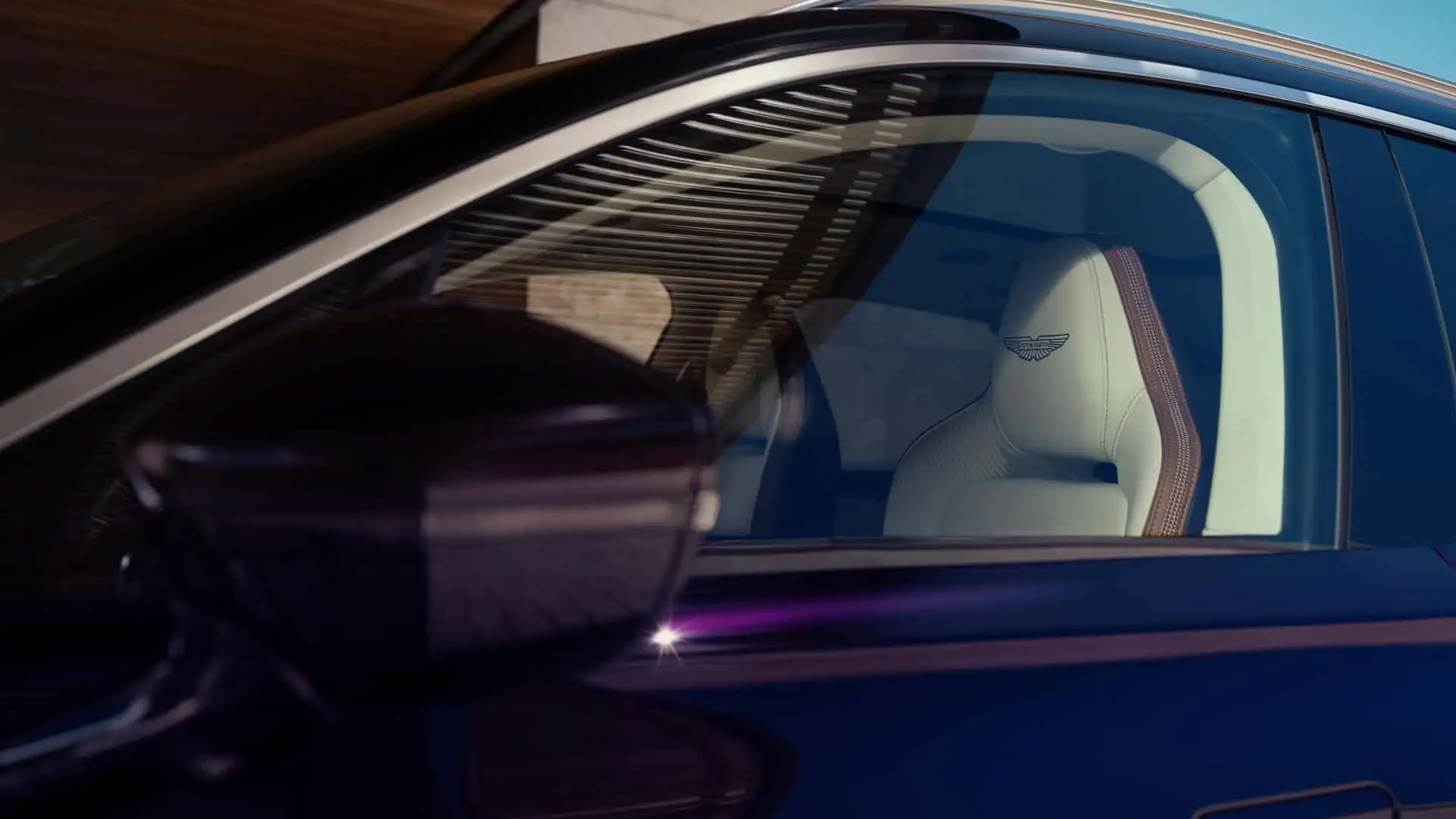
The largest changes concern the seats and sound insulation. Both rows receive revised contours, additional cushioning and new bolstering. A 10-millimetre layer of memory foam is integrated into the seat cushions. The outer rear seats can have individually sculpted positions, extended headrests and more prominent support, although the DBX GT remains a five-seater.
A standard panoramic glass roof brings more light to the second row. GT-specific upholstery can be specified in monotone, duotone or tritone combinations, using semi-aniline leather, quilting, perforation and embroidery. Aston Martin is positioning the model as a long-distance GT, so the cabin changes matter as much as the headline acceleration figure.
Noise reduction has been addressed in several areas. The company adds sound-deadening material to the doors, wheel arches and rear cargo area, and uses acoustic laminated glass for the rear side windows. Aston Martin says these measures improve its Articulation Index by 13 percent. The index describes how easily occupants can hold a conversation while the vehicle is moving; it is not a fuel-consumption or performance measurement.
The cabin also uses a metal rotary drive-mode selector, a crystal-glass Aston Martin wings start button and two main displays. The official specification lists a 10.25-inch central touchscreen and a 12.3-inch driver information display. Apple CarPlay Ultra and Android Auto are listed subject to market availability. These features are standard-equipment claims from Aston Martin, not results from a Carboratory test.
The V8 remains the headline
The engine is an all-alloy 3,982-cc twin-turbocharged V8 with direct injection, cylinder deactivation and a gasoline particulate filter. Aston Martin quotes 727 PS, equivalent to 717 bhp and 535 kW, at 6,250 rpm. Maximum torque is 900 Nm between 3,000 and 5,250 rpm.
Power reaches all four wheels through a nine-speed automatic with a wet multi-plate clutch. Aston Martin quotes 3.3 seconds for 0–100 km/h, 7.2 seconds for 0–160 km/h and a 310 km/h top speed. The source article also reports 3.1 seconds to 60 mph. That number should not be treated as an alternative 0–100 km/h measurement: 60 mph is a lower target speed than 100 km/h.
The DBX GT has five adaptive drive modes, four for road use and one for off-road driving. Its air suspension can raise the body by up to 45 millimetres or lower it by 50 millimetres. The active all-wheel-drive system can send torque to the front axle when required, while the rear-biased character remains part of the normal driving balance.
Price and availability
Aston Martin has not announced DBX GT pricing. The DBX S starts at $291,200 in the United States, but that is not a European or Romanian price and cannot be converted into an official local figure. The first customer deliveries are expected during the fourth quarter of 2026.
The DBX GT therefore occupies a precise position: it keeps the performance hardware of the DBX S while reducing the visual and ride-related emphasis on aggression. The grille, rear exhaust arrangement, dampers, seats, acoustic treatment and wheel choices all support that brief. Final equipment, pricing and availability will still need to be confirmed for each market by Aston Martin.


