Dacia will concentrate its C-segment push on Bigster and Striker. Photo source: Dacia
Dacia shelves a third compact model for now. Priority shifts to the new electric cars
Dacia has suspended the project for a third new compact-segment model, originally planned for the period ahead, and will concentrate development resources on electrifying the range. The decision leaves Bigster and Striker at the centre of the strategy through which the brand wants to increase C-segment sales.
The withdrawn project had not been shown in public, had no confirmed commercial name and no announced plant. Dropping it therefore does not cancel a car that could already be ordered, and it cannot be documented as the loss of a production programme at Mioveni.
Why Dacia is changing the plan
The manufacturer must finance at the same time the shift to electric cars and the replacement of its volume models, while still keeping prices more accessible than those of direct rivals. Management has chosen to move priority to the electric range rather than add another compact with a combustion or hybrid powertrain.
In the futuREady strategic plan, presented in March 2026, Dacia set the objective of launching four electric cars by 2030. By then, two thirds of the brand’s sales are expected to come from electrified models, a category that includes both fully electric cars and hybrids.
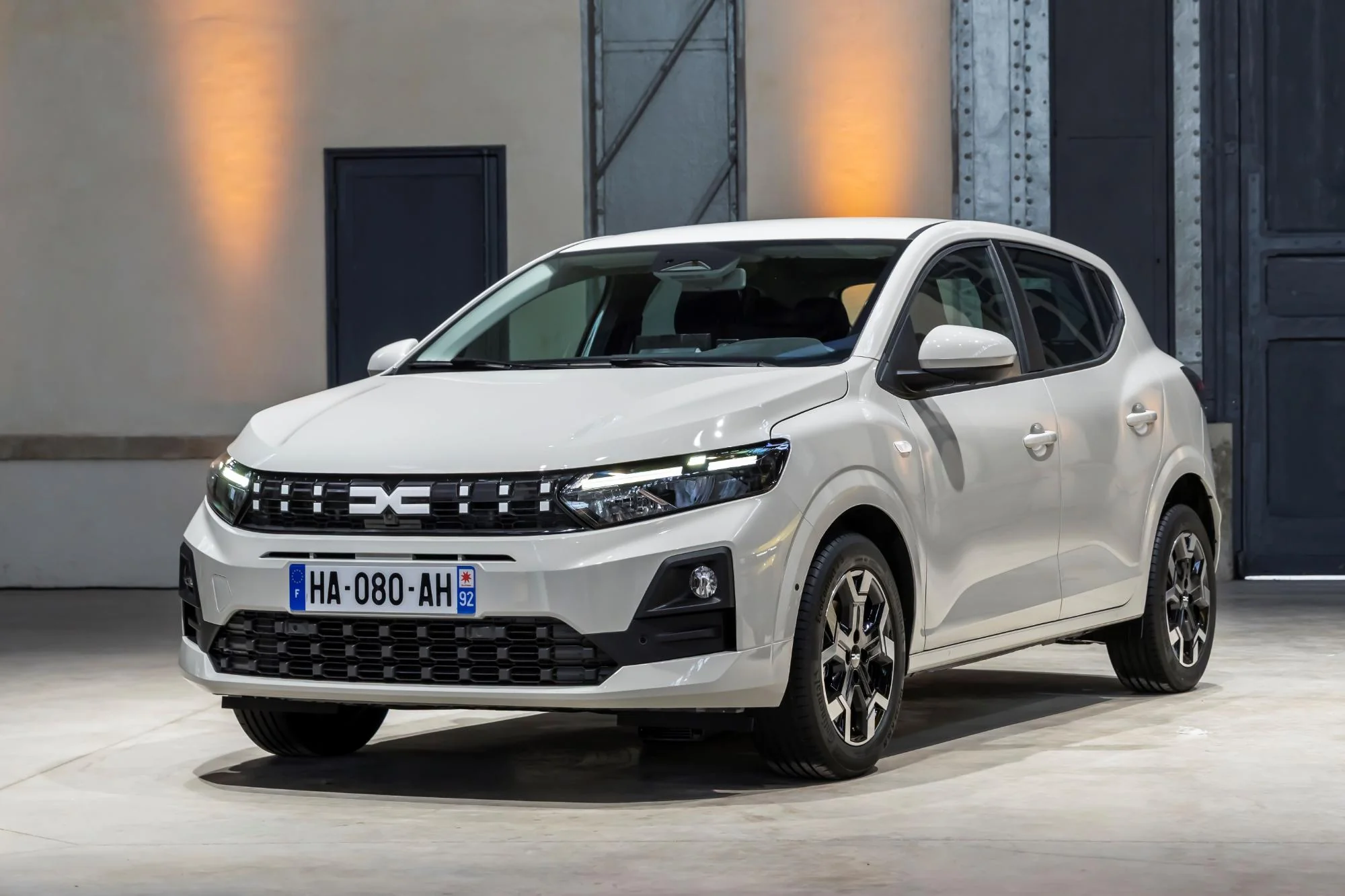
The next-generation Sandero will play an important role in this transition. Dacia is preparing an architecture that can support electric versions, but it also intends to keep internal-combustion engines where demand and regulation justify them.
Bigster and Striker remain the two key C-segment models
Bigster opened Dacia’s push into larger compact SUVs. The model is about 4.57 metres long and is built at Mioveni alongside Duster.
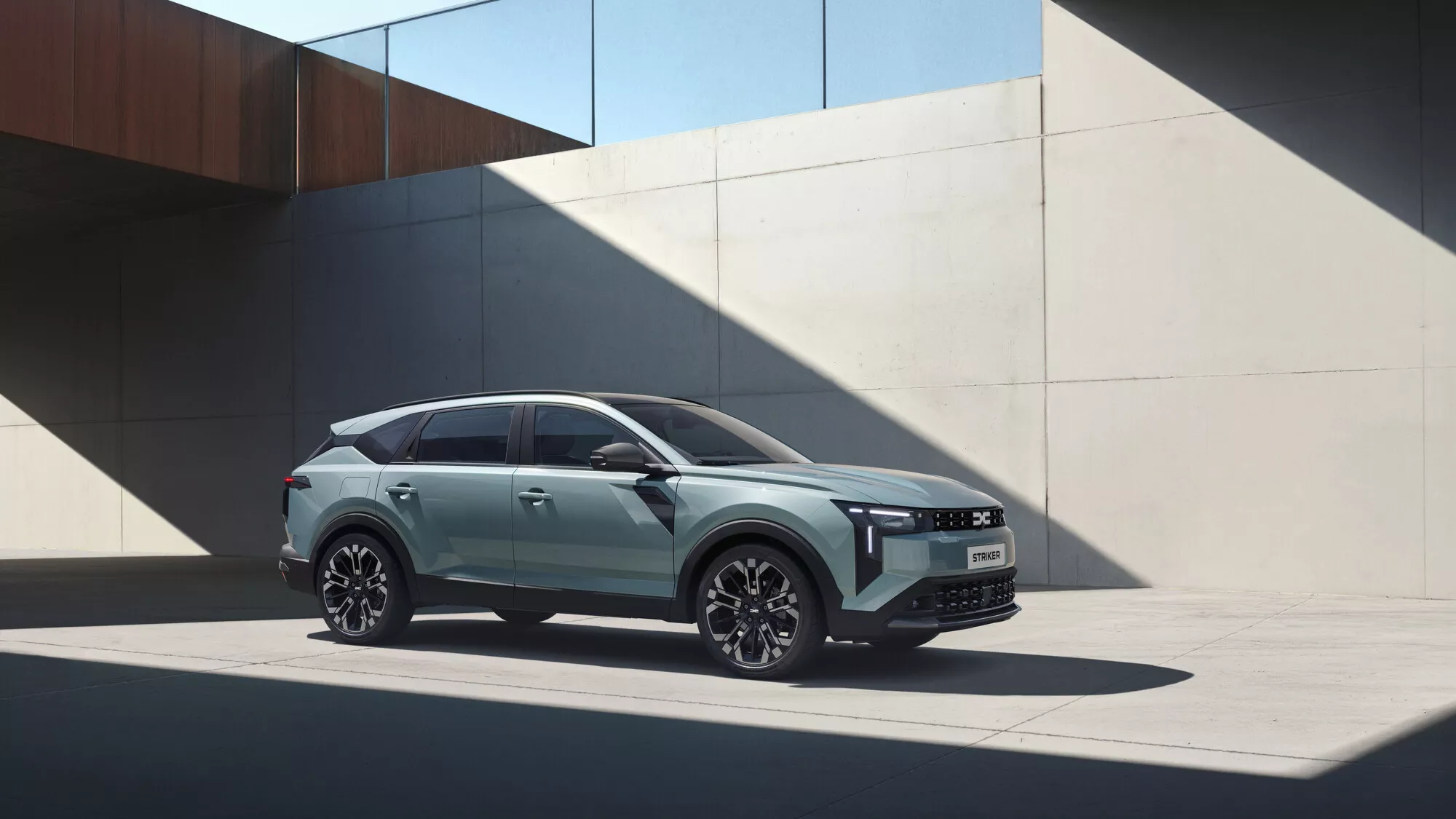
Striker is the second pillar of the new strategy. The crossover has a longer, lower silhouette than Bigster, a length of about 4.62 metres and a position between estate and SUV. Dacia has announced hybrid powertrains, an LPG version and a hybrid all-wheel-drive system.
| Dacia objective | Stated situation |
|---|---|
| Central models of the C-segment push | Bigster and Striker |
| C-segment share of sales | from about one fifth to one third by 2030 |
| Electric cars launched by 2030 | 4 |
| Share of electrified models in 2030 | about two thirds |
| Third new compact project | suspended, with no name or production version shown |
Jogger remains in the current range and is also classed in the C-segment, but Bigster and Striker are described by the company as the pair on which the next growth phase in this class depends. The phrase “third model” refers to a project additional to the two priority newcomers, not to the immediate disappearance of Jogger.
Permanent cancellation or delay?
Available information describes the project as put “on ice”. That indicates it is stopped in the current planning cycle, but does not rule out later reuse of the idea, the platform or the design studies.
Product plans change with regulation, battery costs, demand and plant capacity. Until Dacia announces a restart, the third compact should not be treated as part of the launch calendar.
The decision is consistent with the company’s current official plan, which explicitly mentions two complementary models for the C-segment push: Bigster and Striker.
What Dacia gains from a narrower range
A new model requires investment in design, testing, type approval, production tooling, components, marketing and distribution. If the car overlaps too much with other products in the brand, volumes for each can become insufficient to recover those costs.
Concentrating on two compact models allows the same engine families and components to be used in higher volumes. The funds freed up can go to electric platforms, batteries, software and adapting plants to new European requirements.
There is also a commercial risk: a narrower range covers fewer body styles and can leave room for competitors. Dacia is betting that Bigster covers family-SUV buyers, while Striker attracts customers who want a more aerodynamic car closer to a crossover estate.
What the decision means for the Mioveni plant
There is no confirmation that the abandoned project had been allocated to the Romanian plant. For that reason, the direct effect on vehicle numbers or jobs at Mioveni cannot be calculated.
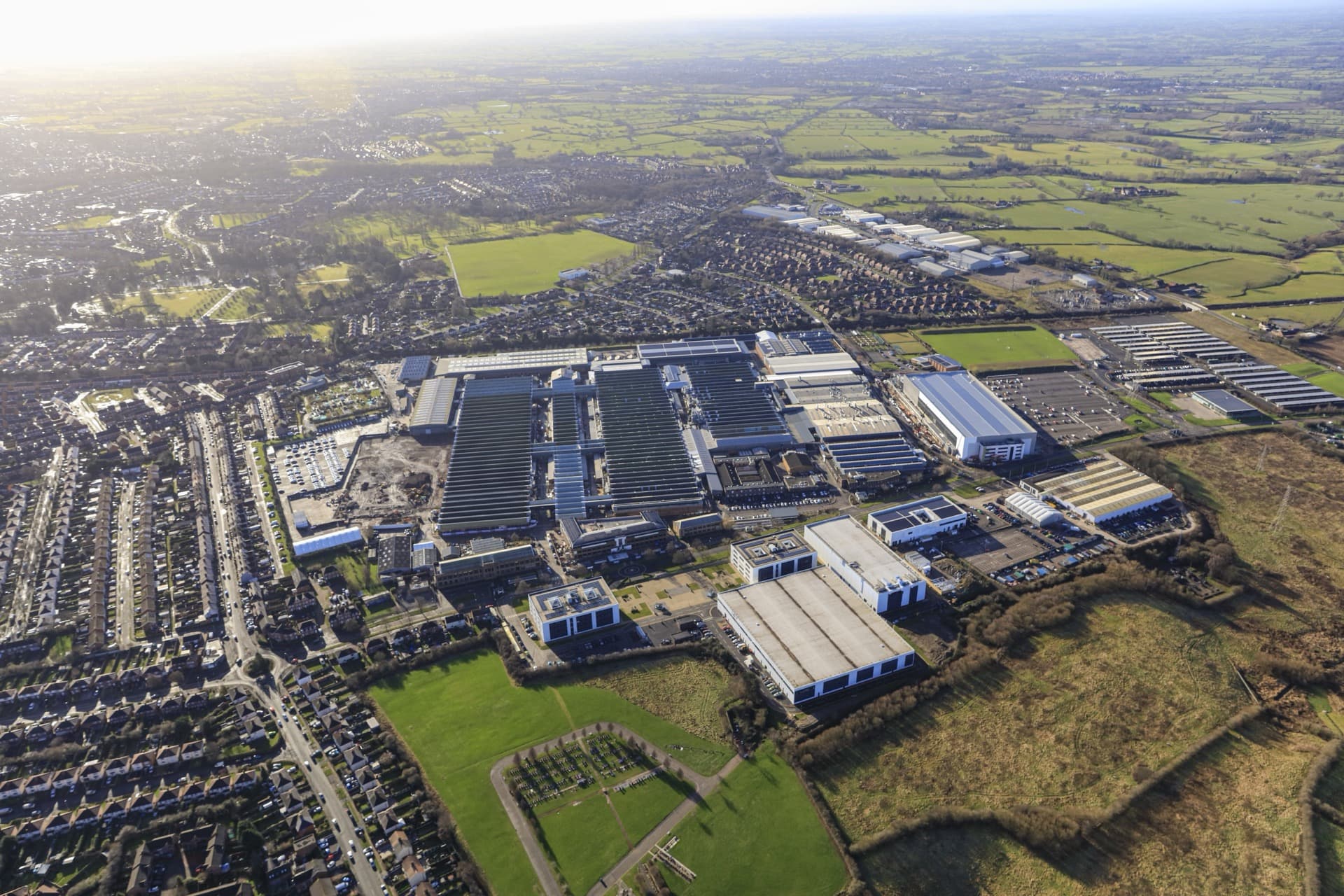
Dacia’s Mioveni factory currently builds Duster and Bigster, and the Renault Group page for the site indicates more than 6,000 employees at the end of 2025. The plant also makes chassis components and provides logistics for other group factories.
Striker is planned for production in Turkey, according to information communicated in Romania by the Automobile Dacia union. The new A-segment electric model is associated with Renault’s plant in Slovenia. Those industrial choices are separate from stopping the third compact-car project.
For Mioveni, the concrete factors remain Duster and Bigster volumes and any future investments announced officially. A project without a name, calendar or location cannot be counted as lost production in Romania.
What comes next in the Dacia range
In the short term, the C-segment expansion continues through the commercial launch of Striker. In the medium term, Dacia will prepare successors to its volume models and raise the number of electric cars from one to four by 2030.
The target remains ambitious even without the third compact: Dacia wants C-segment cars to account for one third of sales, compared with about one fifth today. The outcome will depend mainly on the commercial performance of Bigster and Striker, not on the breadth of the range.
Sources
- Dacia – the futuREady strategic plan and 2030 objectives
- Renault Group – Dacia strategy and the Bigster–Striker pairing
- Autocar – Dacia suspends the third compact-model project
- Renault Group – official data on the Mioveni plant
- AGERPRES – union information on how production of the new models is allocated