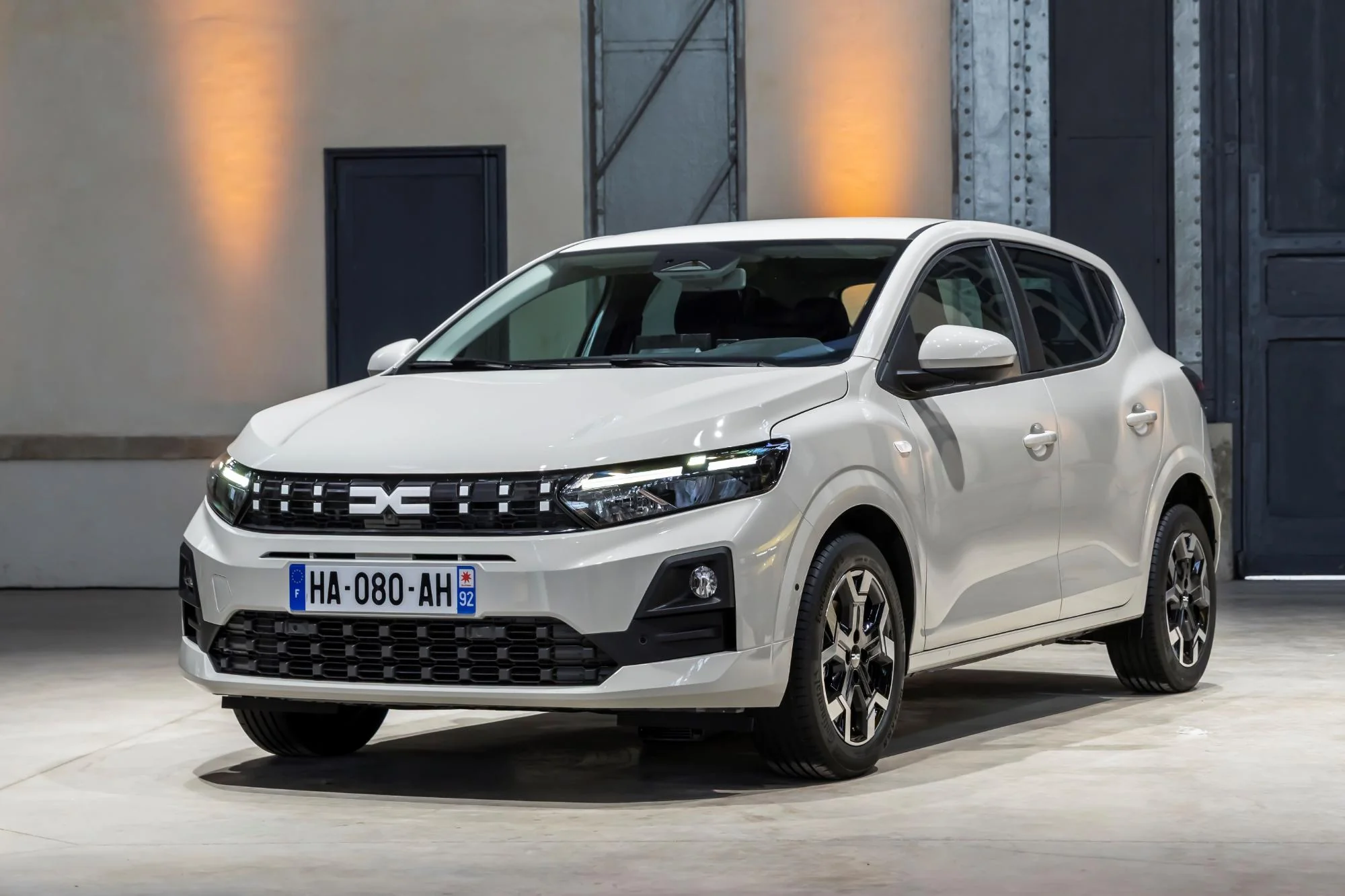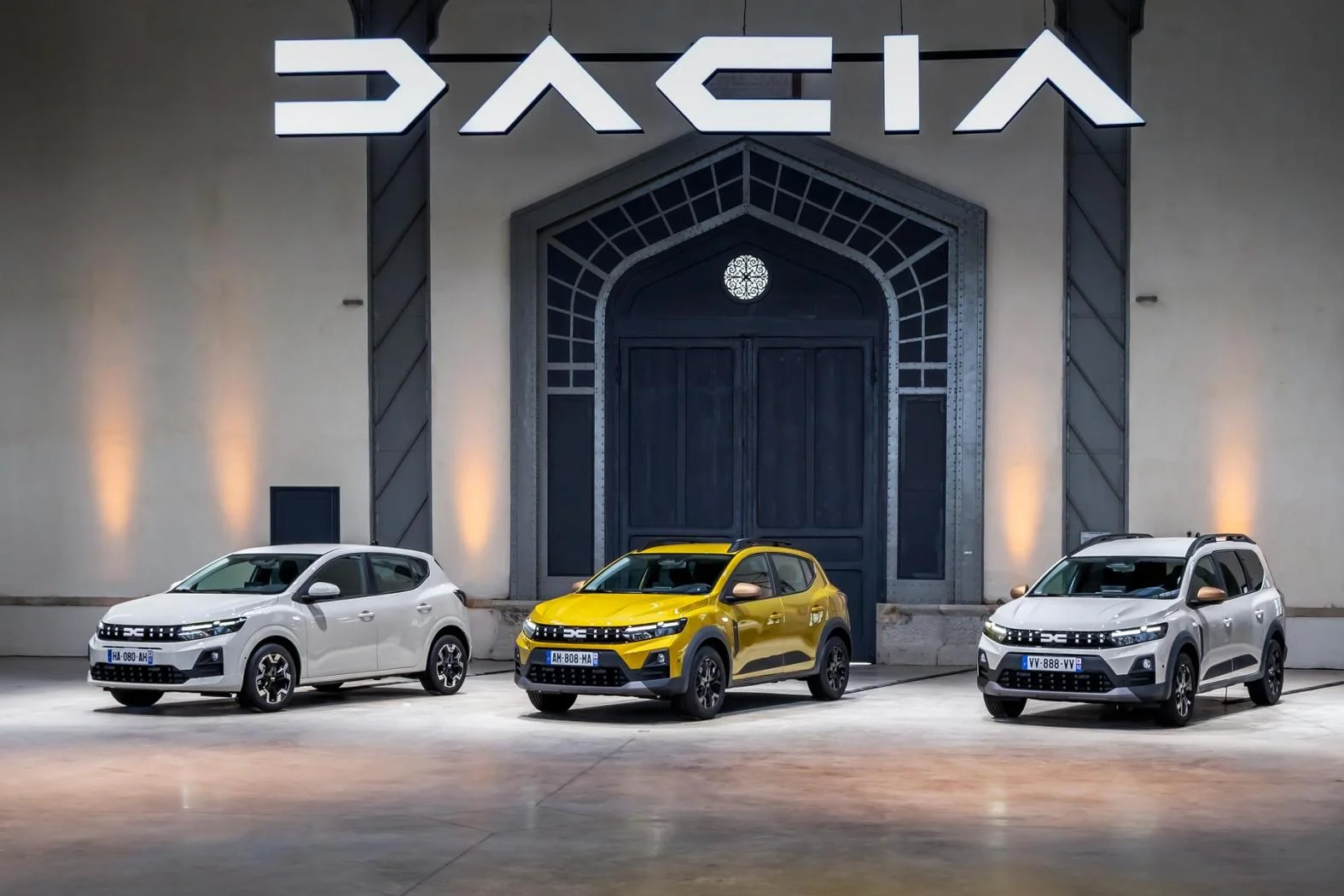
Dacia leads the ranking of new passenger-car registrations in Romania after the first eight months of 2026. Photo source: Dacia
New-car registrations fell 36.85% in August 2026. Dacia remains the leader after eight months
In Romania, 9,552 new passenger cars were registered in August 2026, 36.85% fewer than in the same month of 2025, according to ACAROM and DGPCI data. It is the second strong monthly decline in a row, after the 28.25% drop reported for July.
The August result does not, however, mean the market has lost more than a third over the whole year. In the January–August period, 86,142 new passenger cars were registered, down 10.12% compared with the first eight months of 2025.
August pulled down the eight-month total
After the first seven months, the market numbered 76,590 new passenger cars and was 5.7% below the 2025 level. The 9,552 units added in August widened the cumulative gap to 10.12%.
Registrations measure cars that received number plates, not contracts signed in showrooms in the same month. Between order, delivery, final payment and registration there can be an interval of several weeks or months. That is why the monthly statistic reflects both recent demand and deliveries of older orders.
The decline should also be read in the context of the Rabla 2026 programme. A new stage for private individuals began only on 25 August, with 93.737 million lei redistributed. Cars ordered through this round could not substantially influence registrations in the same month.
Dacia has almost twice Toyota’s volume
Dacia leads the brand ranking after the first eight months of 2026, with 17,114 new passenger cars. The Mioveni brand accounts for almost one fifth of the market reported by ACAROM for this period.
Toyota occupies second place with 9,251 units, followed by Škoda with 7,121 and Volkswagen with 6,579. The gap between Dacia and Toyota is 7,863 cars.
The ranking of the top ten brands in the January–August 2026 period is:
- Dacia — 17,114 units
- Toyota — 9,251 units
- Škoda — 7,121 units
- Volkswagen — 6,579 units
- Renault — 3,933 units
- Mercedes-Benz — 3,472 units
- BYD — 3,465 units
- Ford — 3,457 units
- Hyundai — 3,396 units
- BMW — 3,106 units
BYD is only seven units behind Mercedes-Benz and eight ahead of Ford. Positions five to eight are thus separated by fewer than 500 passenger cars.
Electrics rise, petrol and diesel fall
The trend differs greatly by propulsion. In the first eight months, 7,018 fully electric passenger cars were registered, 50% more than in the same period of 2025.
The hybrid category reached 49,282 units, up 2.1%. ACAROM’s summary data group hybrid cars in a broad category, so the figure should not be interpreted exclusively as the volume of full-hybrid or plug-in hybrid models.
The other propulsion types declined:
- petrol: 15,419 units, minus 31.3%;
- diesel: 5,269 units, minus 39.7%;
- LPG: 9,154 units, minus 24.9%.
Hybrids account for more than half of the new passenger-car registrations reported for January–August. Their advance of only 2.1%, however, shows that the change in market structure also comes from the rapid decline of petrol-only or diesel-only models, not just from a surge in hybrid volume.
Used cars remain more than twice as numerous
In August, 25,923 used passenger cars brought in from abroad were registered for the first time in Romania, 14.5% fewer than in August 2025. Over the first eight months, the total reached 199,570 units, down 13.4%.
Even in decline, the used segment had a volume about 2.3 times larger than that of new passenger cars in the January–August period. The comparison does not include domestic resales of cars already registered in Romania, only their first registration in the country.
What the end of the year may change
In the Rabla session opened on 25 August, funds for electric cars were exhausted on the same day, according to the AFM platform. For combustion and hybrid cars, 46.236 million lei were still available at the beginning of September.
Reserved eco-vouchers can support deliveries in the coming months, but they do not guarantee all registrations: applicants and dealers must complete the programme stages, and the cars must be delivered and registered. The next DGPCI statistics will show whether the July and August decline represented a postponement of purchases or a more persistent reduction in demand.