
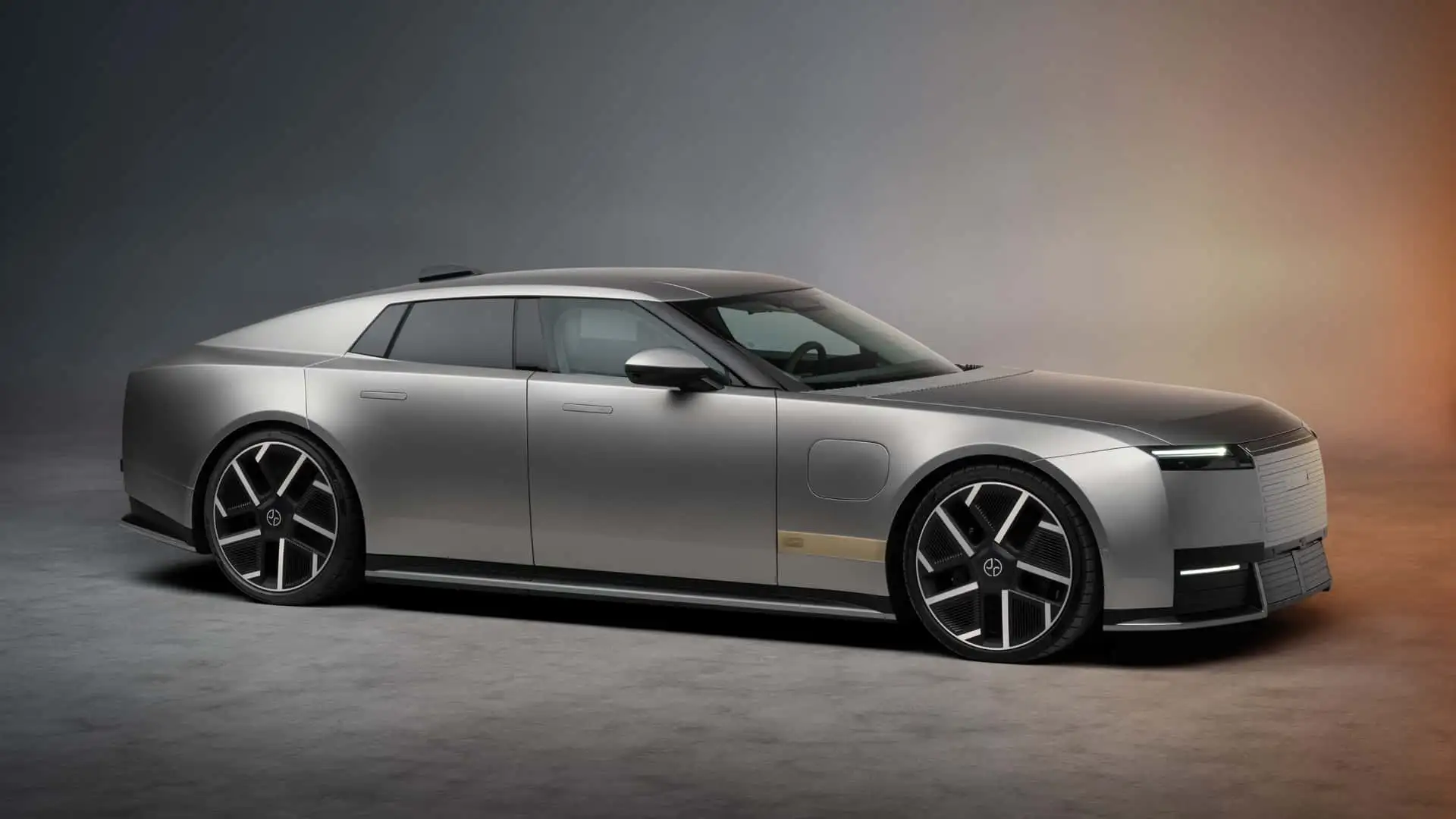
Jaguar has revealed the Type 01 as its first production car built on the Jaguar Electric Architecture. The four-seat electric GT uses three motors, produces up to 1,030 PS and 1,365 Nm, and is expected to cover up to 720 kilometres on the WLTP cycle. Customer orders are expected to open in early 2027, with first deliveries anticipated in the second half of the year.
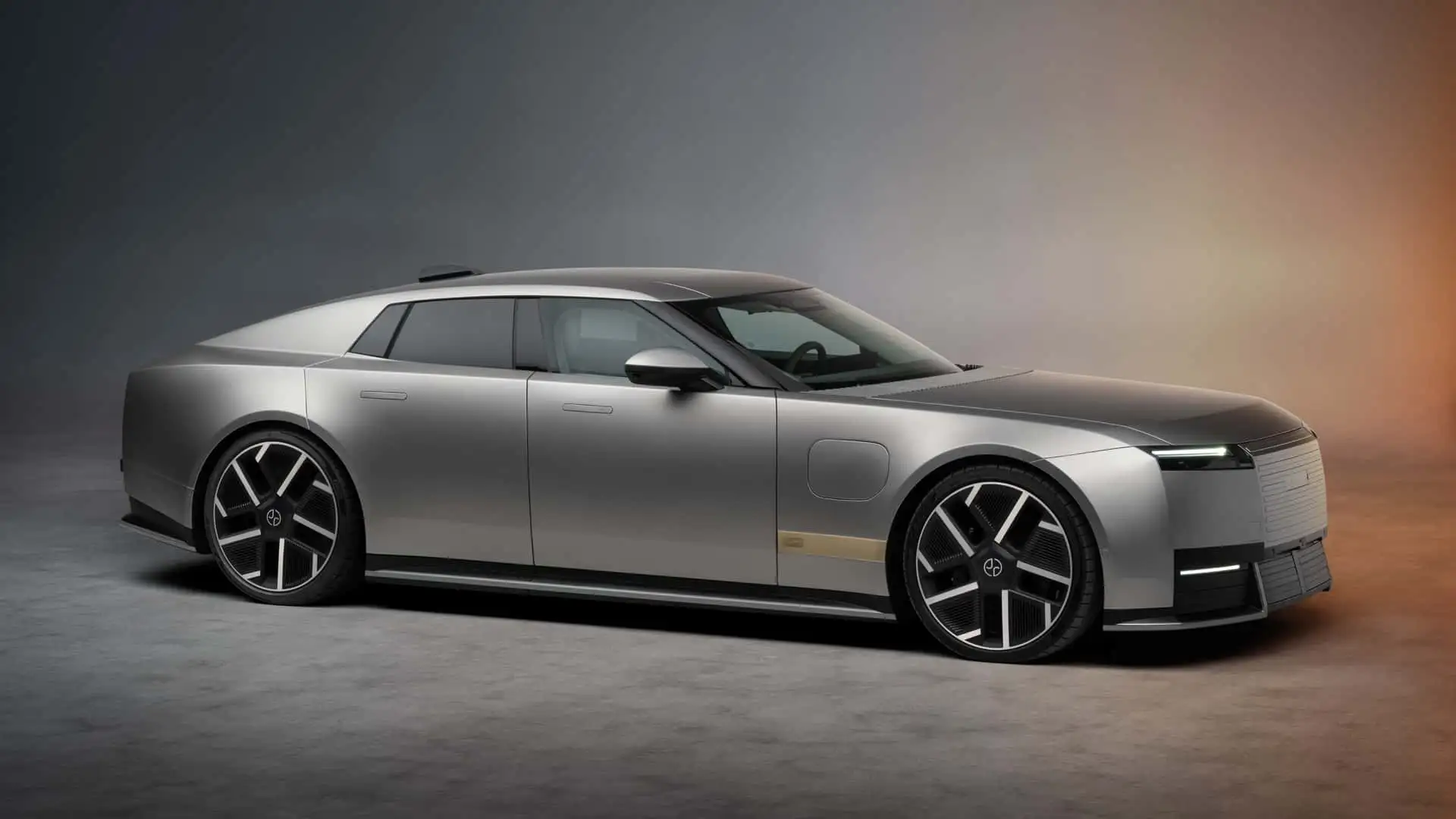
Image published with the supplied Motor1 article and credited there to Jaguar. Commercial reuse rights are not independently confirmed.
Powertrain and battery
The tri-motor layout places one electric motor on the front axle and two at the rear. Jaguar has not published individual motor outputs, but gives a combined maximum of 1,030 PS and 1,365 Nm. All-wheel drive is managed by Intelligent Torque Vectoring, which can adjust torque delivery across the car as conditions change.
Jaguar quotes 3.2 seconds for 0–100 km/h and 4.0 seconds for 100–180 km/h. These are manufacturer figures, not Carboratory measurements. The company has not yet published the final kerb weight, energy-consumption figure or top speed, so the performance numbers cannot be assessed separately from the car’s eventual mass and tyre specification.
The usable battery capacity is 118 kWh and the electrical system runs at 850 volts. With a 350-kW DC charger, Jaguar says the car can add up to 321 km of range in 13 minutes. A 10–80 per cent session is expected to take about 22 minutes. Charging time depends on battery temperature, state of charge, charger output and the condition of the pack, so these are operating targets rather than guarantees for every stop.
Jaguar quotes up to 720 km of WLTP range and an expected EPA range of up to 400 miles for the United States. The company’s technical notes describe these figures as estimates before full certification and warn that wheels, accessories, weather, load and driving style can change the result. The 720-km figure therefore describes a test-cycle ceiling, not a promise of 720 km on a motorway in winter.
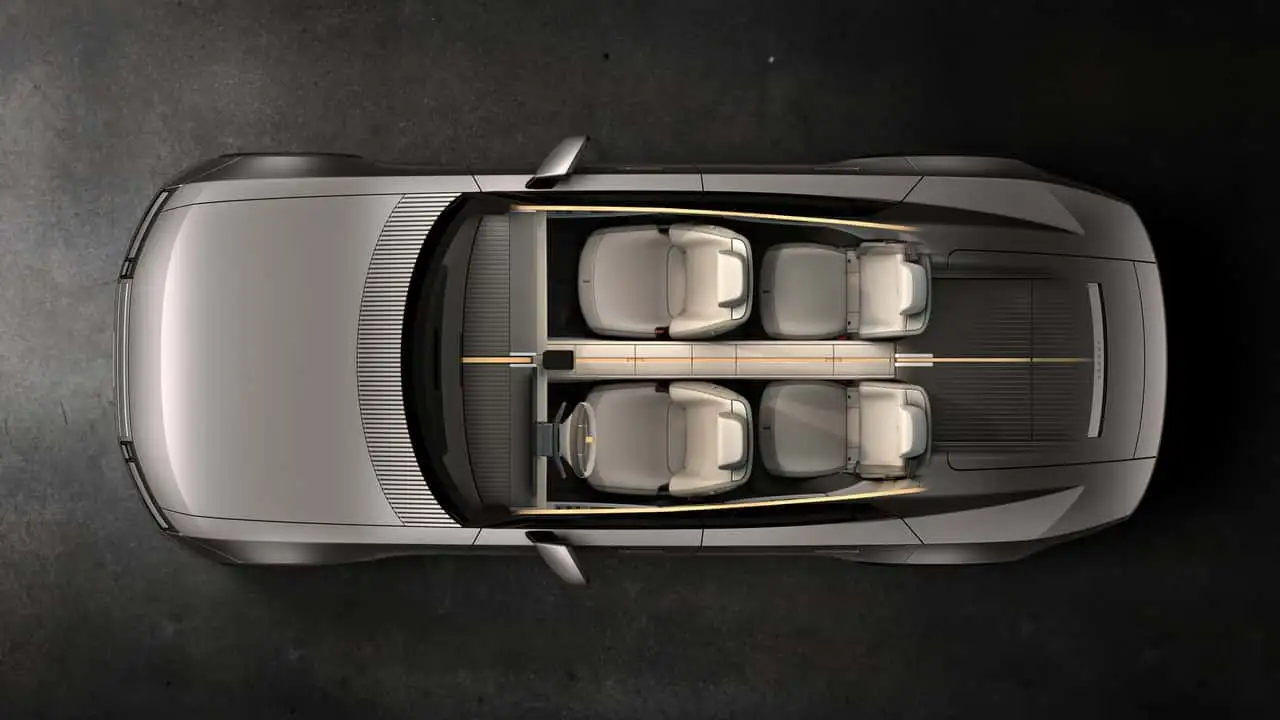
The four-seat layout and full-length central spine are visible in the second image from the supplied article. Credit: Jaguar; reuse rights remain subject to confirmation.
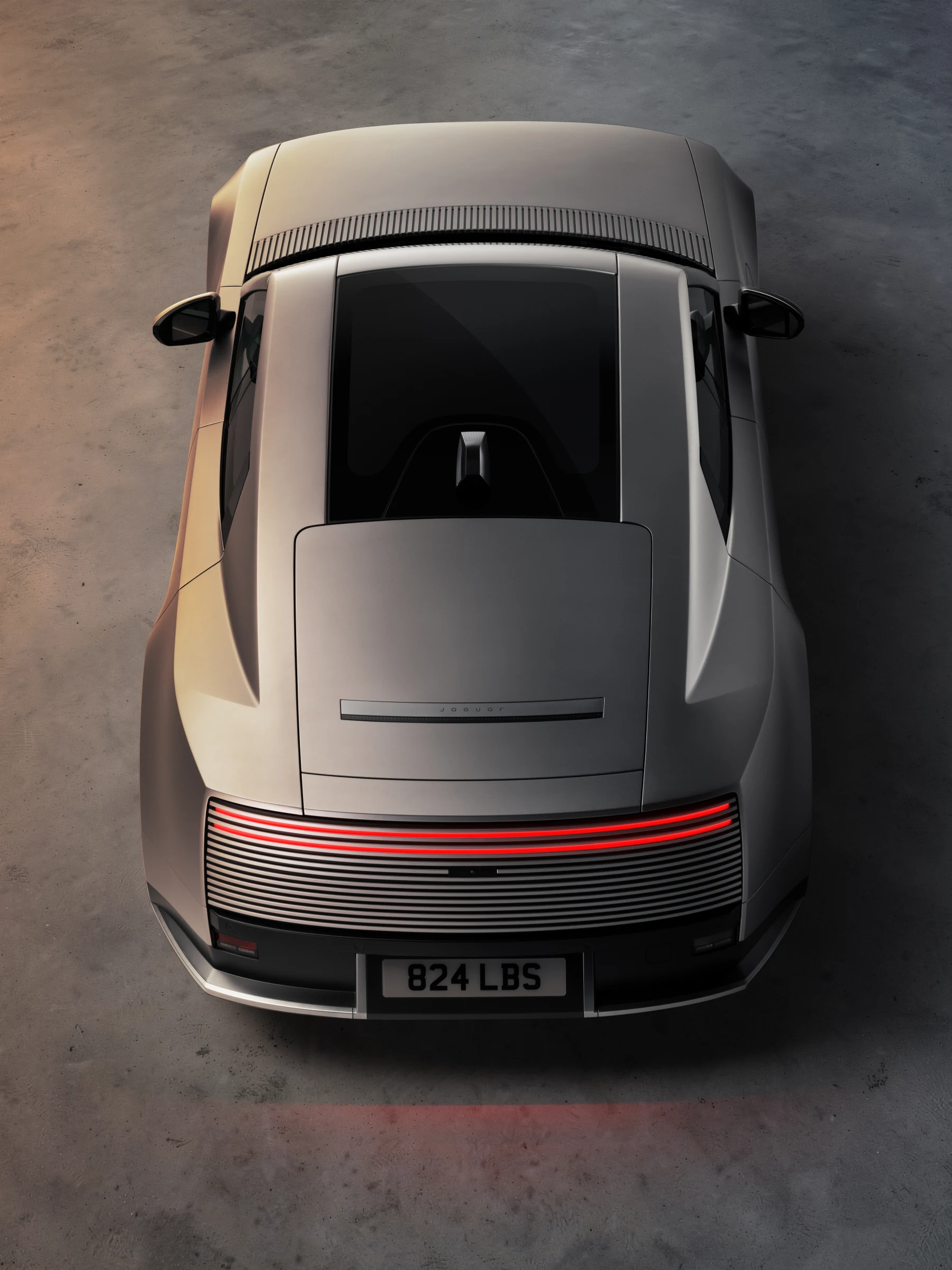
Official Jaguar rear view showing the full-width light graphic and rear grille treatment.
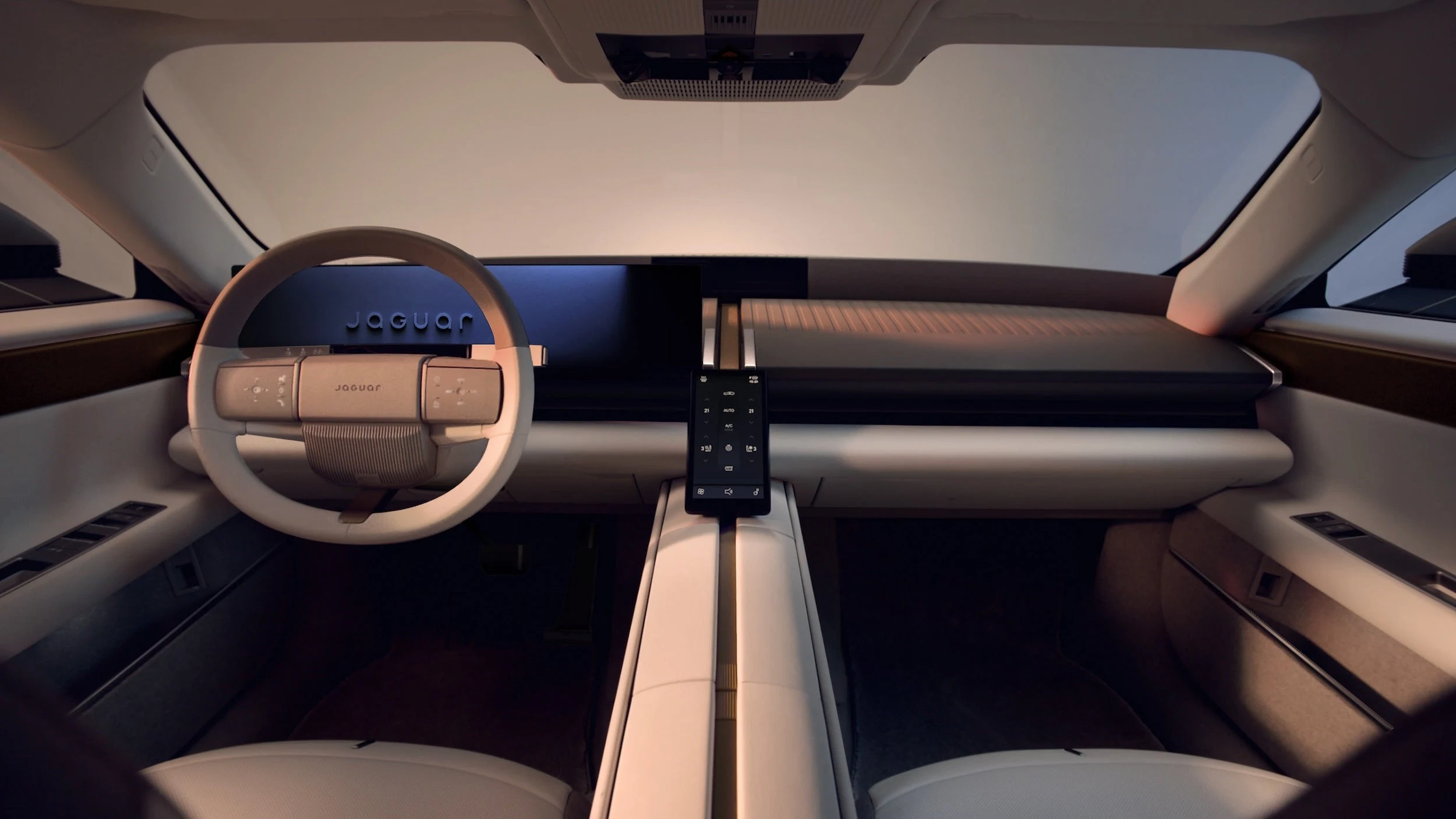
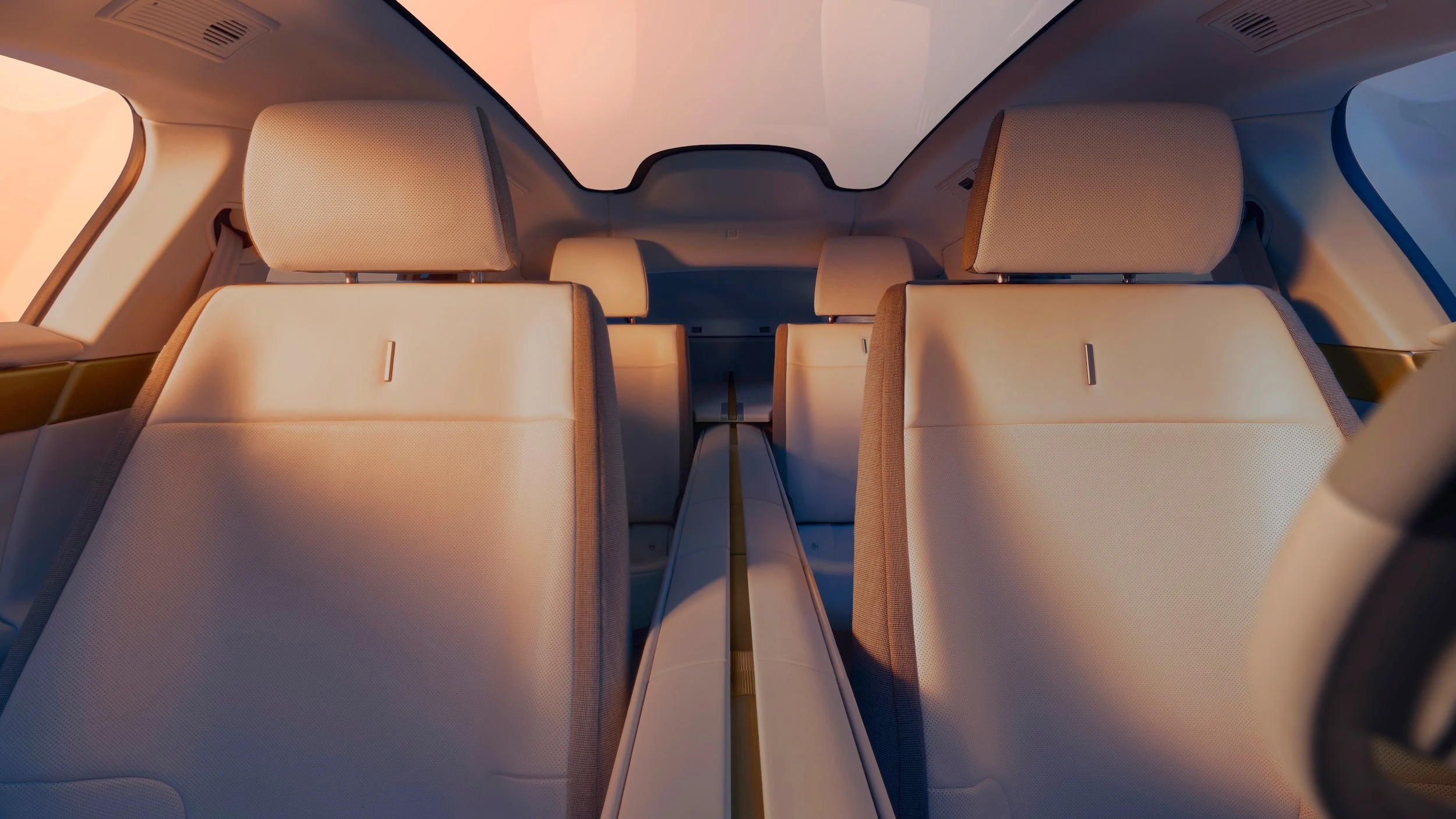
Official Jaguar interior images. Source and editorial usage basis: Jaguar Media Centre.
A large GT with active aerodynamics
The Type 01 is approximately 5.24 metres long and 1.40 metres high. Its proportions combine a long bonnet, a low roof and short overhangs. Jaguar lists 23-inch wheels, with 21-inch wheels also available. The final range and energy-use figures may therefore differ between configurations.
The company gives the car a drag coefficient of 0.23. Active front vanes open when the powertrain or brakes require additional cooling. A three-stage rear spoiler changes the airflow at speed and can lower the body when deployed. Jaguar presents the system as part of the car’s effort to combine long-distance comfort with high-speed stability; it has not published a full downforce map or independent aerodynamic test data.
The front lamps use HD LED projection and automatic levelling. Jaguar says each headlamp contains 20,000 LEDs. The rear lamps are hidden within the full-width rear graphic, while the flush door handles are integrated into the body. These details connect the production car to the Type 00 design vision without making the production vehicle a concept car.
Chassis and drive modes
The suspension uses air springs at all four corners, switchable-volume air springs and twin-valve active dampers. The front axle uses a double-wishbone layout and the rear uses an integral-link arrangement. All-wheel steering is included. At low speed, the rear wheels can turn by up to around six degrees, giving a turning circle of roughly 11.5 metres.
Five drive modes are listed: Jaguar, Dynamic, Efficient, Ice & Snow and Curated. Dynamic can send up to 87 per cent of available power to the rear axle, sharpen accelerator and steering responses, and use a firmer suspension setting. These descriptions explain the control strategy; they do not represent an independent assessment of ride or handling.
Jaguar also places the battery and body structure at the centre of the chassis concept. The company claims a 50:50 weight distribution and a low centre of gravity. Formula E knowledge from Jaguar TCS Racing was used during development, according to the manufacturer. No lap time or road-test result has been released.
Four individual spaces inside
The cabin is organised around a central spine that runs from the dashboard to the rear. Jaguar says it creates four individual spaces instead of a conventional rear bench. Brass-effect anodised finishers repeat the longitudinal theme along the doors, while the material palette draws on travertine and woven textiles.
A single-glass 24-inch OLED display combines the driver information and infotainment functions. A separate seven-inch vertical touchscreen sits between the front occupants for frequently used controls. The ClearSight Rear View Display replaces the traditional rear-view mirror and is housed in the panoramic soundbar at the base of the windscreen. The system works with a 3D surround camera, but its market availability and final standard equipment have not been detailed.
Jaguar says all four seats can be heated and cooled, while the front seats provide 12-way adjustment. The rear seats fold to increase the load area, and the total usable storage exceeds 450 litres when the main and concealed spaces are counted. Jaguar has not released a full luggage-volume measurement using a single standard, so comparisons with rival GTs should wait for the final specification.
What remains unknown
Jaguar has confirmed the electric architecture, power output, battery size, charging targets and the broad cabin layout. Price, final kerb weight, consumption, top speed, production volume and the exact European equipment list remain unavailable. The company expects orders to open in early 2027 and first customer deliveries in the second half of that year.
That timing matters because the Type 01 is being positioned as a luxury grand tourer rather than a short-range performance special. Its real-world case will depend on efficiency, charging access and the effect of the 23-inch wheels as much as on the headline 1,030 PS figure. Those are the measurements that will need independent testing once customer cars are available.


