Photo: Top Gear, image from the story on the new Range Rover Electric.
Range Rover Electric: 550 hp, 118.5 kWh battery and WLTP range of up to 599 km
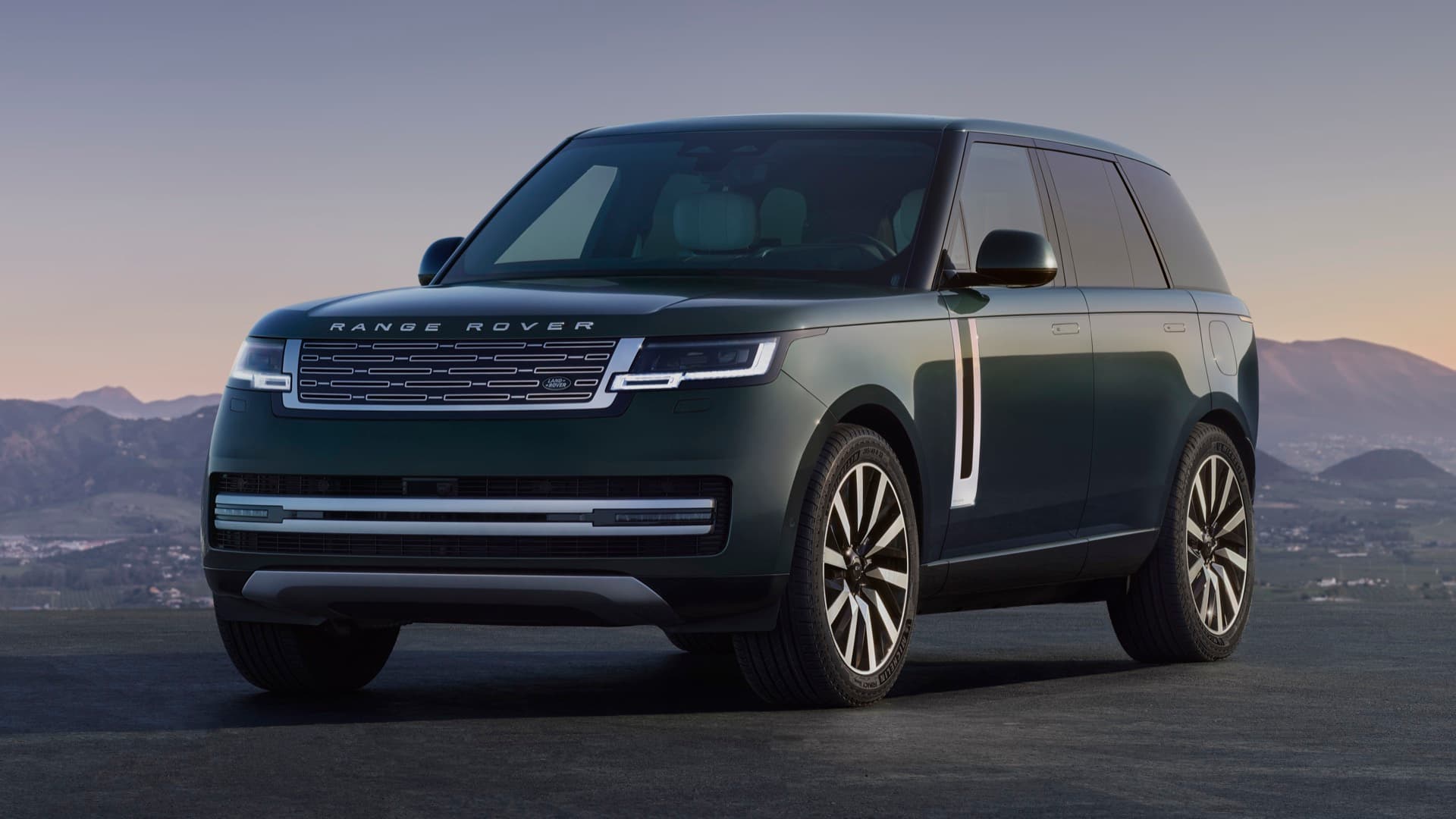
Range Rover has presented the first fully electric version of its flagship model. The SUV keeps the MLA-Flex platform of the current generation, but receives two electric motors, a 118.5 kWh battery and an 800 V architecture. Official range reaches 599 km WLTP, and rapid charging from 10 to 80% is quoted in 22 minutes.
The manufacturer has not yet published prices and delivery dates for Romania. In the United Kingdom, the Autobiography configuration starts at £154,070, a figure that cannot be transposed directly into a local price because equipment and taxes differ.
Two motors and 550 hp
The powertrain develops 550 hp, and 0-100 km/h acceleration is declared in 4.5 seconds. Each axle has its own motor, and power is managed so the system can adjust torque precisely between the wheels on low-grip surfaces.
Range Rover uses two identical permanent-magnet motors. According to Top Gear, JLR changed the technical solution during development after the initial layout, with an induction motor on the front axle, failed to meet cooling requirements in sand-dune tests. The change delayed the project by more than a year.
118.5 kWh battery and up to 599 km WLTP
The battery has a total capacity of 118.5 kWh and offers up to 599 km in the WLTP cycle. It is integrated into the floor in a cell-to-pack construction, without classic intermediate modules. The solution can increase energy density, but it means interventions on the pack require specialised service.
For real use, the WLTP figure should be treated as a homologation result. Range will vary with temperature, speed, tyres, terrain, vehicle load and climate-control use. An SUV of a Range Rover's size and mass will consume considerably more on the motorway or in winter than in the standardised test.
350 kW charging and 22 kW AC supply
The 800 V architecture allows a maximum DC charging power of 350 kW. Range Rover quotes 22 minutes for charging from 10% to 80%. The car can also use 400 V stations with power below 150 kW, through a charging system with a split battery pack.
The onboard charger accepts up to 22 kW on three-phase alternating current. The model has two charging ports, one on each rear side: one for AC and one that accepts both AC and DC.
Off-road capability retained
The electric version has ground clearance 18 mm lower than the combustion equivalents, but it keeps the ability to wade through water up to 900 mm. The air suspension can raise the body by an extra 60 mm when the system detects approaching buoyancy.
Range Rover says the model can climb a 45-degree slope if it does not stop, and can restart on a 33-degree slope. Fine control of electric torque can help on slippery ground, but actual performance depends on tyres, surface and driver experience.
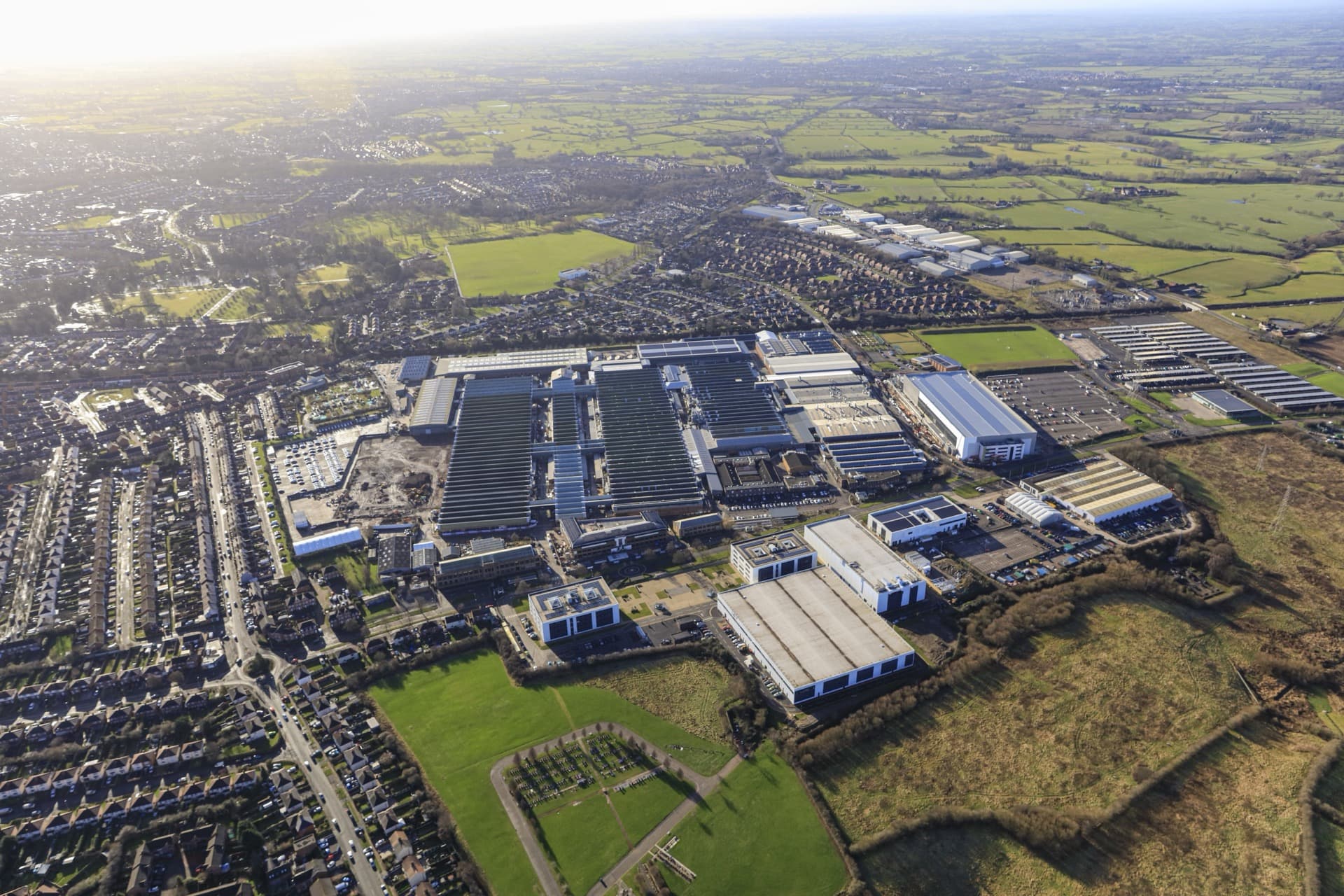
The MLA-Flex platform was designed for combustion, plug-in hybrid and electric powertrains. All three variants can be produced on the same line at the Solihull plant in the United Kingdom. For JLR, that offers flexibility if demand for each type of propulsion changes.
What is known about the Romanian launch
The presentation confirms the model's basic specifications, but not the final equipment list or prices for the Romanian market. The local calendar, available configurations and battery-warranty conditions will need to be confirmed by Land Rover Romania before orders open.