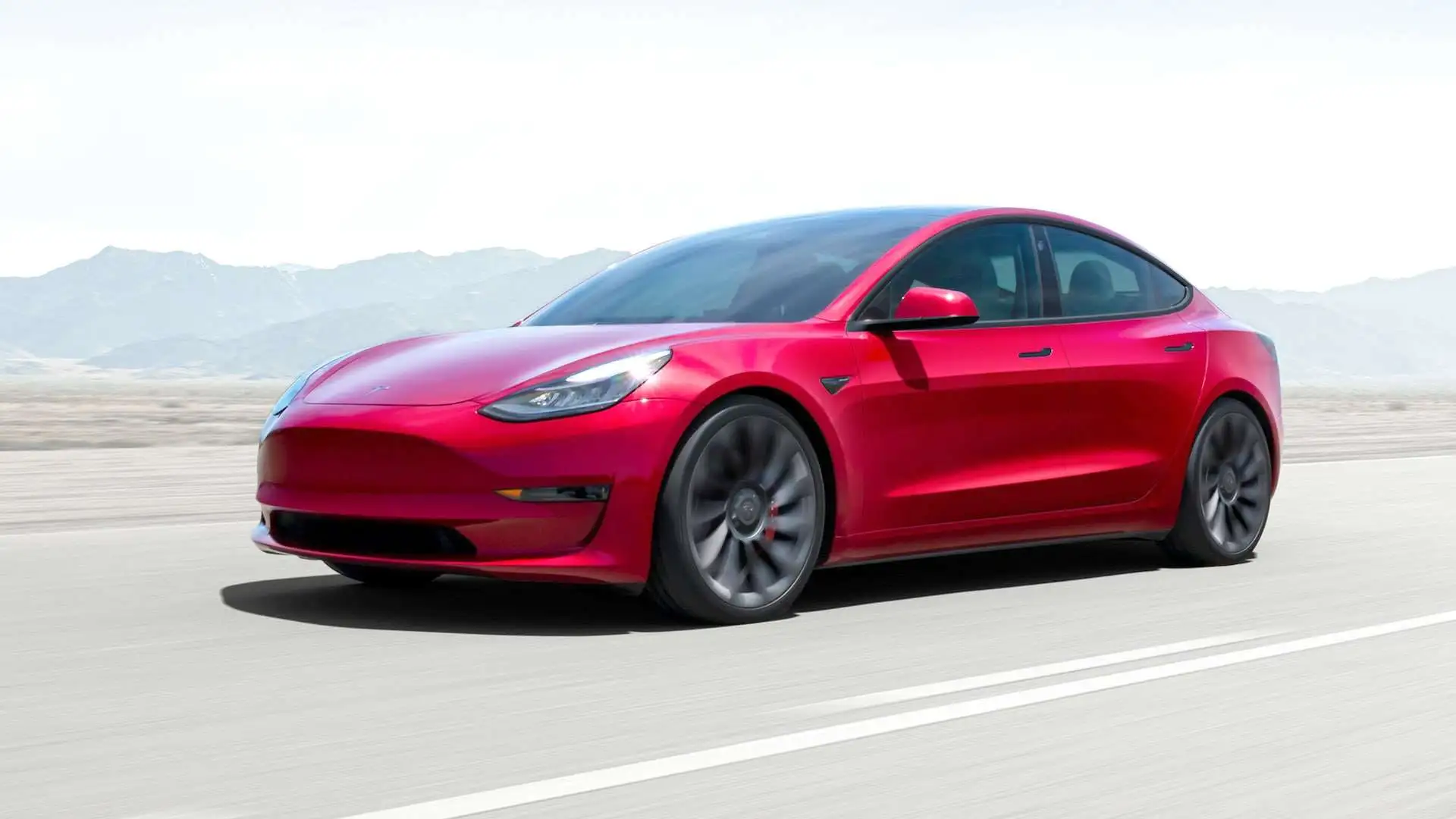
Tesla is introducing in FSD (Supervised) 14.3.9 a function that can intervene even if the driver is driving manually. Called Automatic Collision Evasion, it can temporarily activate the FSD system to control steering, braking and acceleration when a collision appears imminent or when the car detects that the driver is not watching the road enough.
The function appeared in software updates 2026.27.5 and 2026.27.6 for cars equipped with AI4-generation hardware. The rollout began in North America, and availability in Europe, including Romania, depends on regulatory approvals for FSD Supervised.
How the car intervenes during manual driving
Automatic Collision Evasion is not presented as an extra autonomous-driving mode. It is a safety system that uses FSD capabilities only in limit situations, after the car estimates that automatic braking alone would not be enough.
In the first scenario described in the update documentation, the system can intervene if it detects an imminent frontal collision on a limited-access road. At speeds below about 137 km/h, the car can brake, steer to avoid the obstacle, change lane or use the hard shoulder, if no pedestrians or cyclists are detected nearby.
The second scenario concerns driver inattention or accidental deactivation of FSD. Between about 36 and 137 km/h, the car can reactivate the system and try to continue moving safely.
The 2026.27.5 release notes state that the function activates FSD Supervised to protect the car and then continue the journey. The wording matters: the intervention is not limited to a short brake, but can execute a complete avoidance manoeuvre.
The driver remains responsible
During the intervention, pressing the accelerator is ignored. The brake pedal can increase deceleration, but does not automatically cancel the manoeuvre. The driver can take over steering by applying firm force to the wheel.
Tesla stresses that FSD remains a supervised system. Tesla’s official support page says explicitly that the available functions do not make the car autonomous and do not replace the driver’s active supervision.
For Automatic Collision Evasion to work in the announced configuration, the car must be compatible with FSD Supervised, and the owner must have access to the package and have activated it in the vehicle menu. It is therefore not a universal extension of automatic emergency braking offered on all Tesla cars.
What it means for drivers in Romania
The new function should not be confused with the collision-avoidance systems currently available on Tesla cars in Romania. FSD Supervised does not have the same commercial and operational availability in Europe as in North America, and Tesla notes that activation of the functions depends on technical development and approval by the authorities in each jurisdiction.
Romanian owners should therefore not expect the update described in the United States to activate the same manoeuvres immediately on their cars. Even after a possible European launch, the conditions of use, compatible roads and speed limits may be adapted to local rules.
Automatic Collision Evasion nevertheless marks an important change in how Tesla uses FSD software: the system no longer always waits to be switched on by the driver, but can become a temporary safety net during manual driving. Real effectiveness will be assessable after the fleet expands and data on interventions and incidents are published.
Source of the initial information: Motor1.