
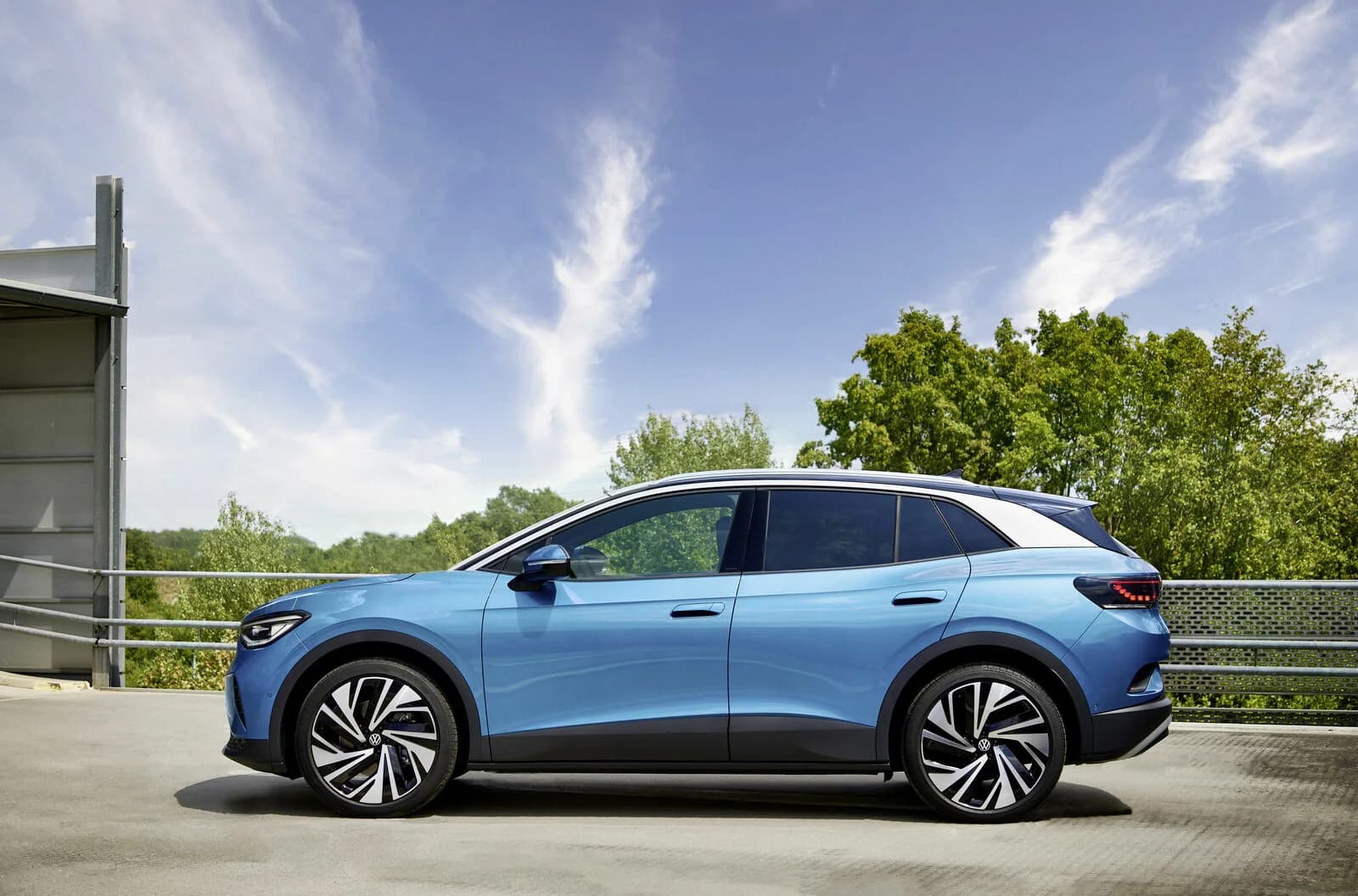
Volkswagen Group of America has filed a new safety recall for an estimated 22,524 ID.4 electric SUVs from model years 2023 through 2026. NHTSA campaign 26V630, Volkswagen campaign 93EX, concerns a possible high-voltage battery failure that could lead to a vehicle fire. Until a repair is available, Volkswagen advises affected owners to limit the vehicle’s maximum charge to 80 per cent.
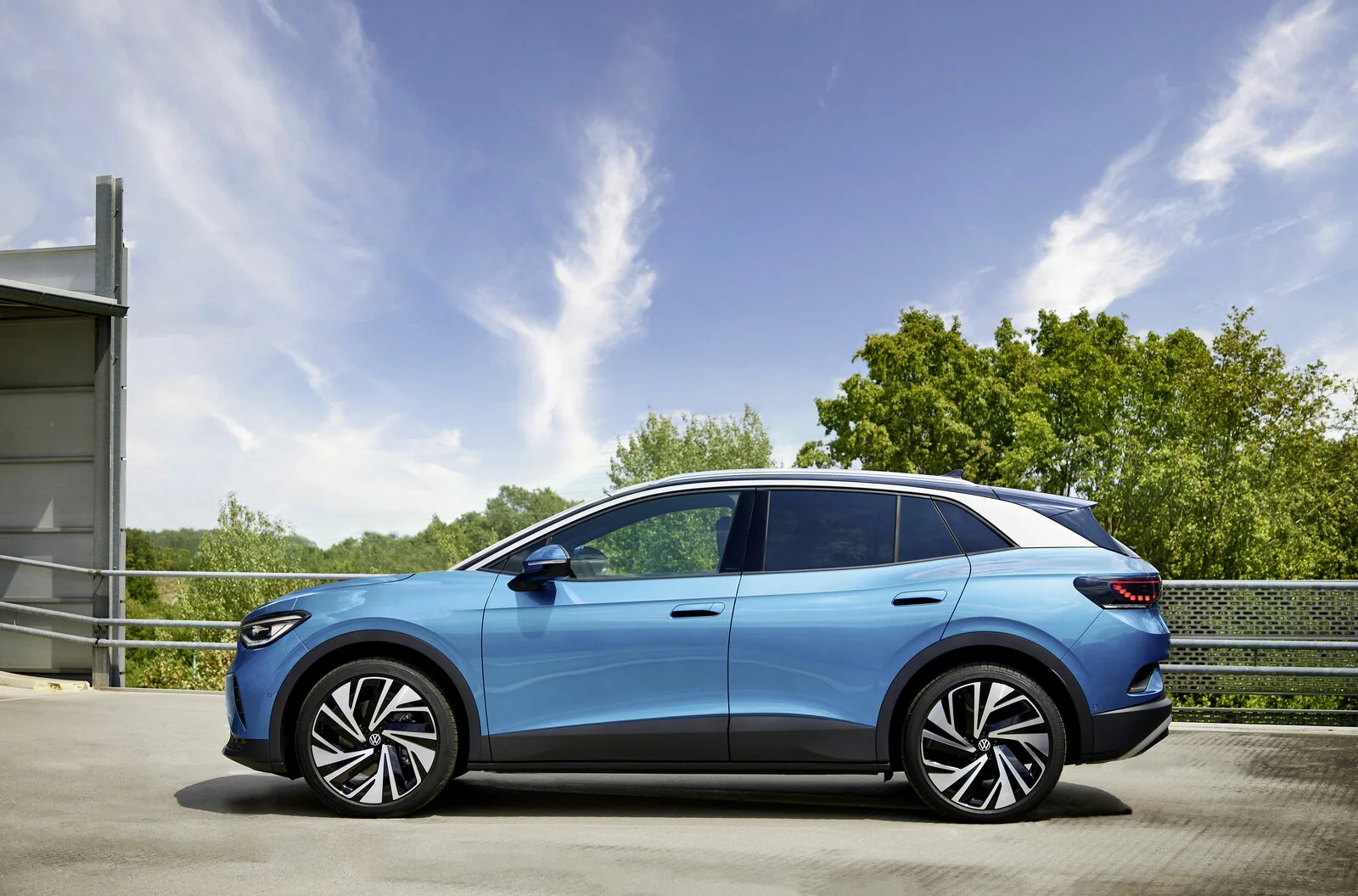
Official Volkswagen Newsroom image. Copyright Volkswagen AG; editorial use is permitted by the source’s image record.
The recall applies to specific vehicles, not automatically to every ID.4 from the listed model years. NHTSA’s filing identifies a production range from 1 January 2023 to 1 February 2025 and says owners should confirm coverage by VIN. The number 22,524 is the estimated population potentially affected by the campaign, not a count of confirmed battery failures.
What the official recall says
The NHTSA filing identifies the affected component as the high-voltage traction battery. Its problem description says the battery may fail and lead to a vehicle fire. That wording describes a safety risk; it does not mean that every vehicle in the population has a failed module or that every ID.4 will catch fire.
NHTSA’s published campaign information does not mark the recall with a general “do not drive” or “park outside” instruction. The temporary measure that Volkswagen has announced is different: set the maximum battery charge to 80 per cent until the repair is completed. Owners should follow the letter issued for their vehicle and use the VIN lookup rather than applying the campaign to every ID.4 by default.
Volkswagen says the remedy is still under development. Interim owner letters explaining the safety risk and the charging limit are expected to be mailed on 27 November 2026. Further letters will be sent when a repair is available. This means the initial notification and the final repair campaign are separate stages, and a vehicle may remain open in the recall database after the first letter arrives.
Which vehicles are covered
Campaign 26V630 names the 2023, 2024, 2025 and 2026 model years of the Volkswagen ID.4. NHTSA’s filing gives the estimated number of potentially affected vehicles as 22,524 and identifies Volkswagen’s internal campaign number as 93EX. The applicable vehicle population is defined by VIN and production details, not only by the model year printed in registration documents.
Owners can use the official NHTSA recall lookup with the vehicle’s 17-character VIN. A model-year search is useful for general information, but a VIN result is the relevant confirmation for an individual car. The same applies to a used ID.4: a seller’s statement that a vehicle is “not affected” should be checked against the official record or with an authorised Volkswagen dealer.
The recall information is US-specific. Transport Canada has published a separate recall alert covering certain 2023–2025 ID.4s, with a similar instruction to limit charging to 80 per cent until repairs are complete. That Canadian campaign carries Transport Canada ID 2026469 and was updated on 9 October 2026. It should not be presented as a European recall without a local authority or Volkswagen market notice.
What the 80 per cent limit means
The 80 per cent setting is a temporary risk-reduction measure. It does not repair the battery, certify that the vehicle is safe, or identify the affected module. It reduces the maximum stored charge available for a journey and can therefore reduce the distance available after a full charge. The exact range difference depends on battery size, weather, speed, tyres, load and cabin heating or cooling.
For daily driving, an owner may need to plan an additional charging stop or leave with less reserve than before. On a long trip, the driver should not assume that a single 80 per cent charge will provide the same motorway range as a previous 100 per cent charge. The manufacturer has not provided a universal kilometre reduction because ID.4 versions have different batteries and consumption figures.
If a driver notices smoke, a burning smell, unusual battery warnings or another immediate safety symptom, the vehicle should be stopped in a safe location and Volkswagen or emergency services should be contacted as appropriate. That is a response to a symptom, not a replacement for the official campaign instruction. The regulator has not ordered every affected vehicle to be parked outside under 26V630.
Earlier ID.4 battery recalls are separate campaigns
The ID.4 has also appeared in earlier North American battery recalls. NHTSA campaign 26V030, filed in January 2026, covers certain 2023–2025 vehicles where the high-voltage battery may overheat; the remedy includes software and battery-module work when required by the inspection. Campaign 26V028 covers certain 2023–2024 vehicles whose battery cell modules may contain misaligned electrodes.
Those campaigns have different NHTSA numbers, Volkswagen codes, affected populations and remedy descriptions. Completion of an earlier repair should not be assumed to close campaign 93EX. Owners should check the VIN again whenever a new letter or campaign number appears.
What European owners should do
NHTSA campaign 26V630 is a filing by Volkswagen Group of America for vehicles managed in the United States. A European ID.4 may use a different battery supplier, production site, specification or production period. The Transport Canada notice confirms that a related high-voltage battery concern is being handled separately in Canada, but it does not establish the status of every European vehicle.
Owners in Germany, Romania or another European market should contact the local Volkswagen service network with the VIN and check the manufacturer’s recall system. Importing the US recommendation into Europe without checking the local record could create confusion, while ignoring a local notice would be unsafe. Recall repairs are normally carried out without charge when the campaign applies to the vehicle.
At the time of publication, the confirmed facts are the US population estimate, the 80 per cent interim charging advice and the absence of a finished remedy. The next practical step for an owner is a VIN check and a scheduled dealer visit once Volkswagen announces the repair. Replacing battery parts privately is not an appropriate substitute for the official recall process.


