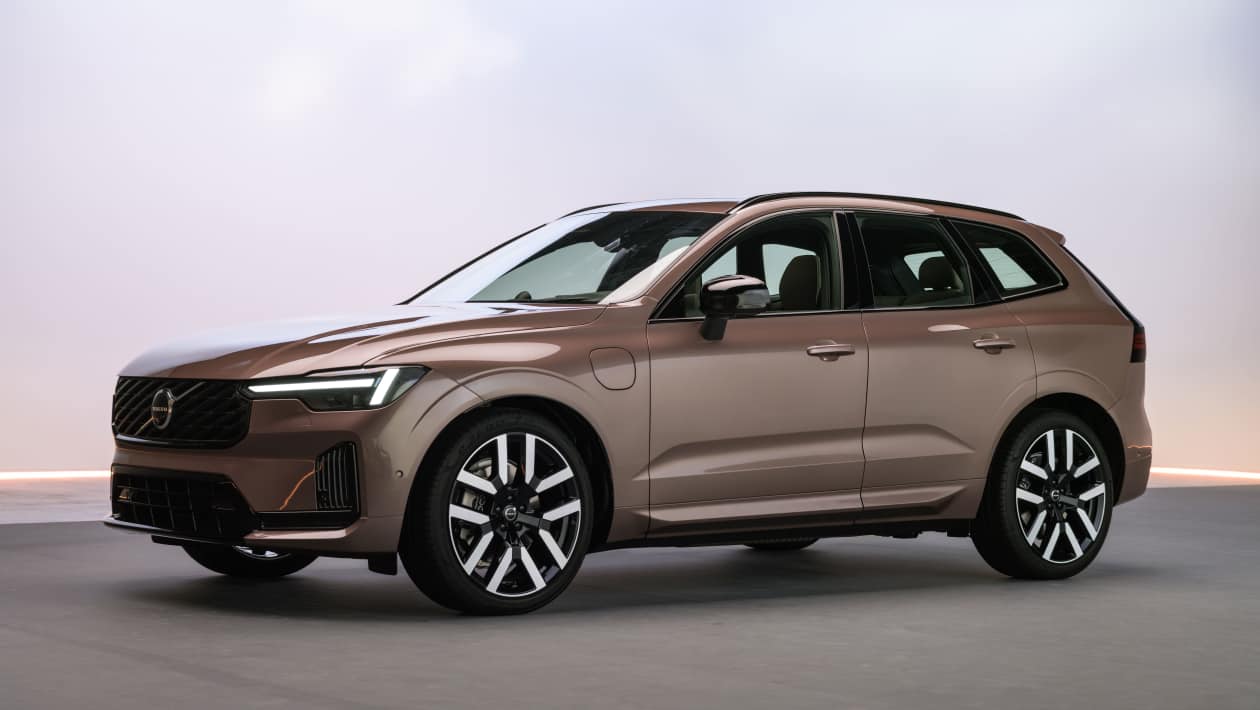
The Volvo XC60 receives a plug-in hybrid system with a 41.2 kWh battery and a claimed electric range of up to about 200 km. The update also brings design changes, while the XC90 will use the same hybrid technology, with an electric range of around 160 km, according to information published by Auto Express.
The two SUVs are scheduled to go on sale before the end of 2026. Prices for the new versions and the commercial timetable for Romania are not specified in the announcement.
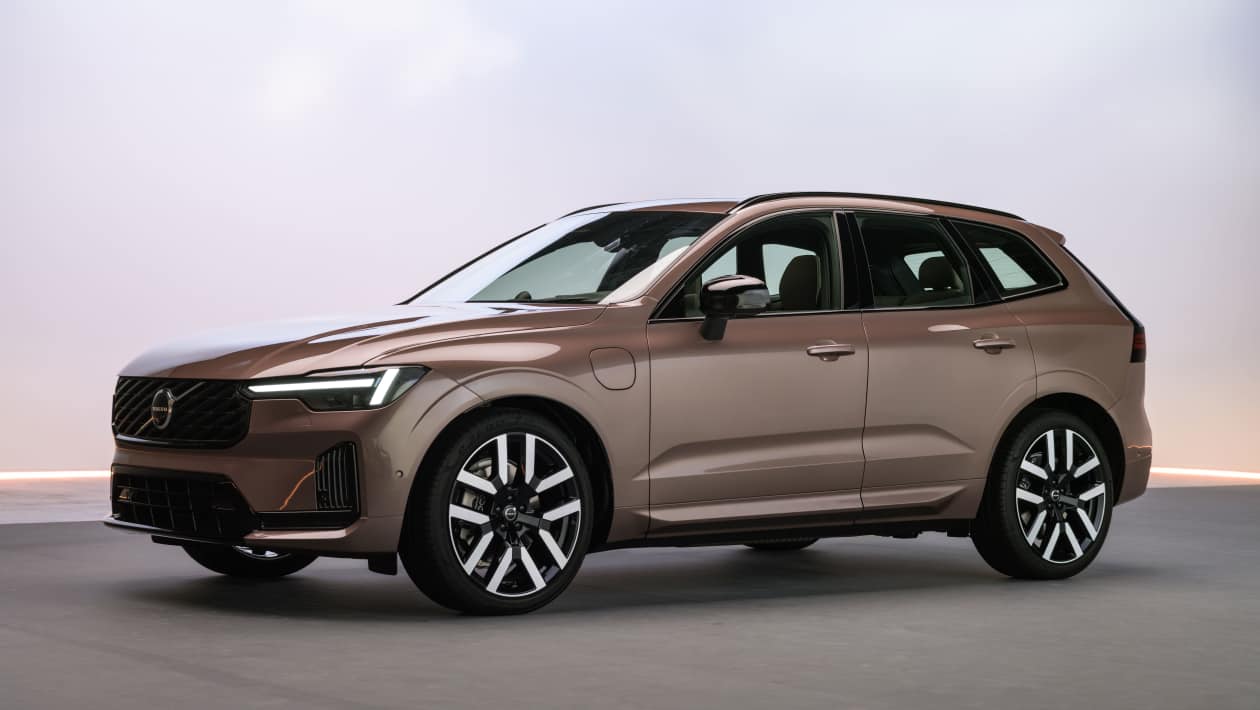
Photo: Volvo, via Auto Express.
41.2 kWh battery, but no DC fast charging
Of the 41.2 kWh total capacity, 37.9 kWh is usable. The pack has more than double the capacity of the previous one, and Volvo says placing it under the floor does not bring a further reduction in luggage space.
The range of up to 200 km is the maximum figure communicated for the XC60, not the result of an independent test. The distance actually covered without the petrol engine will depend on temperature, speed and the electrical loads in use.
Volvo indicates about four hours for a full charge on a home wallbox. The new XC60 and XC90 PHEV do not, however, receive DC fast charging. For a battery with almost 38 kWh usable, that is a practical limitation: the large electric range has to be recovered through AC charging, not a short stop at a motorway rapid charger.
T6 and T8 keep the 2.0-litre petrol engine
The system combines an electric motor of about 180 hp and 390 Nm with a turbocharged 2.0-litre four-cylinder petrol engine. Combined output is about 356 hp for the T6 long-range PHEV and 462 hp for the T8 long-range PHEV, after converting the figures published by Auto Express into metric horsepower.
T6 will be available only on the XC60. T8 will equip both the XC60 and the XC90. The combustion engine can contribute to driving the car; it is not a system in which petrol is used solely to generate electricity.
All versions have an eight-speed automatic gearbox and all-wheel drive. For the XC60, acceleration from 0 to 100 km/h is quoted at a minimum of 4.8 seconds, and for the XC90 at 5.2 seconds. The B5 petrol mild-hybrid powertrain also remains in the range.
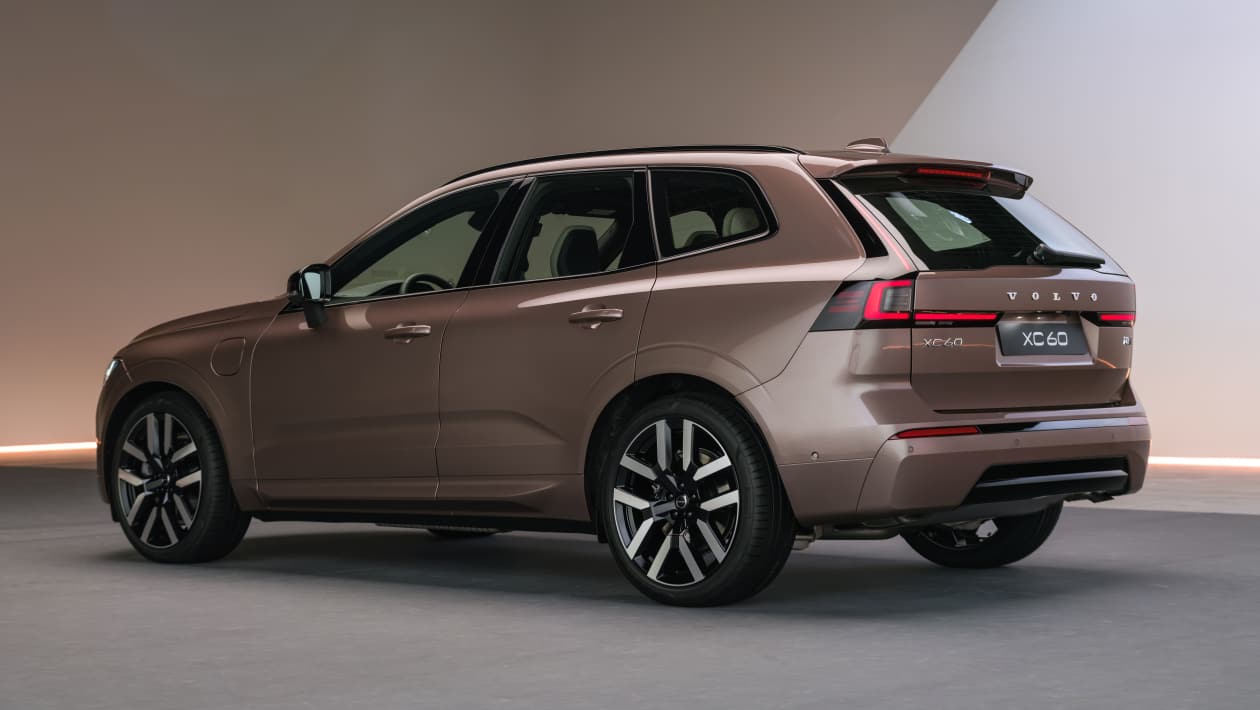
Photo: Volvo, via Auto Express.
XC60 gets a redesigned front end
Although the XC60 had already been updated in 2025, the new intervention changes the bonnet, front wings, bumper and grille. The Matrix LED headlights are narrower, with a revised interpretation of the “Thor's Hammer” light signature.
At the rear there are changes to the tailgate, tail lights and bumper. The list of new items includes 20-inch wheels with an aerodynamic design and Heather Bronze metallic paint.
The XC90 receives the new hybrid system, but not the same extent of body and cabin changes announced for the XC60.
11.2-inch screen and Google Gemini inside
In the XC60, the vertical centre screen has an 11.2-inch diagonal and uses the latest Volvo interface. It is designed so functions can be reached with fewer taps, and the multimedia system integrates Google Gemini. The assistant also arrives on the XC90.
Volvo is revising the dashboard and door panels. Finish options include wood inserts and Nappa Cardamom upholstery, available with ventilated seats, along with indirect ambient lighting.
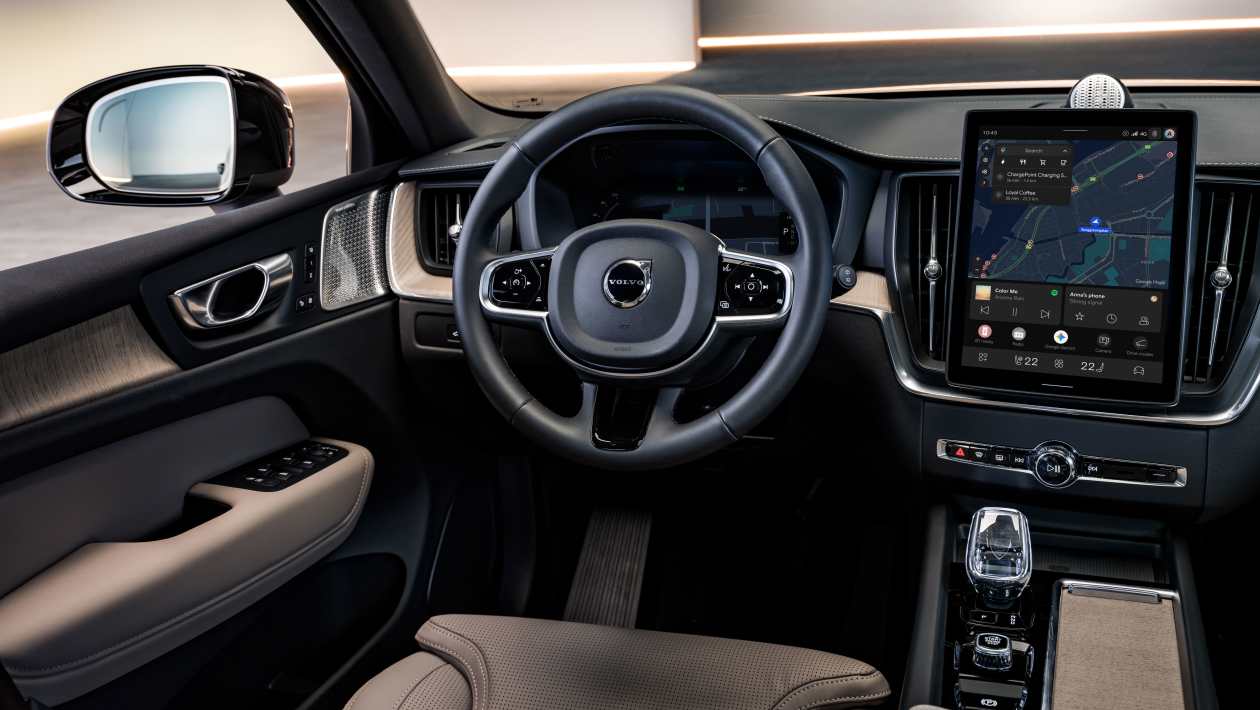
Photo: Volvo, via Auto Express.
Updates are also announced for the radars, cameras and sensors used by the assistance systems. Functions mentioned include automatic emergency braking, lane-change assist and 360-degree cameras; the exact equipment for each version will have to be checked in the local offer.
For buyers in Romania, the difference versus the old XC60 PHEV will be first and foremost the much larger battery. Anyone looking at the new version should explicitly check the T6 or T8 “long-range” designation, battery capacity and delivery date, so as not to confuse it with stock cars fitted with the previous system.