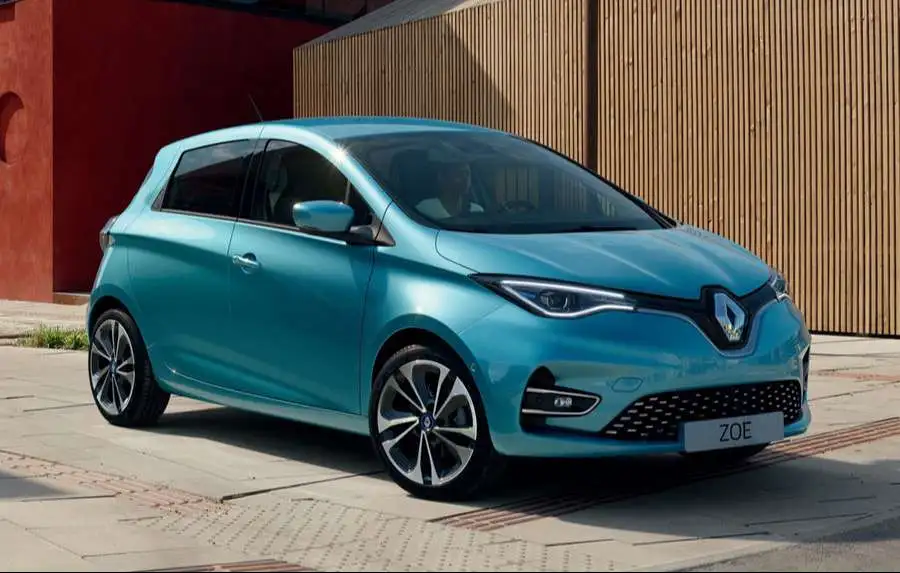
Behind the wheel, Renault Zoe feels like a conventional supermini with a combustion engine—only much quieter. It suits families looking for a second car for short trips and daily errands, remains reasonably practical, offers range close to 390 km, and costs very little to run.
After more than a decade on showroom floors, however, and with fresh, faster rivals multiplying, Renault Zoe is no longer a class leader—it simply hangs on. It is not as cheap as it once was either, and the zero-star rating from industry safety tester Euro NCAP makes it harder to recommend.
Renault Zoe was one of the world’s first affordable electric cars, launched in 2012, just two years after the Nissan Leaf reached the road. Since then we have had two generations of the bubble-shaped supermini, which for a long time was Renault’s only battery-electric car. That changed in 2022 with the Renault Megane E-Tech hatchback, and more Renault EVs were set to follow, including the reborn Renault 5.
The small electric car market exploded after Zoe arrived, so competition is thick. Its closest rivals are other zero-emission superminis such as the Peugeot e-208, Opel Corsa Electric and Ora Funky Cat, with similar practicality and range. Zoe still beats them on boot space—338 litres—and on range, quoted at 400 km.
Stylish alternatives such as the Fiat 500, Honda e and MINI Electric will attract buyers who want a clever, sophisticated urban car, but those are city cars first, with limited boot space and range. Some cheaper family electric hatchbacks also challenge Zoe, which counters with more range, sharper looks and more modern tech for less money.
On price, Zoe’s starting figure has risen to nearly €35,000 after, among other things, the government plug-in grant was removed. Trim levels and powertrain choices were also trimmed recently. Zoe was previously offered with two outputs for its single front-mounted motor: R110 with 107 hp or R135 with 134 hp; only the stronger version remains.
Buyers choose between Techno and Iconic trims; the main difference is that more expensive Iconic models get 50 kW fast charging and 17-inch alloy wheels as standard. Even entry-level Zoe is well equipped: LED headlights and tail lights, a 10-inch instrument panel and a portrait 9.3-inch touchscreen running Renault’s EasyLink infotainment with built-in satellite navigation plus Apple CarPlay and Android Auto.
Zoe also has blind-spot monitoring, front and rear parking sensors and a reversing camera. It lacks some essential airbags, however, which is part of why it received a zero-star Euro NCAP score in 2021.